An extraordinary internal confrontation has taken place following a large scale educational delegation to the historic city Hebron, exposing a deep theological rift regarding the integration of modern nationalist ideals into traditional spiritual networks. According to community reports, a prominent spiritual director affiliated with an influential educational academy issued a private but exceptionally firm warning to his peers, asserting that traditional religious law actively restricts residential settlement inside the ancient enclave. The quiet reprimand highlights an ongoing, systemic struggle among cultural leaders to insulate the younger generation from outside political philosophies.
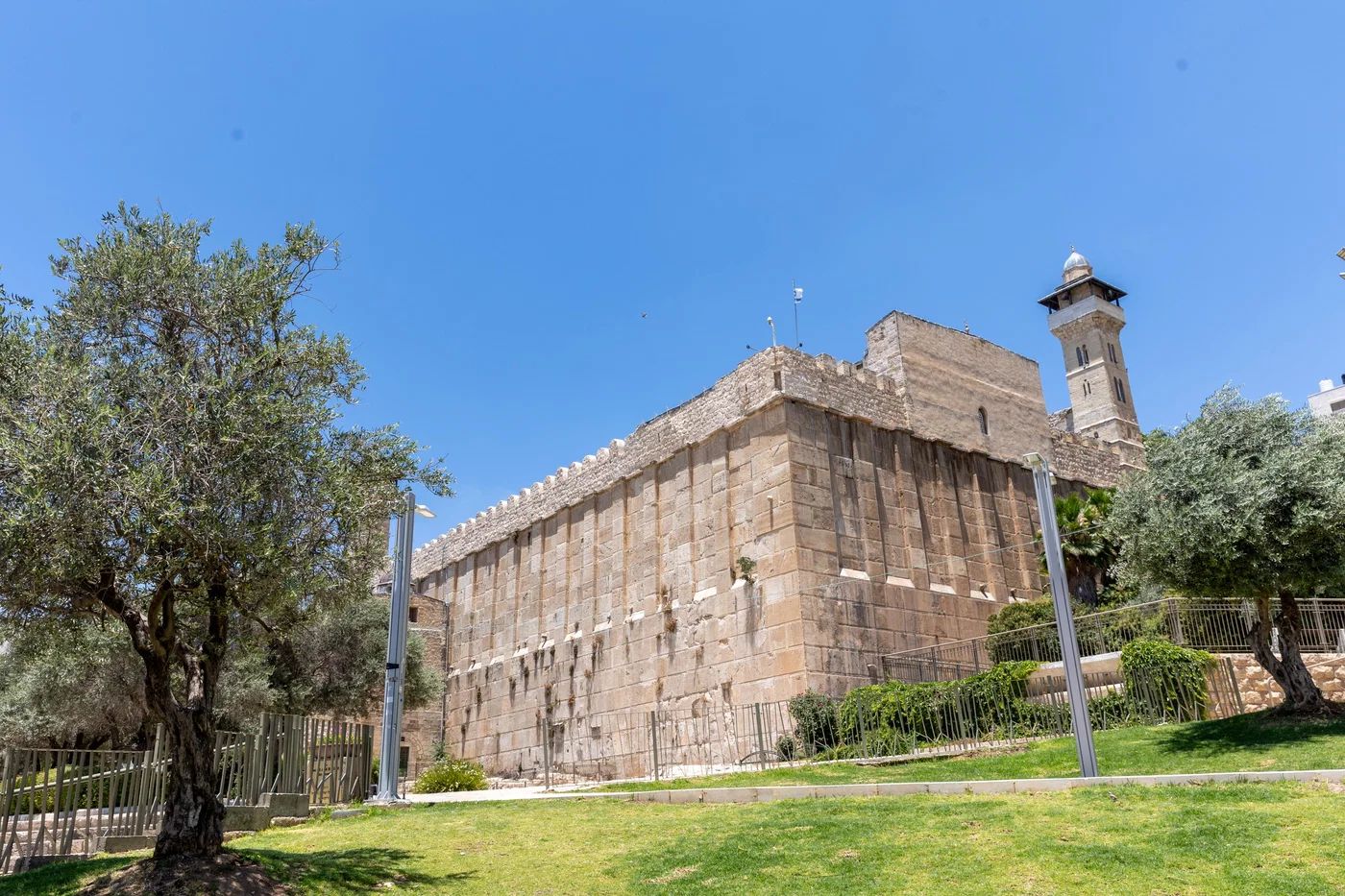
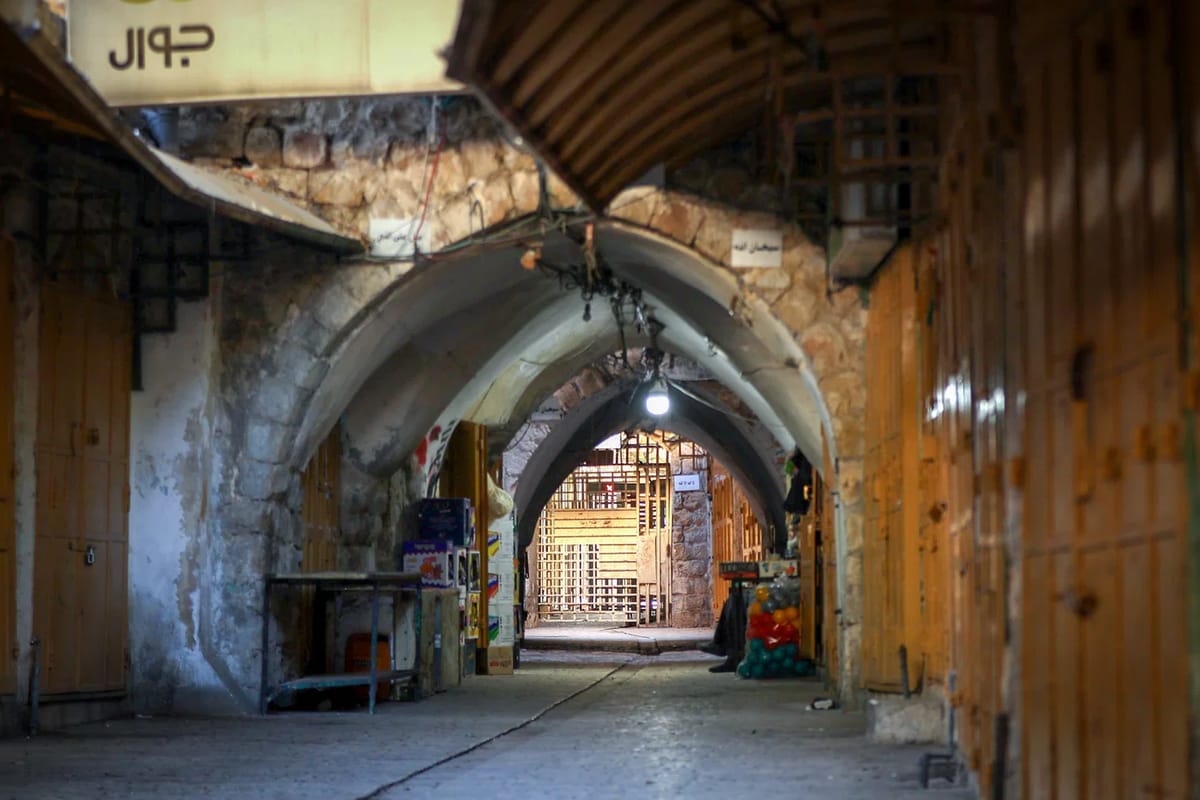
The ideological dispute occurred at the conclusion of a massive heritage expedition that guided approximately one hundred and fifty traditional instructors through the ancient alleys and sacred landmarks of the historic territory. The intensive tour reached its spiritual pinnacle at the Cave of the Patriarchs, where the massive group assembled to offer communal prayers for individual salvation and national security. The itinerary also included detailed visits to the resting places of biblical figures, including the tombs of Jesse and Ruth, alongside the historical burial grounds of prominent medieval sages.
The operational dynamics of the tour were managed by a respected community historian who provided detailed lectures tracing the extensive narrative of the city from antiquity through the monarchical eras and into the modern period. However, significant internal friction arose when the guide highlighted contemporary historical milestones, specifically recounting the pivotal actions of community members who re established a permanent presence in the area during the mid nineteen seventies. The inclusion of modern political narratives caused several visiting educators to openly question the historical equivalence being drawn between contemporary figures and ancient biblical personalities.
The climax of the internal dispute focused heavily on a famous historical quote invoking the purchasing of the city through personal sacrifice, a concept that traditional purists found difficult to accept at face value. Following the conclusion of the event, the spiritual director pulled the organizers aside to deliver a stern, private caution regarding the educational boundaries of the institution. The administrator insisted that instructors must exercise extreme vigilance to prevent nationalistic pride from penetrating the curriculum, arguing that such concepts threaten to distort the foundational values of the youth.
While the vast majority of the visiting educators expressed deep admiration for the complex historical material presented throughout the journey, the underlying theological tension remains unresolved. The traditional leadership maintains that spiritual connection to holy sites must remain strictly separated from contemporary geopolitical movements. As the community continues to navigate its role within the wider state, this internal dialogue emphasizes the complex societal boundaries that separate historical heritage from modern political activism.