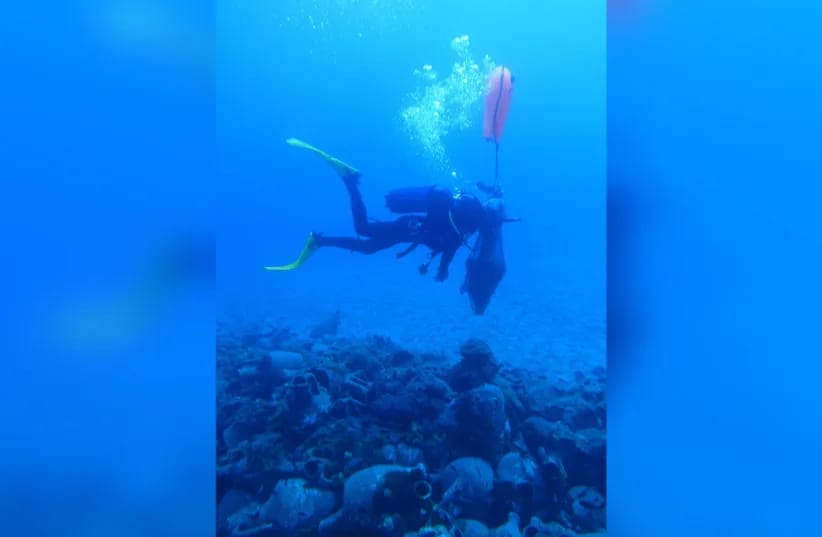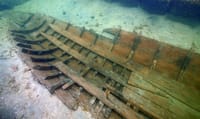
Two ancient merchant vessels that sank centuries apart have been discovered in the depths of the Mediterranean Sea. Alongside the shipwrecks, archaeologists found more than a thousand amphorae, large clay jars used in antiquity to transport wine, oil, and other commodities.
The older of the two ships was located near the Greek island of Andros, at a depth of 39 to 44 meters. Greece's Underwater Antiquities Department investigated the site after a private individual reported spotting archaeological artifacts in the area.
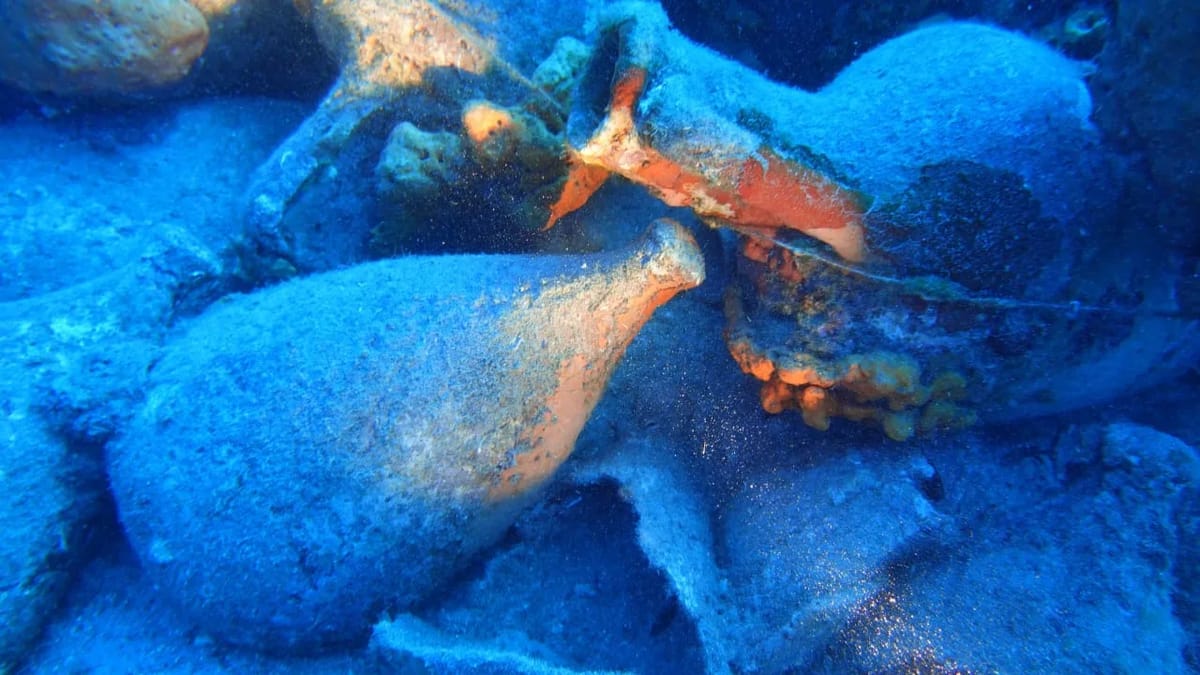
Examination revealed the remains of a merchant ship's cargo dating to the second half of the fifth century or early fourth century BCE. Researchers estimate the cargo includes between 600 and 650 pointed amphorae designed for maritime transport.
The archaeologists identified at least three distinct types of amphorae. Some were produced in the ancient city of Mende, located on the Chalkidiki peninsula, while others originated from the island of Peparethos, known today as Skopelos. The site also yielded amphorae of the type known as "Solocha 2," associated with trade networks stretching from the Black Sea region to Greece.
The presence of multiple storage vessel types in a single cargo may help researchers reconstruct the ship's route, the ports where it docked, and the commercial networks operating across the Aegean Sea approximately 2,400 years ago. One vessel from each of the three amphora types was raised for preservation and study. Alongside the cargo, archaeologists also discovered part of a lead anchor and several stones that likely served to stabilize the ship.