JFEED EXCLUSIVE: It's Time to Talk About Chabad
In good times and bad, on a regular Tuesday and after some of the worst events that the Jewish people have faced in the last fifty years, Chabad shlichim have been there with a smile and a helping hand. How the Rebbe's messengers to the world continue to bring light where there is darkness.

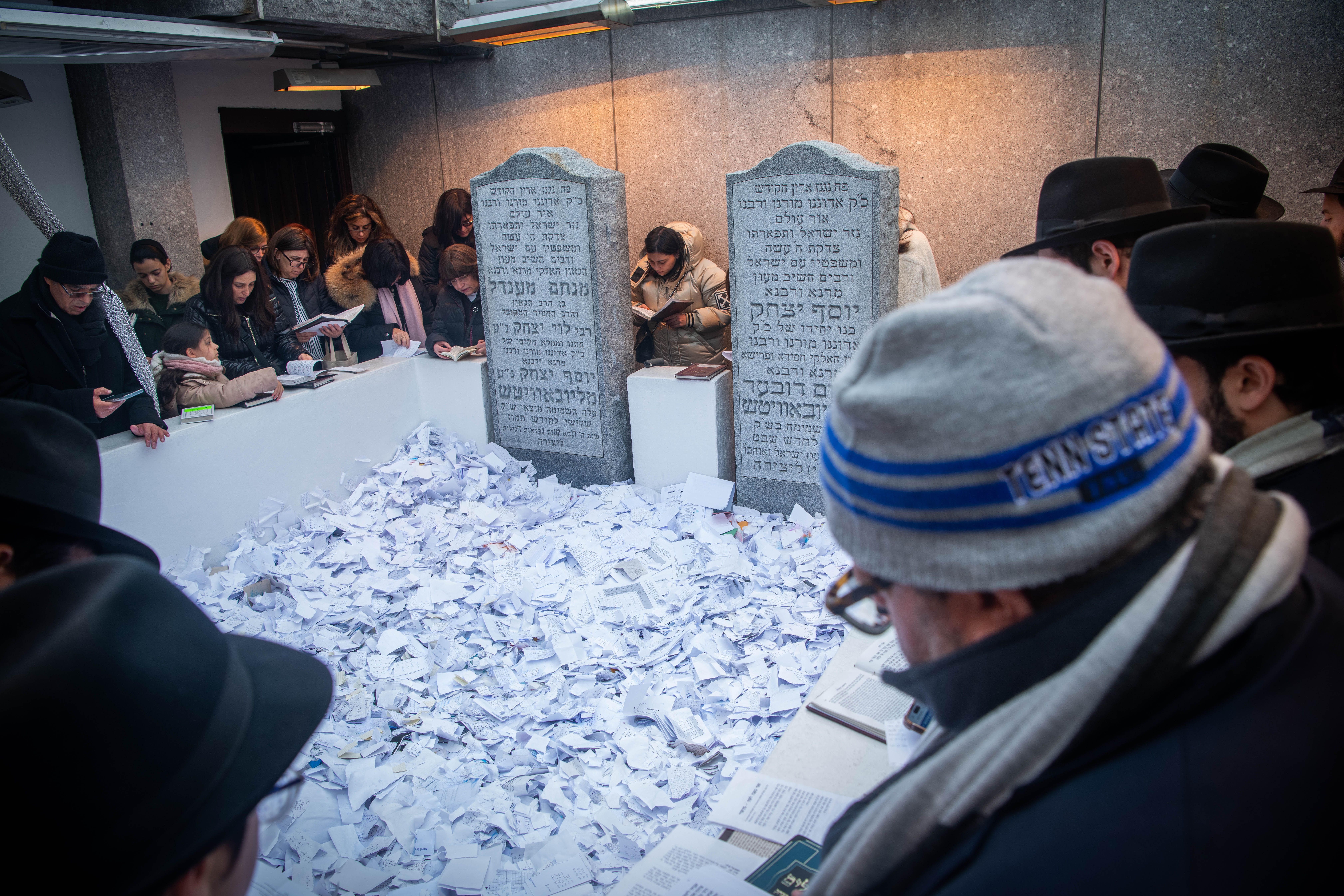
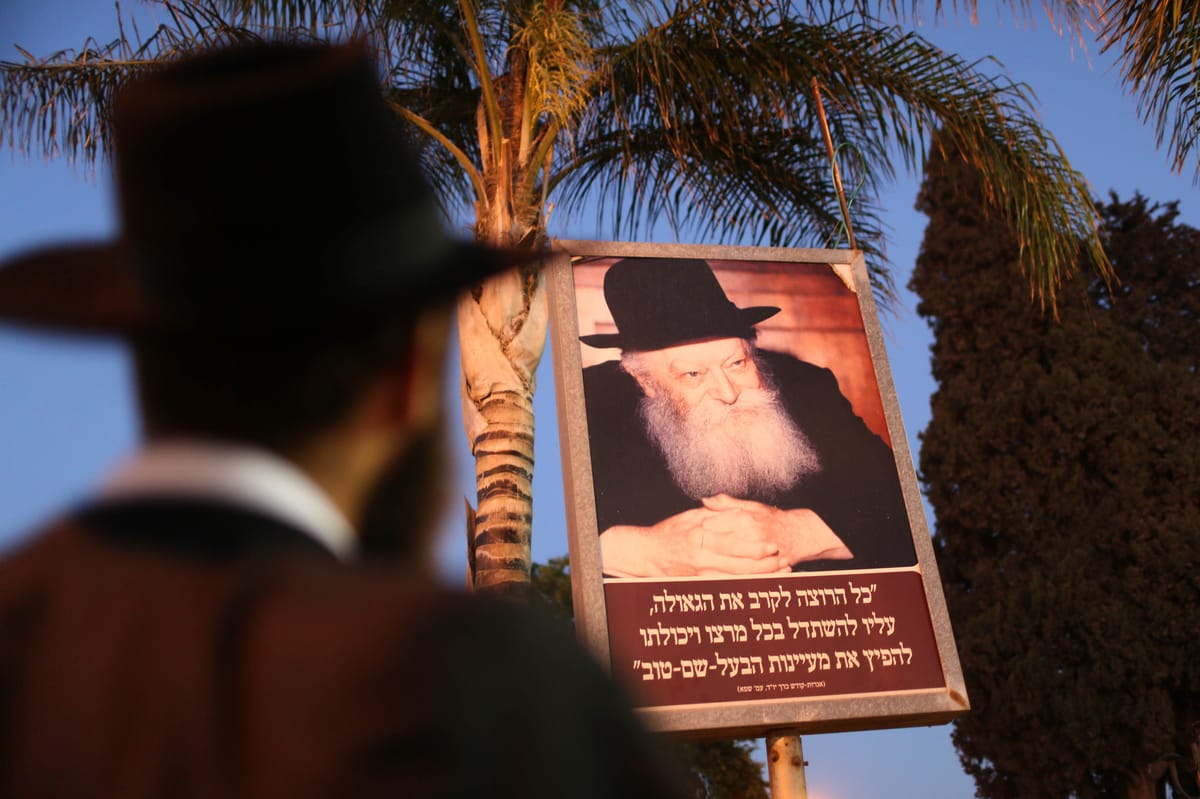
Chabad shlichus is not a slogan or a lifestyle choice. It is a system built around a single, uncompromising premise articulated and enforced by the Lubavitcher Rebbe over decades. Judaism does not retreat. Jews do not get written off. No place on the map is exempt from responsibility.
What began as a modest postwar outreach effort became, under the Rebbe’s leadership, the most expansive Jewish deployment in modern history. Thousands of shlichim were sent, often personally instructed, to cities, suburbs, army bases, college campuses, islands, and countries with little to no existing Jewish infrastructure. The directive was clear and famously blunt. Go where Jews are, or were, or might one day be. Stay there. Build something permanent.
Shlichus was never framed as temporary service. A shaliach is not assigned for a fixed term and then rotated out. He and his family are expected to become the Jewish address for that place, sometimes for life. That expectation reshaped the Jewish world. Today, Chabad operates in global capitals and in towns so small they barely register statistically. There are shlichim in Manhattan and Paris, but also in remote corners of Asia, Africa, South America, and the Pacific. There are shlichim embedded on university campuses, in prisons, in hospitals, and with military units. In Israel, Chabad presence spans everything from major urban centers to development towns to sustained work with IDF soldiers, including on bases far removed from civilian life.
For Rebbetzin Tzipa Wertheimer, a Chabad shlicha serving on an American college campus, the scale of that responsibility still feels surreal. “The Rebbe, in his tremendous chesed, opened a pathway for very regular, flawed people to call themselves shluchim,” she says. “How does someone like me get to say I’m a shliach of the Lubavitcher Rebbe? It still feels like a joke. And yet, that’s the gift.” Shlichus, she explains, is less about aptitude than about surrendering to momentum. “There is no greater experience than being lifted up and schlepped along by something so much bigger than you are.”
The Rebbe understood something many institutions resist acknowledging. Jewish life does not naturally reproduce itself in difficult environments. It requires intentional presence. Shlichus was designed to remove excuses. Distance was not a reason. Numbers were not a reason. Danger was not a reason. If a Jew lived there, or passed through there, then Judaism belonged there too.
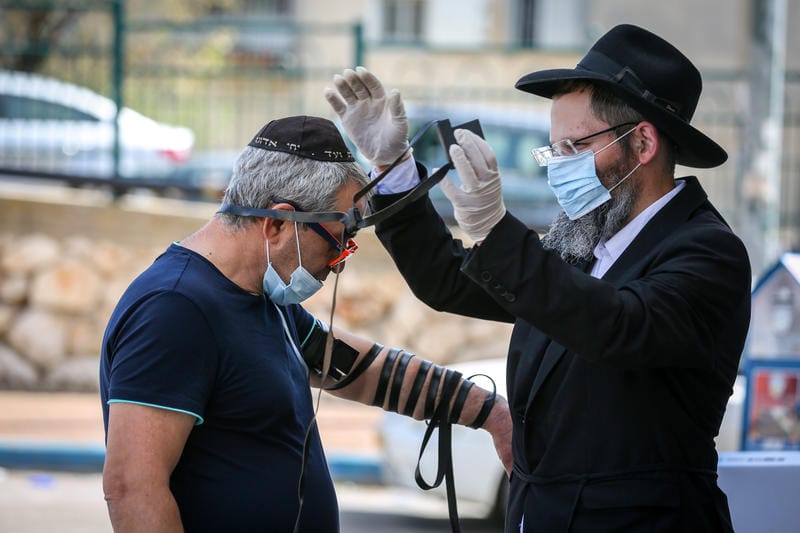
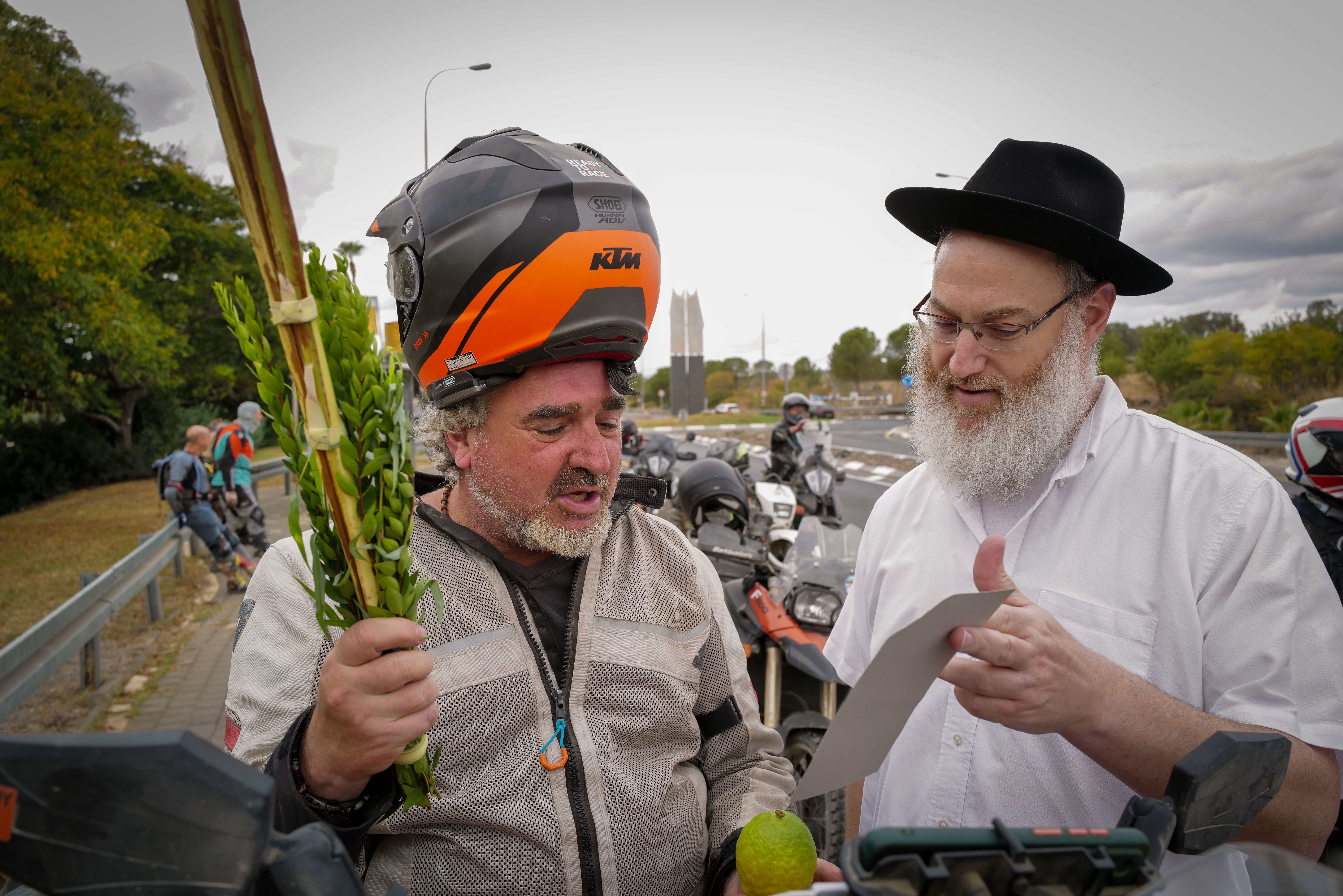
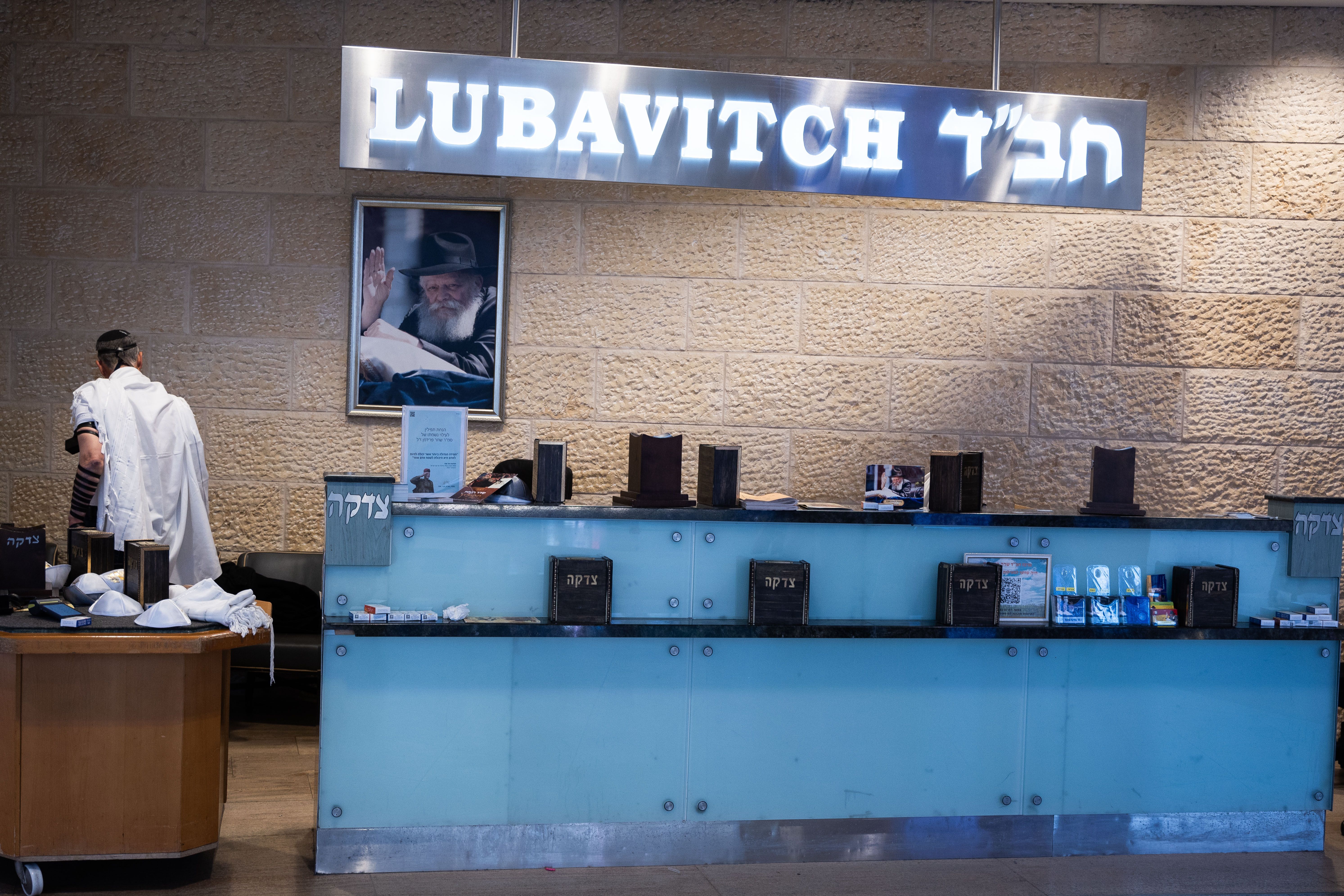
At the heart of this model sits mivtzoim, the Rebbe’s campaign of direct, unapologetic mitzvah engagement. Lighting Shabbat candles in a hotel lobby. Putting tefillin on a student between classes. Handing out matzah on a street corner. These acts were not symbolic gestures. They were tactical. The Rebbe insisted that a single mitzvah could alter a person’s trajectory. Shlichim were not asked to persuade or debate. They were asked to offer.

That insistence on action over abstraction helps explain why Chabad’s response to crisis looks so consistent across geography and time. Shlichus does not distinguish between “routine” and “emergency” modes. The same tools used on an ordinary Tuesday become the tools used after violence, loss, or fear. Jewish life is not paused until conditions improve. It is intensified.
The 2008 terrorist attack on the Chabad House in Mumbai remains one of the clearest illustrations of both the cost and the resolve inherent in shlichus. Rabbi Gavriel and Rivka Holtzberg were murdered because they were visible, accessible Jews serving other Jews. The response from Chabad was not withdrawal. The center was rebuilt. Shlichim remained. Jewish life continued in the same place it had been targeted.
That pattern has repeated itself in the years since, from India to the Gulf to Australia. Following the attack in Sydney, Menachem Lazaroff, whose brother was among the injured shlichim, framed the response in explicitly strategic terms. “We continue by rebuilding,” he said, arguing that attacks on shlichim at far-flung outposts like Mumbai, Dubai, and Bondi demonstrate precisely why shlichus exists.
Lazaroff described shlichim as a defensive line for Jewish life. “We are the bulwark. We are the outposts protecting Jewish life and observance,” he said. In his framing, the metaphor is not poetic but operational. “In a war, an outpost protects the entire front line, and the front lines protect a country.” Retreat, he argued, would not reduce danger but magnify it. “To do anything other than build back stronger would be to hand the terrorists victory.”
That logic played out visibly in Bondi. A tent was erected near the site of the attack for prayer and tefillin, transforming a place of terror into a place of Jewish presence. Inside stood a large photograph of Rabbi Eli Schlanger, described as “murdered in cold blood by terrorists in Sydney,” alongside a declaration that echoed the Rebbe’s worldview in contemporary terms: “In the fight against antisemitism, the way forward is to be more Jewish, act more Jewish, and appear more Jewish.”

For shlichim, this response is not performative. It is instinctive. “A shliach was shot. So we light a public menorah,” Tzipa says. “Somehow, that becomes the obvious response.” The language of light, she acknowledges, risks sounding overused, but she insists it endures because it is functional. “Holding grief and light at the same time, that’s the real work.”
Safety, she adds, is not something shlichim calculate geographically. “Safety doesn’t come from location. It comes from Hashem. And if safety comes from Hashem, then the greatest expression of safety is doing what Hashem wants us to do.”
Part of what makes shlichus durable is its decentralization. The Rebbe built a system that empowered individuals while binding them to a shared mission. Shlichim adapt to wildly different cultures and conditions, but the posture remains constant. Presence over abstraction. Action over fear. Continuity over retreat.

“This isn’t bravery,” Tzipa says. “It’s instinct. When everything else falls away, we do what we’ve always done. We add light.”
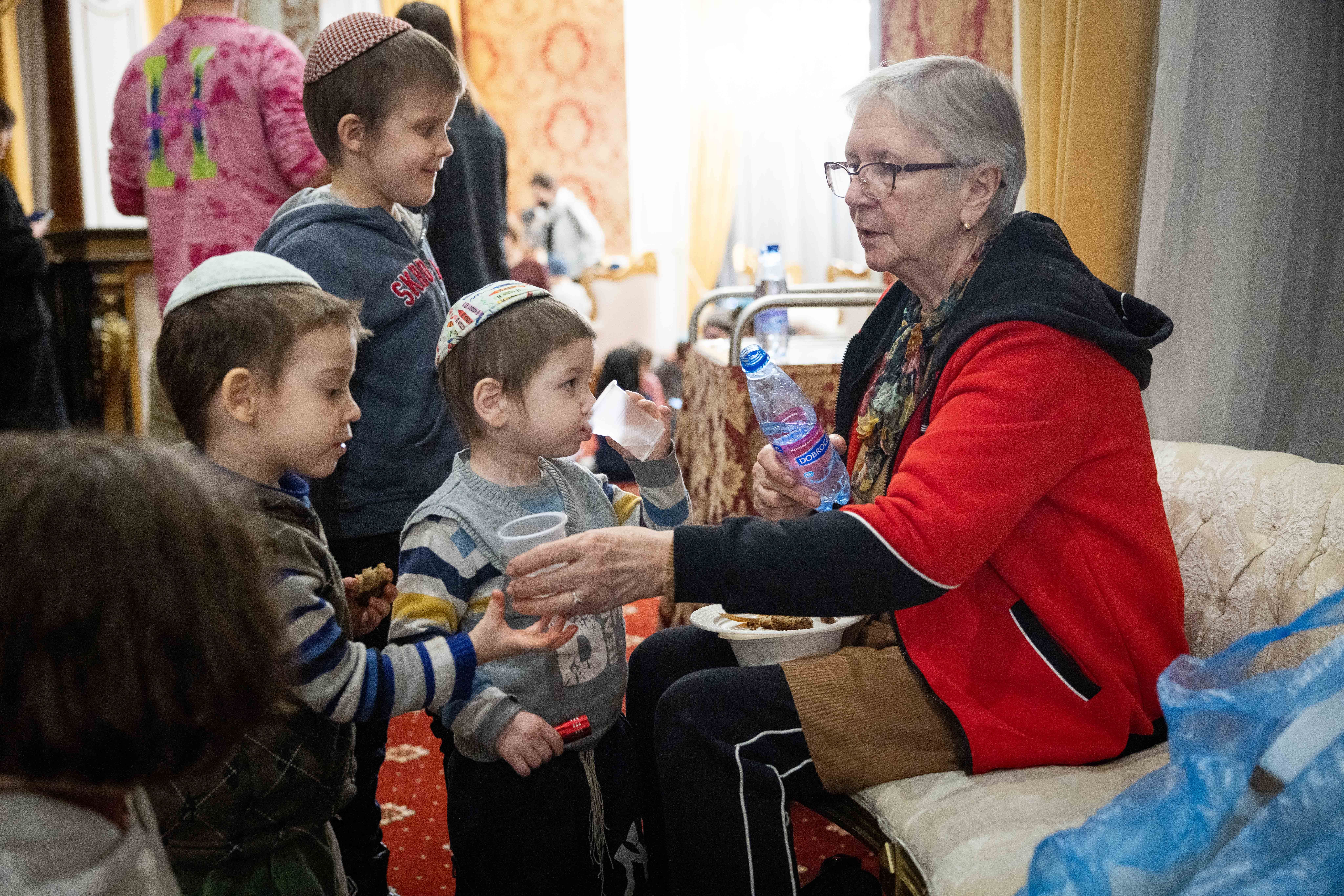
Today, Chabad shlichus functions as an informal global infrastructure for Jewish life. It is often the first place Jews turn in unfamiliar territory and the last institution standing in fragile communities. Its success is not measured in numbers or ideology, but in reliability. Someone answers the phone. Someone opens the door. Someone stays.
That, ultimately, is the Rebbe’s legacy. Not a theory, but a posture toward the world. Judaism does not wait to be invited. It arrives, unpacks, and remains.
With prayers for a complete and swift recovery for Yehudah Leiv ben Mania Lazaroff, a Chabad Shaliach injured saving others on Bondi Beach.