Miraculous

“I Was Supposed to be There”: The Survivor Who Fled the Banks of the Danube and Found His Soul in Art

At 93, artist Yitzhak Pressburger recounts his miraculous survival from the Danube death squads and the Exodus ship. From the horrors of the Holocaust to the elite art academies of Paris, his life stands as a vivid testament to Jewish resilience and the power of faith.

Yitzhak Pressburger
Yitzhak Pressburger

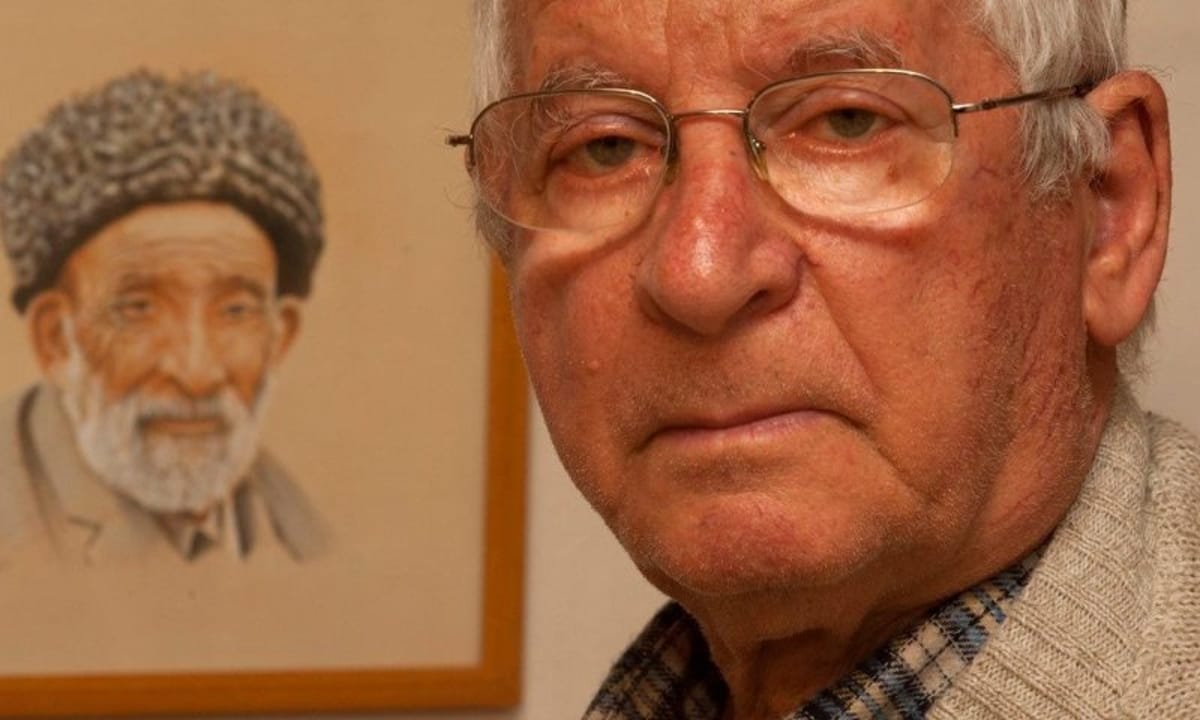
At 93 years old, Yitzhak Pressburger sits in his Jerusalem studio, surrounded by the vibrant colors of a life that was nearly extinguished before it truly began. A survivor of the "Exodus" and the terrors of Budapest, Pressburger is now reflecting on a near-century of survival, art, and an unwavering faith that carried him through the darkest corridors of human history.

The Instinct That Saved a Life

Born in 1933 in Bratislava, Pressburger’s journey toward survival began at age five. His mother, driven by a sharp maternal intuition, sensed an approaching evil and fled with her children to Budapest. During a perilous train ride from Prague, Hungarian police inexplicably skipped their row, failing to check the documents that would have revealed their illegal status.

"God performed a miracle for me," Pressburger recalls. But the reprieve was temporary. By 1943, the Arrow Cross death squads were hunting Jews across the Hungarian capital.
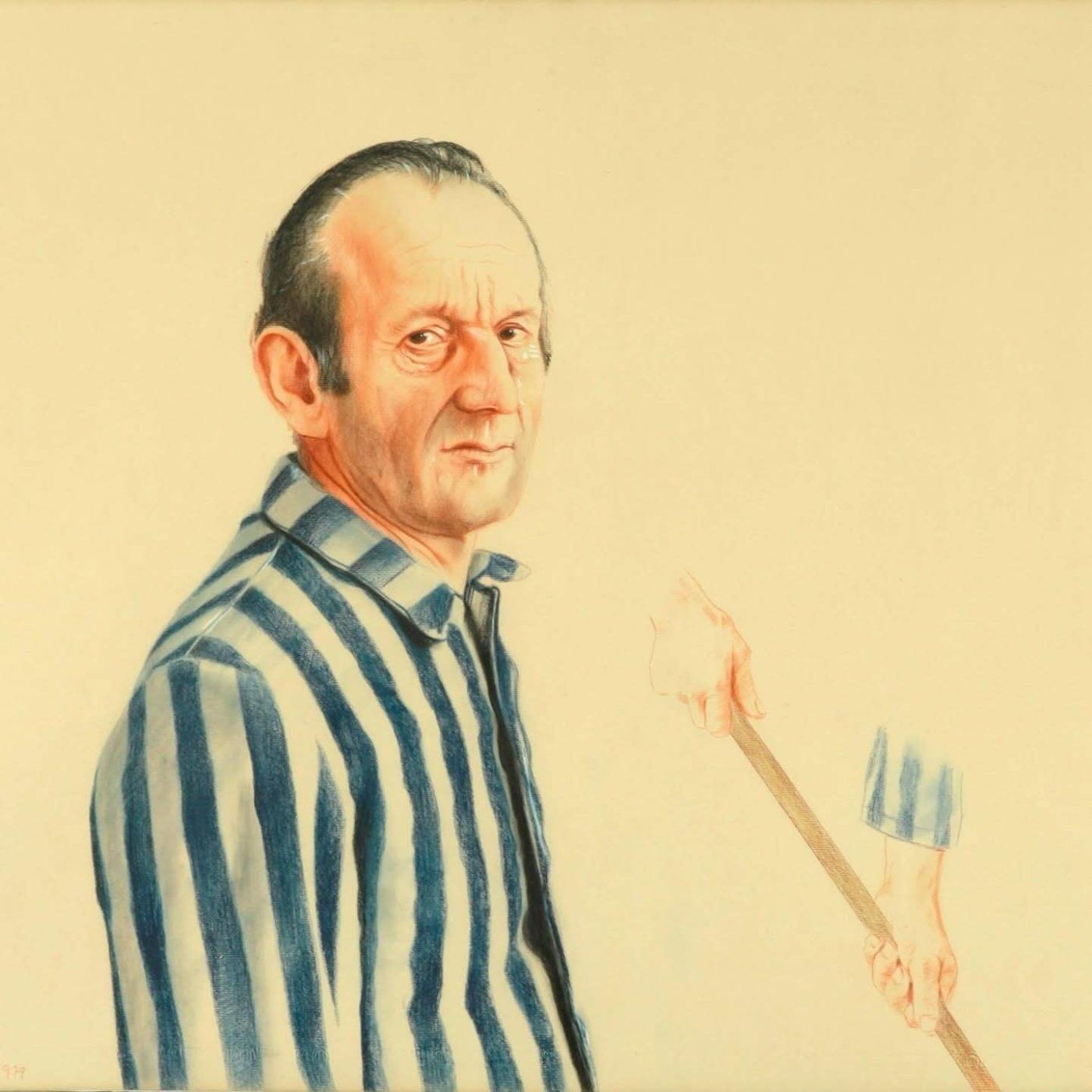
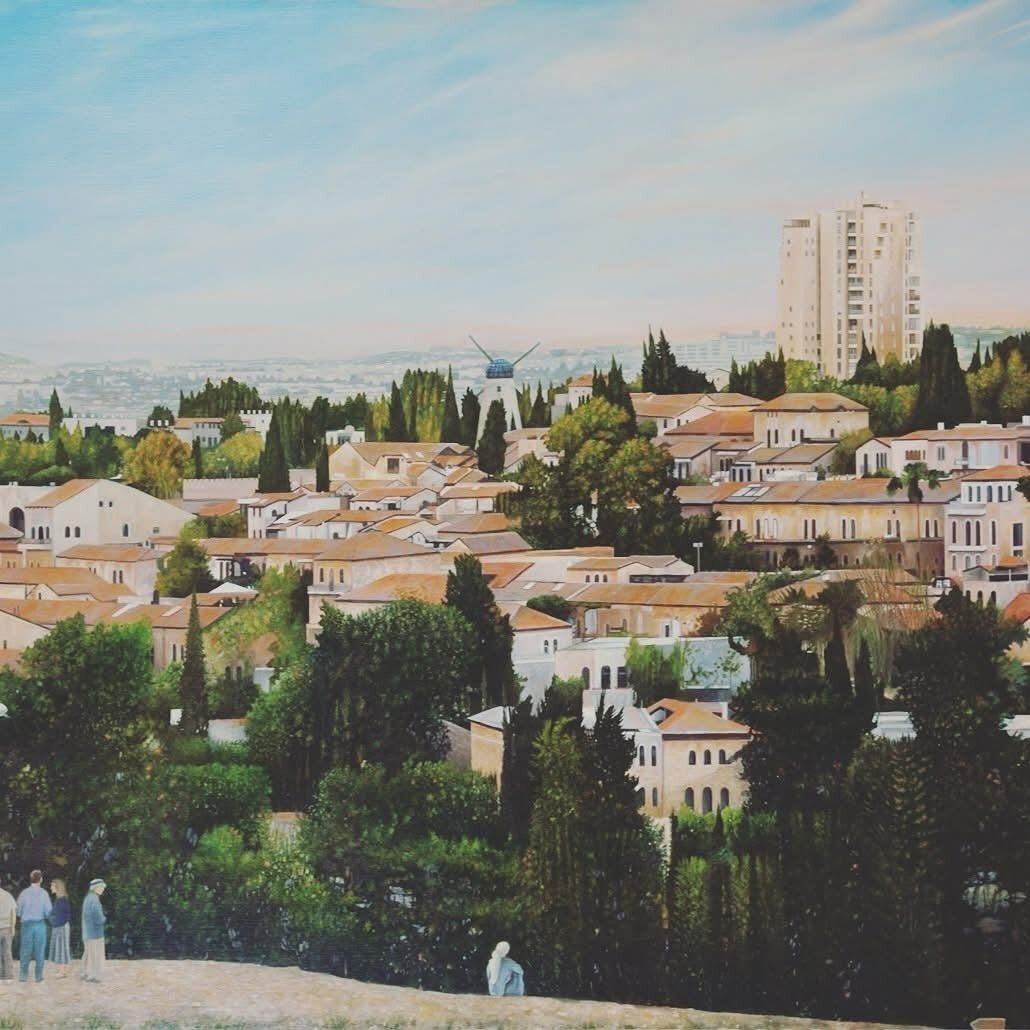
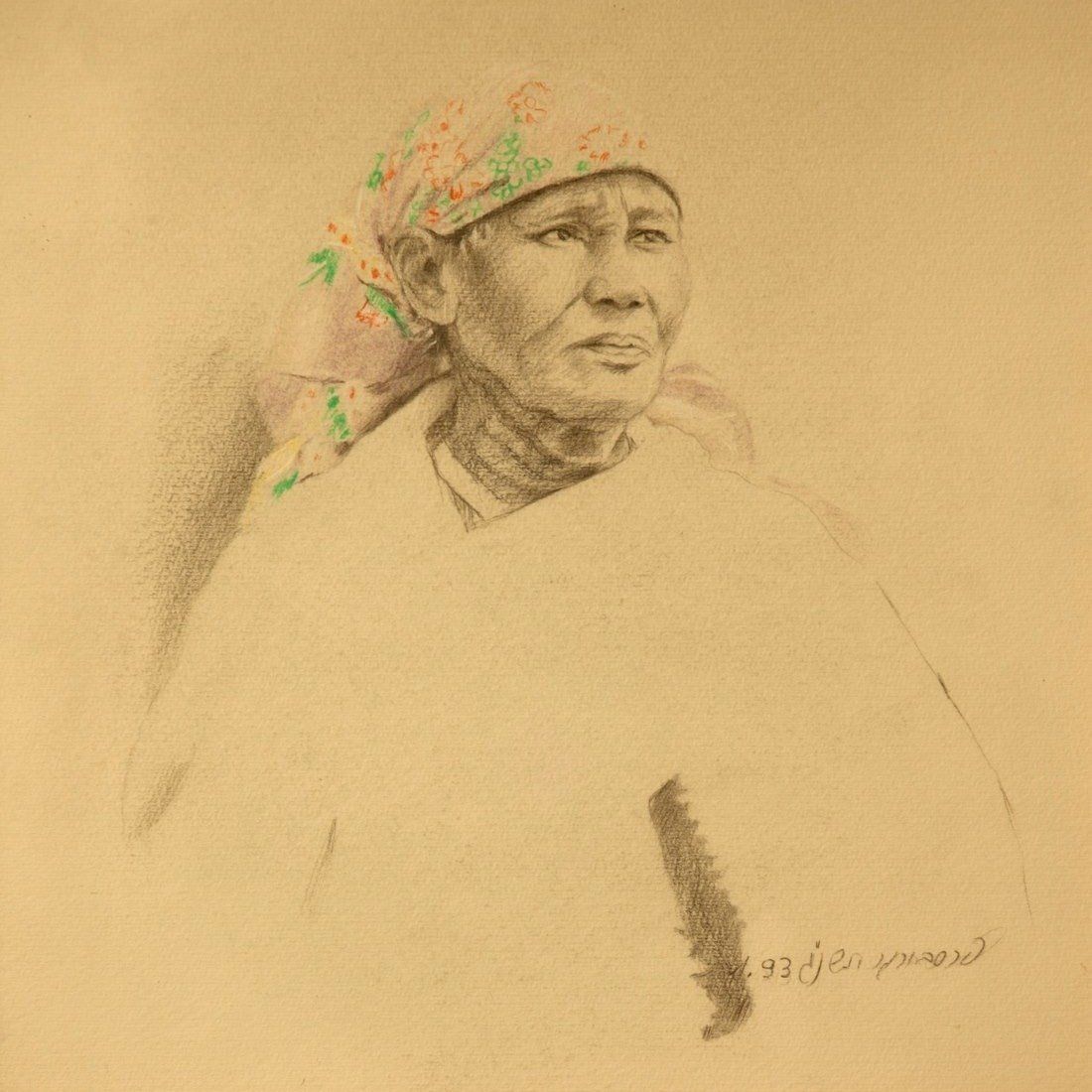
Pressburger's art
Pressburger's art (Photo: Courtesy of the family)
Pressburger's art
Pressburger's art (Photo: Courtesy)

Shadows of the Danube

Today, the "Shoes on the Danube Bank" memorial is a somber tourist site in Budapest. For Pressburger, it is a haunting reminder of the life he almost lost.

"I was supposed to be there, on the banks of the Danube," he says, his voice trembling. His mother, sensing danger yet again, forced the family out of their crowded hiding spot and into the freezing night just moments before the residents were rounded up, marched to the river, and executed. His father was not as fortunate, vanishing into the horrors of a death march in 1943.

From the Exodus to the Ivory Tower

Pressburger’s struggle continued well after the liberation of Budapest by the Red Army in 1945. In 1947, he boarded the famed Aliyah Bet ship Exodus. After a brutal battle with the British Navy, he found himself forcibly returned to Germany, a secondary trauma that stayed with him even after he eventually reached Israel and enlisted in the Navy.

The transition to Israeli life brought its own stings. "They called us 'Sabanot' (soaps)," he recalls, describing the cold alienation some Holocaust survivors felt from the native-born "Sabras."

However, Pressburger found his voice through the brush. He studied at the Avni Institute under masters like Marcel Janco before moving to Paris, where he spent 16 years honing his craft at the prestigious Beaux-Arts academy.

Pressburger's art
Pressburger's art (Photo: Courtesy)

A Circle Closed in Jerusalem

Pressburger’s art has since traveled the globe, displayed in galleries from Berlin to Milan and inside the halls of the Knesset. His style evolved from surrealist expressions of pain to realist explorations of Jerusalem’s unique light.

In a final, poetic irony, the man who fled the Nazis found his spiritual home alongside his wife, Geula, a German convert to Judaism. Together, they returned to religious life in Jerusalem, raising a family that Pressburger views as his ultimate victory over the shadows of the past.

Ready for more?

Join our newsletter to receive updates on new articles and exclusive content.

We respect your privacy and will never share your information.