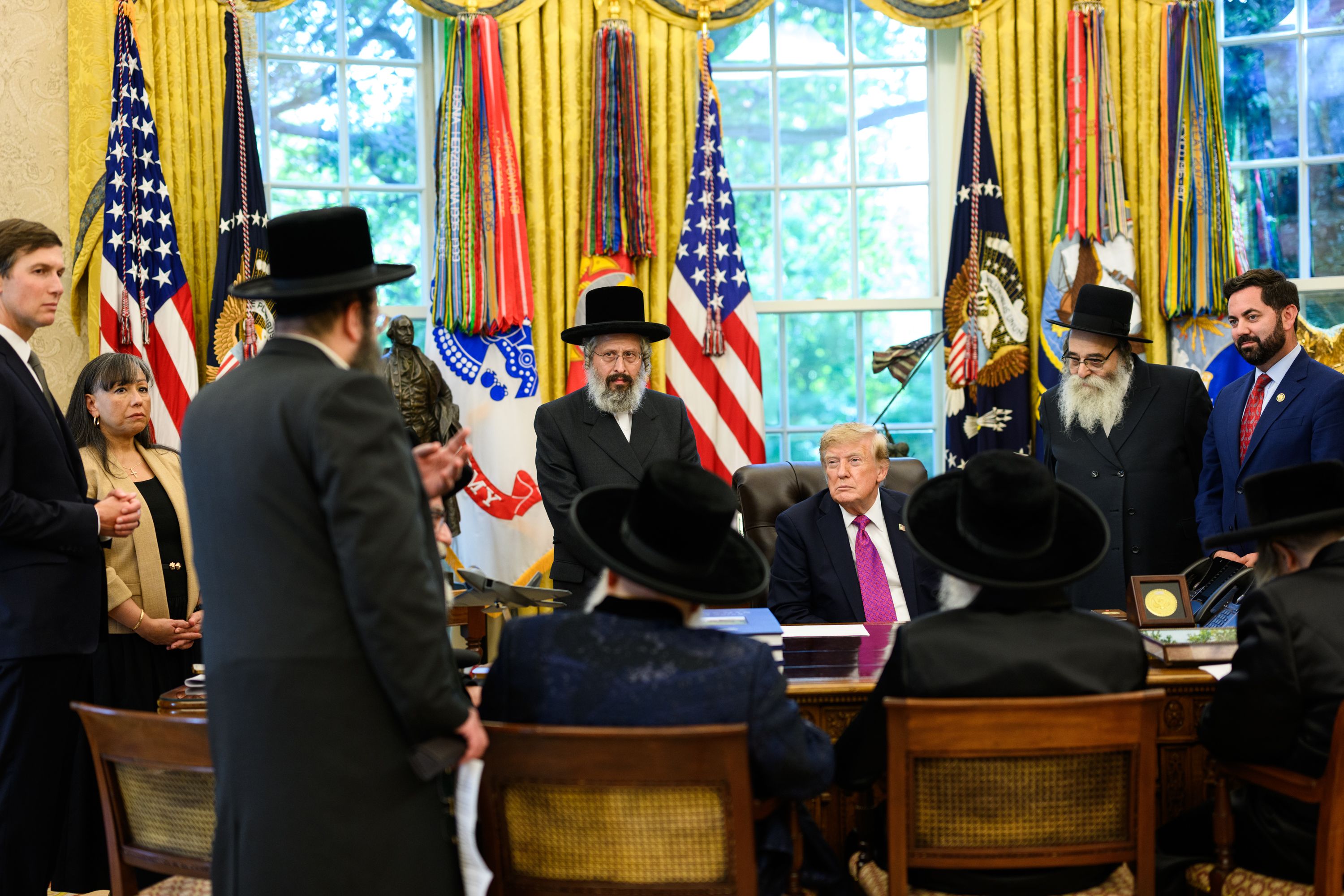
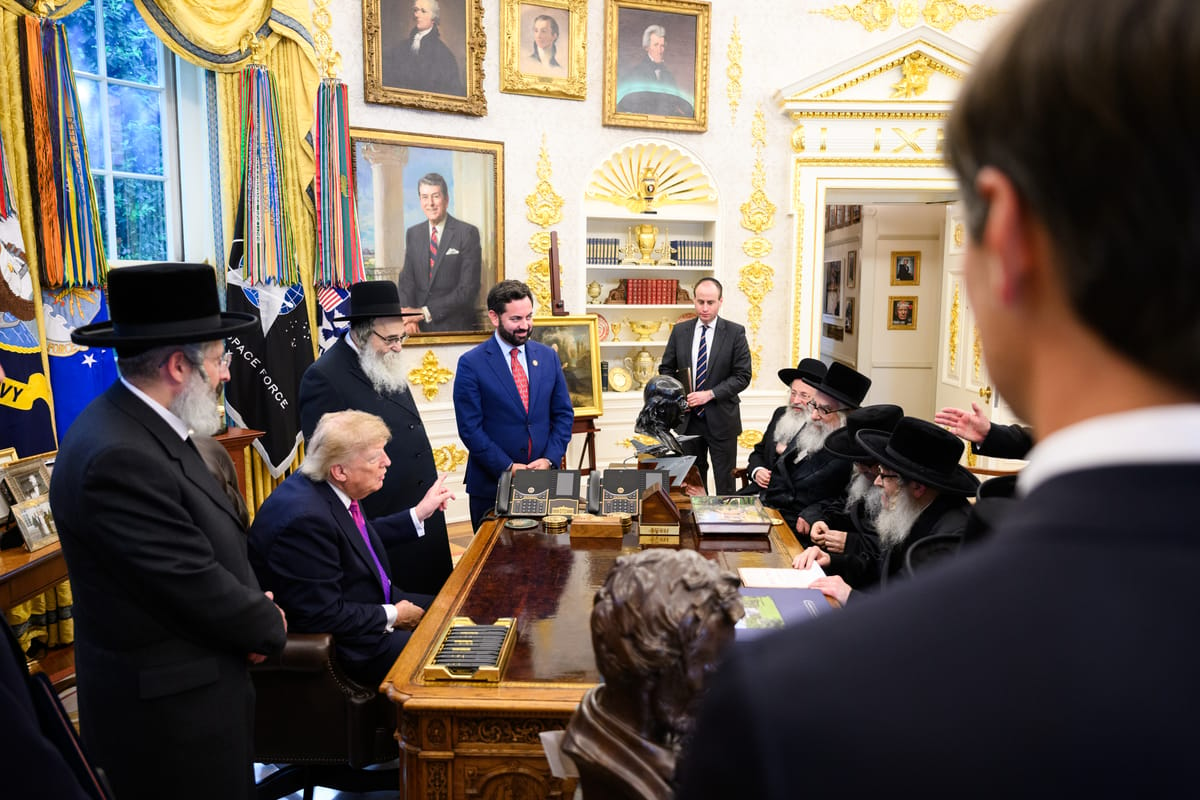
Two weeks after a historic delegation of leading American rebbes and roshei yeshiva met with President Donald Trump in the Oval Office, new details are emerging from behind the closed doors of that extraordinary encounter.
The meeting brought together the Satmar Rebbe, the Bobover Rebbe, the Vizhnitzer Rebbe of Monsey, Rabbi Malkiel Kotler of Lakewood Yeshiva, and Rabbi Aharon Mendel Twersky, eldest son of the Skverer Rebbe. Now, American Haredi magazine Ami has published previously unreported quotes from the private conversation, along with the complex logistical and political maneuvering that made the meeting possible.
From campaign idea to Oval Office reality
According to the newly disclosed information, the idea for the meeting originated during Trump's first campaign, when the Satmar Rebbe sought to establish a direct channel to the federal government regarding Haredi educational autonomy in New York. After a lengthy pause, contacts resumed in summer 2025. Activists and Congressman Mike Lawler conveyed to the White House a defined agenda spanning educational independence, fairness in the justice system, security funding, and federal action against antisemitism.
To ensure a working meeting and not just a photo opportunity, the president's advisers demanded clarity. Given space constraints in the Oval Office and a desire to avoid a massive delegation of dozens of attendants and gabbaim, organizers agreed to limit the group to "six major rabbis" representing the largest communities. Trump himself insisted on holding the meeting specifically in the Oval Office rather than elsewhere, to accord full honor to the distinguished leaders. The timing was set around Rosh Hashanah as a blessing meeting and expression of gratitude.
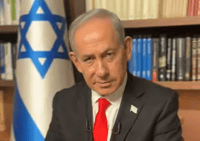
"You all don't like Bibi?"
During the conversation, the president moved between weighty policy matters and Haredi community issues, interspersing humorous remarks. One notable moment came when Trump suddenly turned to the delegation and asked: "You all don't like Bibi?" One of the rabbis immediately responded: "We love Trump."
Later in the discussion, Trump humorously addressed his relationship with the American Haredi public, comparing U.S. military action in the Middle East to the media response following his commutation of Rabbi Sholom Mordechai Rubashkin's sentence.
"You guys are funny," Trump told the delegation. "I send B-2 bombers to Iran, blow them to smithereens, and if I hadn't done that they would have wiped out Israel, but for that I don't get a thank you from you. On the other hand, I pardoned that butcher from Iowa...he has some funny name (Rubashkin, ed.) and everyone's happy."
When those present reminded him the name was Sholom Mordechai Rubashkin, the president joked: "Yeah, Rubashkin. Is that guy even still alive?"
In response to the president's remarks, Yoel Rosenfeld, who accompanied the Bobover Rebbe, explained to Trump how significant the move had been for the Haredi public worldwide: "Mr. President, there were wild dancing in the streets of Brooklyn when that happened." Trump immediately replied with a smile: "Brooklyn? Well, I got 94% of the vote in your areas."