Get our mobile app
Download on the App StoreGet it on Google Play

U.S.-Iran Tensions

Trump: No Timeline to End Iran Standoff

In an exclusive interview with Al Jazeera, the U.S. president says he's in no rush to ease pressure on Tehran as Iran's economy deteriorates under sanctions

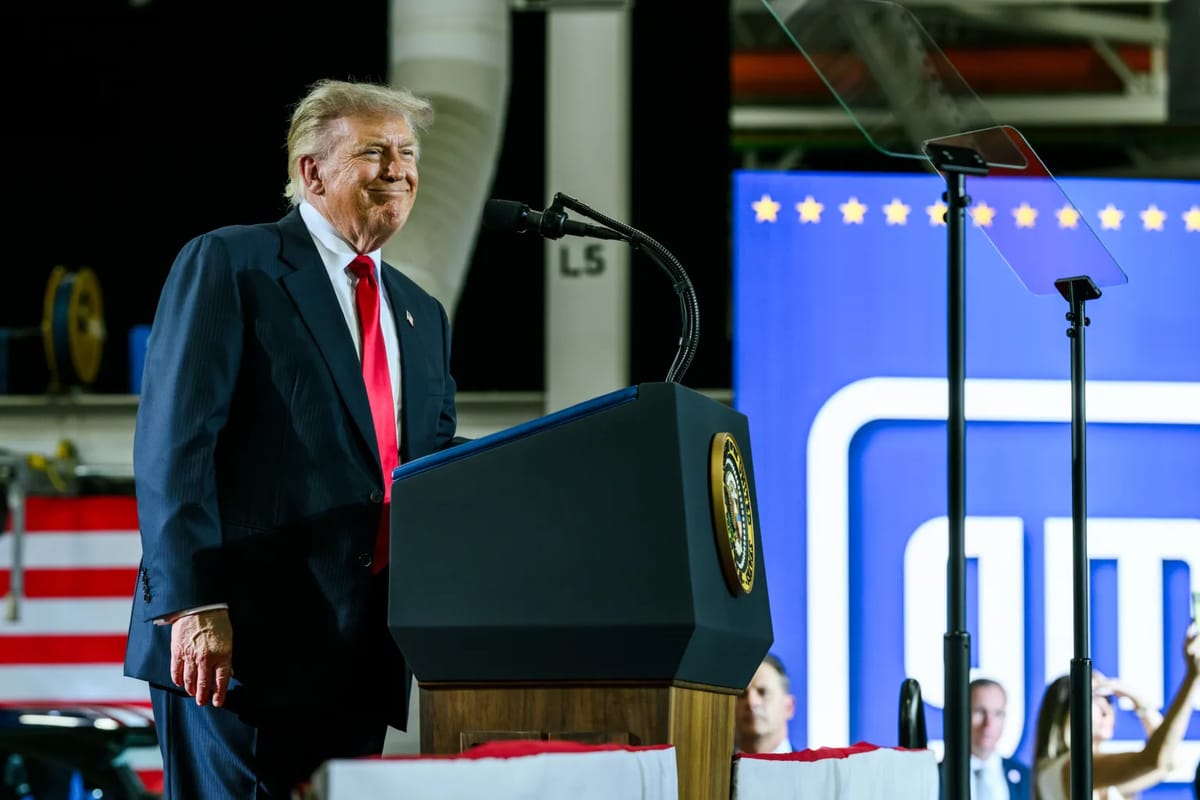
President Trump

As Iran's economy crumbles under the weight of American sanctions and runaway inflation, President Donald Trump has delivered an unambiguous message to Tehran: Washington is in no hurry to relieve the pressure. In an exclusive interview with the Qatar-based Al Jazeera network, Trump made clear that the United States holds the upper hand and has no intention of backing down.

When reporter Tanya Nouri asked how long he was willing to wait for Iran to return to negotiations, Trump's response was blunt: "I don't have a timeline, none. I'm not in a rush. I don't have any timeline at all." The message was unmistakable, the United States will maintain its combined economic and military pressure campaign for as long as necessary.

Some analysts say that Trump might just be waiting for the midterms and will then resume military operations against Iran, but he has had many reasons and opportunities to resume the fighting, and he has made countless excuses not to return to it. Also, Americans are very unsupportive of the war and especially the active fighting against Iran, the cost and the U.S. casulaties, so it's not in his best interests currently.
According to Trump, the United States currently occupies an exceptionally strong position and is "winning very, very big." The president painted a grim picture of conditions inside Iran, describing an economy in freefall, massive inflation, and brutal internal repression by the regime. "They treat their people very, very badly," Trump said, adding that "they're killing a lot of protesters."

When asked whether economic pressure proves more effective than military action, the president was emphatic: "I think both are effective." His comments come exactly six months after the United States launched direct military operations against Iran on February 28, 2026, a campaign that fundamentally altered the strategic landscape across the Middle East.

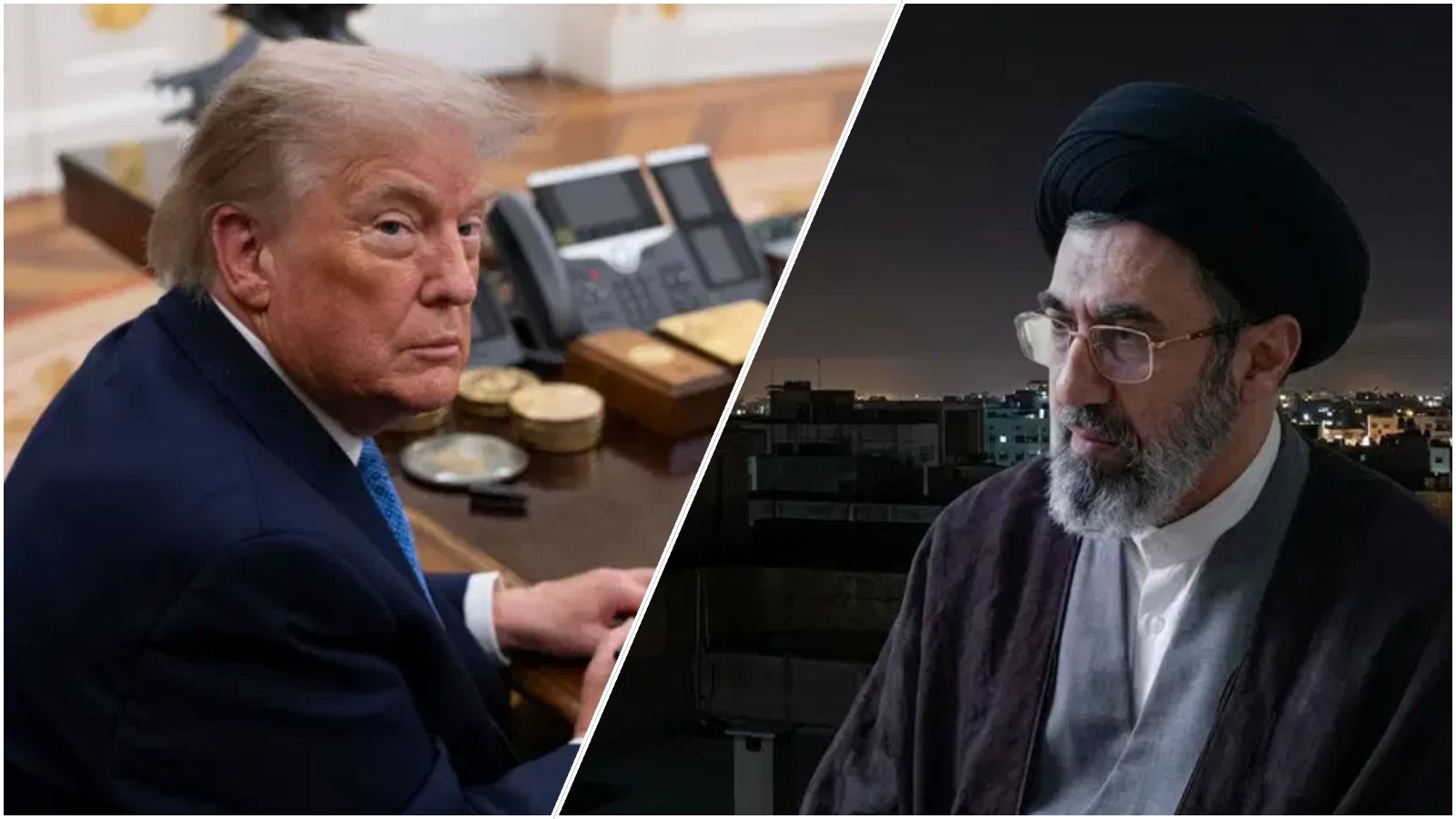
Trump: Mojtaba Khamenei
Trump: Mojtaba Khamenei (Photo: The White House, Uncredited)

A Shift from Earlier Assessments

Trump's combative statements mark a notable departure from his initial predictions. At the outset of the conflict, the president estimated the confrontation would be focused and last only "four to six weeks." As recently as last June, the two sides signed a 60-day memorandum of understanding aimed at securing freedom of navigation through the Strait of Hormuz, lifting sanctions, and resolving the Iranian nuclear issue. Since then, however, talks have completely frozen.

While diplomatic sources report that Qatar and Pakistan continue efforts to mediate and prevent a wider regional catastrophe, Trump has doubled down on his position: the combined economic and military pressure will continue at full intensity until Tehran accepts the new reality.

Meanwhile, CIA Director John Ratcliffe conducted a secret visit to Moscow this week, demanding that Russia completely halt military support to Iran, as Washington prepares to impose additional severe economic sanctions on the regime.

Ready for more?

Join our newsletter to receive updates on new articles and exclusive content.

We respect your privacy and will never share your information.

Enjoyed this article?

Yes (30)
No (1)
Follow Us:

Unmissable content


Loading comments...

Also of Interest