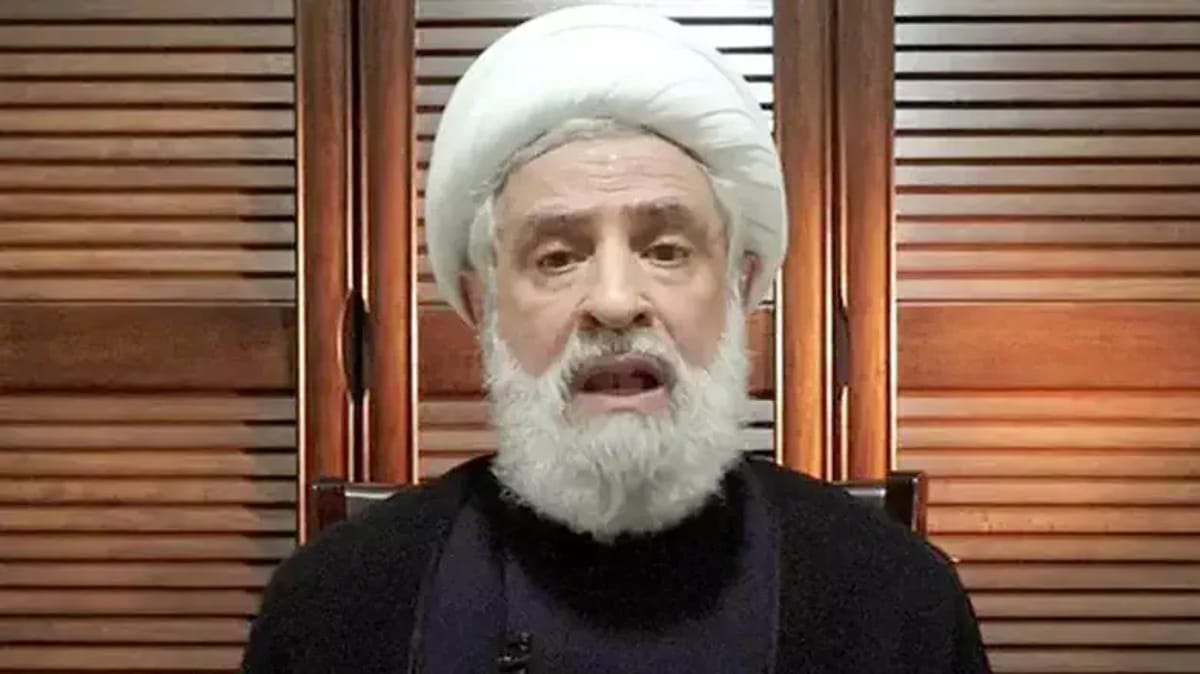
In a dramatic development reported Monday evening, senior Hezbollah officials have initiated preliminary feelers to explore a potential ceasefire and an end to the current war with Israel. The proposal, which was reportedly funneled through Lebanese Parliament Speaker Nabih Berri to the Trump administration, marks a potential turning point in a decades-long struggle. As the Israeli military continues to exert massive pressure on the ground and from the air, the leadership in Jerusalem is now faced with a monumental strategic choice: should they launch a final, large-scale operation to permanently liquidate the terrorist organization, or should they accept a deal that effectively severs the umbilical cord between Hezbollah and its masters in Tehran? This choice comes as the Lebanese government expresses mounting panic that the continuation of the war will lead to the total destruction of the state.
The Cost of the Proxy War
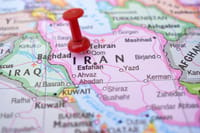
For over 30 years, Iran has funneled approximately one billion dollars annually into Hezbollah, building it into the most heavily armed non-state actor in the world. However, the current war has decimated that investment. Israeli officials are debating whether the strategic achievement of forcing the group to lay down its arms is enough to claim victory. Disarming the group would represent a historic shift, effectively disconnecting Iran from its primary forward base on the Mediterranean. Despite this potential gain, there is deep skepticism in Israel. Many within the security establishment believe that any ceasefire that leaves Hezbollah intact, even if disarmed, would simply allow them to rebuild under the cover of a temporary peace.
A Nation on the Brink
The Lebanese government is increasingly vocal about the catastrophe unfolding within its borders. Since the war began, over 600,000 civilians have fled southern Lebanon, and the Dahiya district in Beirut, once a fortress of terrorist activity, has been almost entirely emptied following relentless Israeli airstrikes. Lebanese sources indicate that the government is terrified that the country cannot survive another few weeks of high-intensity war. However, they face a paralyzed reality; the Lebanese army remains unwilling to take significant action to disarm the terrorists itself, and the United States has shown little enthusiasm for mediating a deal that does not include the total removal of the Hezbollah threat.
The Ground Reality and the Choice Ahead
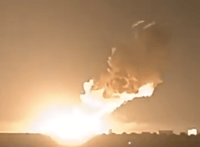
On the ground, the war shows no signs of slowing down. Since Israeli ground forces entered southern Lebanon to seize territory and conduct raids, intense battles have raged, with Hezbollah continuing to fire anti-tank missiles at IDF soldiers. The group’s decision to join the war on its second day, launching waves of rockets and drones toward Israel, has backfired spectacularly. Now, with their leadership decimated and their strongholds in ruins, the "Axis of Resistance" is looking for an exit. Israel must now decide if the opportunity to destroy Hezbollah once and for all is too great to pass up, or if the "strategic achievement" of a negotiated surrender is the wiser path to regional stability.