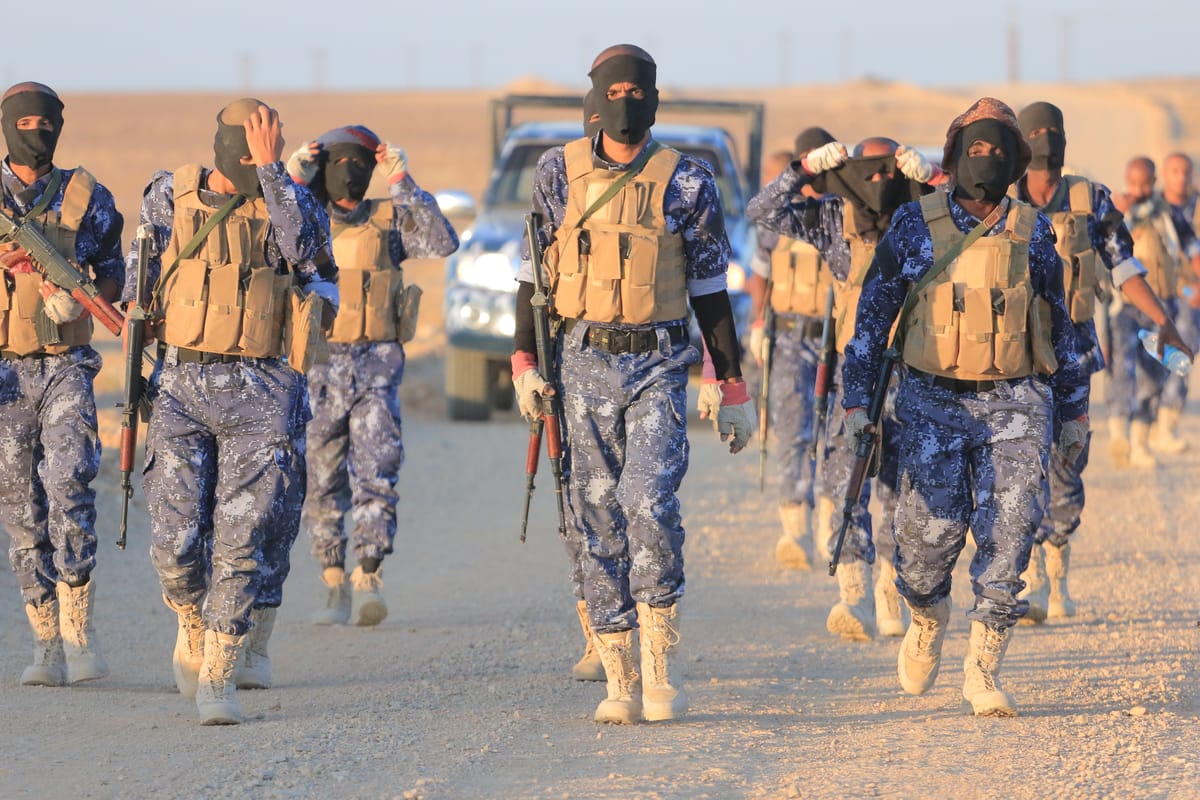
A wave of unprecedented panic has swept through the leadership ranks of the Houthi terrorist organization in Yemen, according to reports from the Saudi newspaper Asharq Al-Awsat. Following a series of successful precision strikes by Israel against Iranian-backed figures across the region, top Houthi officials have almost entirely vanished from public life, choosing to go underground rather than risk appearing at mass events. In the capital city of Sana'a and other occupied territories, once-grand recruitment rallies have become disorganized and sparsely attended, featuring only junior spokesmen and low-level advisors. This retreat into the shadows has exposed a significant fracture in the organization's image of control, as the group struggles to maintain its grip on power while its commanders live in constant fear of assassination.
A Culture of Paranoia in Sana'a
The absence of high ranking Houthi figures has become so noticeable that local residents describe recent public gatherings as "faded and messy." Security sources close to the organization confirmed to Asharq Al-Awsat that strict directives have been issued to minimize public appearances and to avoid any communication that could reveal a leader's location. This shift has resulted in a chaotic atmosphere where armed guards often outnumber the actual participants. Abu-Abdullah, a resident of the Al-Hasba neighborhood in Sana'a, noted that a recent event in his area was devoid of any recognizable faces. "In previous years we would see prominent leaders on the stage, but this time no one appeared. Even the neighborhood head was hidden in a disguise. The confusion was obvious, and the number of gunmen at the event exceeded the number of attendees," he reported.
This state of high alert is a direct response to the effectiveness of Israeli and regional intelligence in locating and neutralizing high value targets associated with Iran’s axis of terror. The Houthis, who have launched numerous attacks on international shipping and Israeli territory during the current war, now find themselves on the defensive. Khaled, a government worker in the capital, revealed that the group has banned all photography or filming during events to prevent the identification of those present. "We were prevented from taking pictures or mentioning the names of the leaders in attendance, even though they were not senior figures. It reflects an unprecedented state of panic," he said.
The Missing Commanders
The list of those missing from the public eye includes the most influential figures in the Houthi hierarchy. Mahdi al-Mashat, the head of the Supreme Political Council, Muhammad Ali al-Houthi, and Ahmed Hamad, a key figure in the group’s security apparatus, have all stayed out of sight. Rather than making live appearances or televised speeches, the group has relied on pre-recorded audio messages and written statements to communicate with their followers. Political analysts in Sana'a argue that this prolonged disappearance is severely damaging the group's ability to recruit new members and project strength to its base.
As internal and external pressures mount, the Houthis face a double challenge: they must keep their leadership alive while trying to maintain the appearance of a functioning government. However, with top commanders hiding in bunkers and neighborhood officials appearing in costume to avoid being targeted, the image of a cohesive and powerful movement is rapidly dissolving. The fear of Israeli air power and intelligence has turned the streets of Sana'a into a place of suspicion, where the "recruitment speech" no longer carries the weight it once did, and the terror group's top brass remains paralyzed by the threat from above.