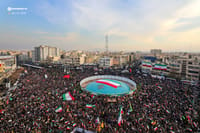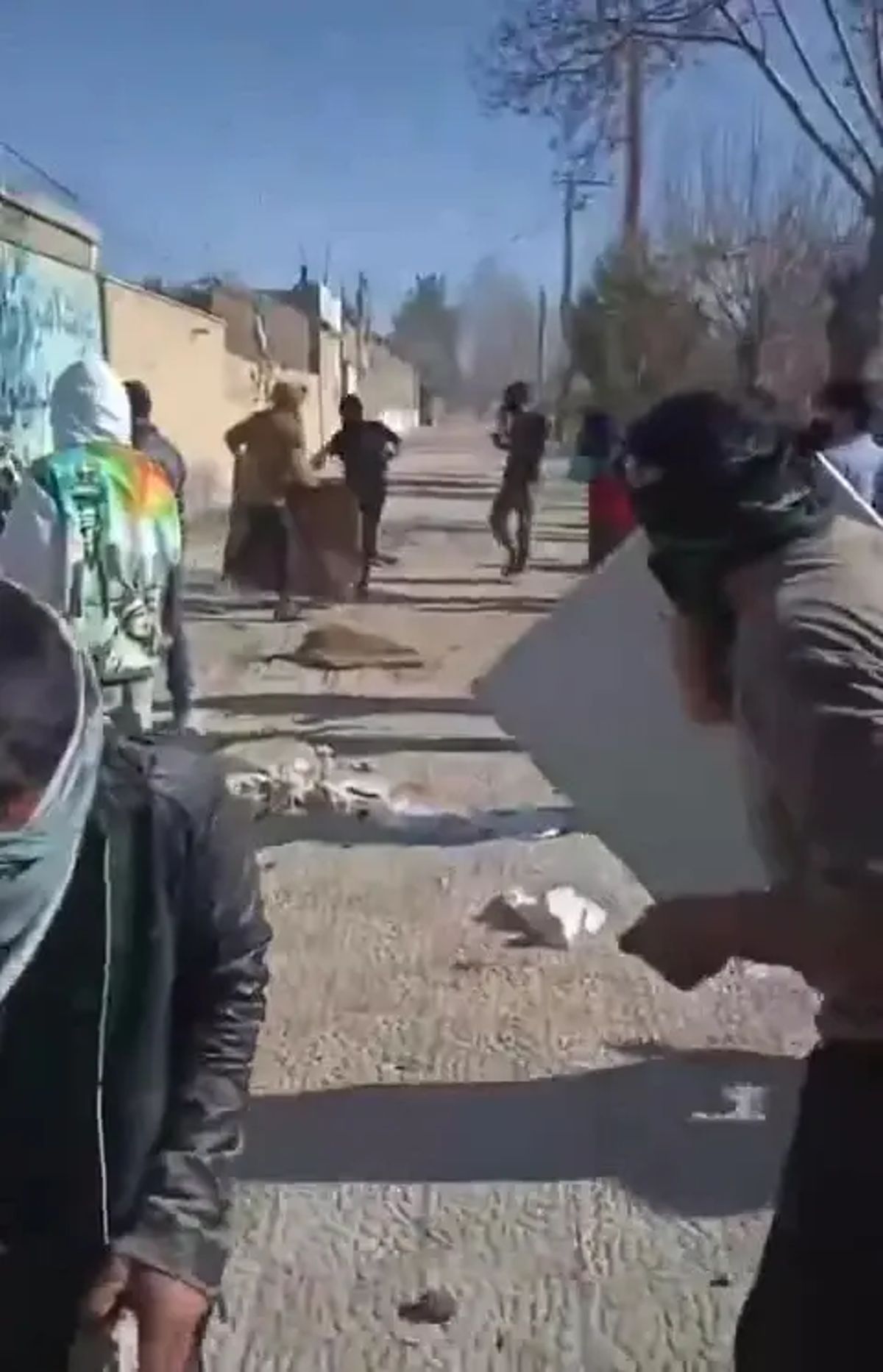
The current uprising in Iran is being driven by a "chronic disease" of poverty, neglect, and a total financial meltdown that the Islamic Republic appears powerless to cure. By the end of 2025, the Iranian rial hit a catastrophic low, trading at 1.5 million rials to a single American dollar. This collapse, paired with an inflation rate that has soared past 42%, has stripped the middle and working classes of their purchasing power. For the first time in years, the legendary merchants of the Tehran Bazaar, traditionally a pillar of the nation's economy, have closed their shops not in mourning, but in active protest against the regime's failure to provide basic stability.
This economic despair is different from the political or social protests of the past. Iranians are now facing a reality where bread and water are becoming luxuries. A resident of Tehran described the shift, noting that "this time, it is the sellers, the ones who hold the economy, who are out there. They used to only care about themselves, but now they see the others." The government’s response has been a mix of panic and desperation. President Masoud Pezeshkian recently accepted the resignation of the central bank governor, only to replace him with a former official who had previously been ousted for failing to solve the very same currency crisis. In a moment of rare honesty, Pezeshkian admitted to a group of students that he feels incapable of stopping the decline.
The government attempted to stall the momentum by declaring a national holiday in 25 provinces, citing extreme cold as the reason for closing offices and universities. However, citizens see through the "weather" excuse, recognizing it as a desperate move to prevent people from gathering. The economic pressure is compounded by the return of international sanctions following the expiration of the decade old nuclear deal. As businesses fail and the cost of food rises by over 60%, the regime finds itself in a corner. They cannot provide the resources to fix the economy without major diplomatic concessions they are unwilling to make, leaving the "social bomb" of Iranian poverty ready to explode across every major city.