The defense establishment in Israel has entered a state of high vigilance as intelligence reports indicate that the Islamic Republic of Iran is facing its most significant internal stability crisis in decades. For weeks, a volatile wave of unrest has surged across the country, moving far beyond isolated incidents in Tehran to engulf the two sectors the regime fears most: the universities and the merchant class of the bazaar. Reports from the University of Tehran describe repeated and violent confrontations between security forces and students, while shopkeepers in the historic Grand Bazaar have initiated strikes that have brought daily commerce to a standstill. These dual pressures represent a broad economic and social revolt that has left the leadership in Tehran scrambling for a response.
The regime's reaction to this uprising has been unusually measured, with President Masoud Pezeshkian and other senior officials publicly suggesting an openness to dialogue. They have even gone as far as to label some of the protesters' grievances as legitimate demands. This softer rhetorical line is a departure from the traditional iron fist typically used against those who chant against the supreme leadership. While some analysts believe this reflects a calculated attempt at confidence management, others see it as a sign of extreme stress within a leadership trying to prevent a nationwide blaze from consuming the entire government structure.
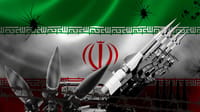
Israeli intelligence has been monitoring this situation with a specialized stability index, and senior security sources report that the current reading is the worst since these measurements were first established. Crucially, these assessments of rising fragility were noted even before the most recent wave of demonstrations flooded the streets. This has led to a major red alert for Israeli defense officials, who fear that a cornered regime may look for an external distraction to change the national conversation. There is a serious concern that Tehran might choose to escalate a war with Israel to divert public anger away from the collapsing rial, the cutting of subsidies, and the general economic freefall.
The logic behind such a move is political rather than military. An escalation that appears irrational from a strategic perspective can be useful for a regime desperate to rally its remaining supporters, justify more brutal crackdowns, and shift international headlines away from the domestic protests. With the Iranian economy serving as a constant accelerant for the unrest, the government's ability to maintain control through reshuffles and promises is fading. As long as the streets remain hot, the strategic calculus of the Iranian leadership becomes increasingly harder to predict, raising the risk of a miscalculation that could lead to a widespread regional war.