As the war between Israel and Iran continues to escalate, military analysts are focusing on the massive missile arsenals being prepared for the next round of fighting. Reports indicate that Iran is currently accelerating the restoration of its missile arrays following the conclusion of the 12-day war. Tehran currently possesses a diverse range of ballistic and cruise missiles, many of which were used extensively against Israel during recent operations.
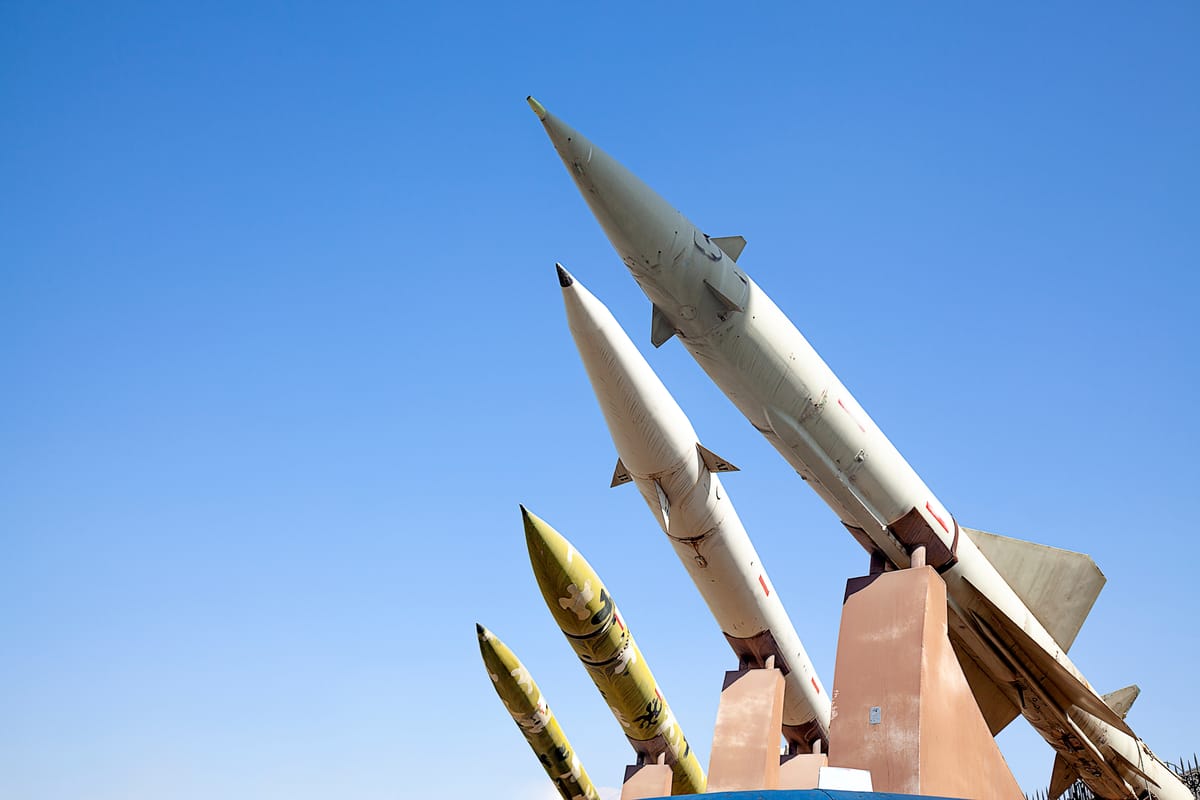
Iran’s ballistic inventory includes several models designed to strike from great distances. The Shahab-3 remains the primary weapon used in the recent war, capable of reaching 1,300 kilometers and carrying hundreds of kilograms of explosives. Other long range threats include the Emad, with a range up to 2,500 kilometers, and the Khorramshahr series, which can reach up to 3,000 kilometers. During a previous operation, Iran launched 528 missiles toward Israel, though many were destroyed along with their launchers. While current estimates suggest the Iranian military holds only about 1,000 functional missiles today, their stated goal is to amass an arsenal of 8,000 ballistic units. A ballistic missile launched from Iranian territory can reach Israel in just 12 minutes.
In addition to ballistic threats, Tehran utilizes precise cruise missiles that act as unmanned aircraft to hit specific targets. These include the Soumar, with a 2,000 kilometer range and a 410 kg warhead, and the Paveh, which can travel 1,650 kilometers. Smaller systems like the Ya Ali carry a 150 kg warhead over a 700 kilometer distance.
To counter these threats, Israel maintains a robust four layer defense shield. The first layer is Arrow 3, which intercepts missiles outside the atmosphere more than 2,000 kilometers away from Israeli territory. If a threat bypasses this, the Arrow 2 and the American THAAD systems engage the target. The third layer is David’s Sling, which operates at ranges up to 300 kilometers. Finally, Iron Dome serves as the last line of defense, primarily handling short range rockets and falling debris from high altitude interceptions. Israel also receives critical support from the U.S. Navy, which utilizes SM-3 interceptors on ships stationed in the Mediterranean to help neutralize incoming Iranian fire.