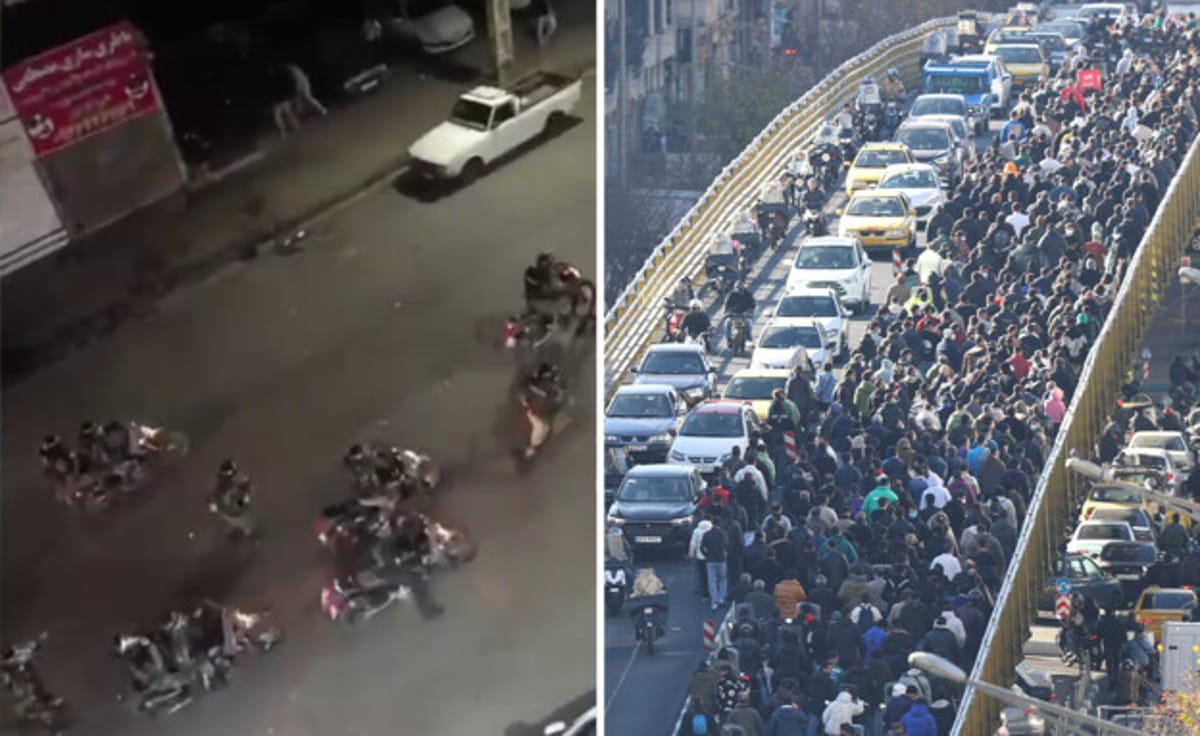
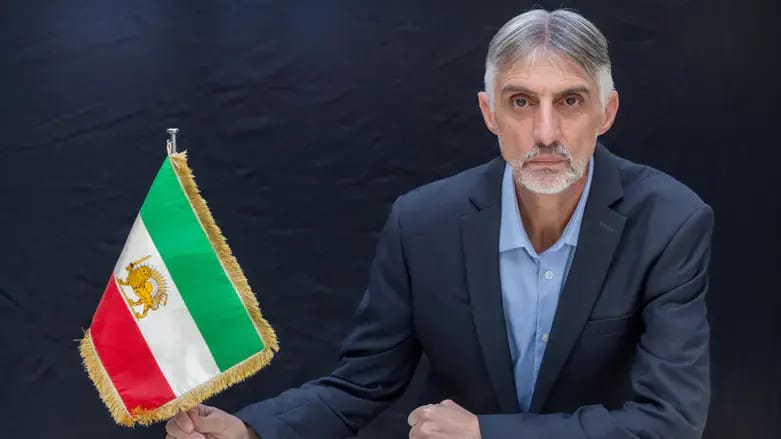
Iran expert Beni Sabti from the Institute for National Security Studies has analyzed the latest wave of protests rocking the Islamic Republic, describing them as markedly different in intensity and bravery compared to past uprisings, yet cautioning that their current scope falls short of the critical mass needed to overthrow the regime. Speaking on Radio 103FM, Sabti assessed the unrest triggered by economic woes and political repression, noting positive short-term benefits for Israel amid the chaos.
"In the short-term, these are very nice scenes that help Israel," Sabti said. "We would like more of this, and I wish for us and for the Iranian people that they won't oppress them, but the quantities are still not large enough." He emphasized qualitative shifts: "The protests' quality is very high, and the protesters' anger toward the forces is much greater, they are much bolder."
Sabti pointed to changing dynamics among security forces, traditionally brutal suppressors: "The forces are relatively passive this time since they feel the problem in their wallet. They say their salaries were cut in half." Early cracks appear at lower levels: "There is some desertion, not in large numbers, among the lower levels. Deserters are moving to the other side, and people in uniform with their faces covered are burning pictures of the Supreme Leader. One even burned a picture of Qasem Soleimani." Recent polls underscore deep discontent: "about 92% of Iranians hate their regime."
Sabti praised a now-deleted X post attributed to Mossad expressing solidarity with protesters and condemning the regime: "The statement is amazing, it is very good." On its removal, he speculated: "Maybe they wanted a teaser, even I understand that it's a trick to draw attention."
These protests follow Israel's June 2025 strikes crippling Iran's nuclear and missile programs, exacerbating economic strain from sanctions and war costs. While not yet revolutionary, the boldness, passive policing, and desertions signal vulnerability in a regime long propped by fear. For Israel, facing Iranian proxies like Hamas terrorists and Hezbollah, internal Iranian turmoil offers strategic breathing room, potentially delaying threats as the ayatollahs grapple with domestic fury.