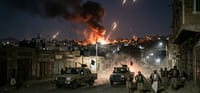
In a rare and public display of domestic division, Lebanese Prime Minister Nawaf Salam has slammed Hezbollah for its role in the current regional war. During an interview with Al Arabiya, Salam described the fighting as a "war of Israel and Iran on Lebanese soil," emphasizing that his country was forced into a confrontation it did not choose. "We entered against our will into a war for which we had no need," Salam stated, highlighting the massive destruction and displacement that has plagued the nation since the war intensified.
Salam’s comments come at a critical moment as a Lebanese delegation prepares to travel to Washington this Thursday for a third round of indirect negotiations with Israel. The Prime Minister made it clear that Hezbollah does not dictate national policy and that the decision to pursue a diplomatic settlement is backed by the political majority in the government. He insisted that while Hezbollah has the freedom to hold its own opinions, the state institutions will lead the negotiation process in coordination with the President.
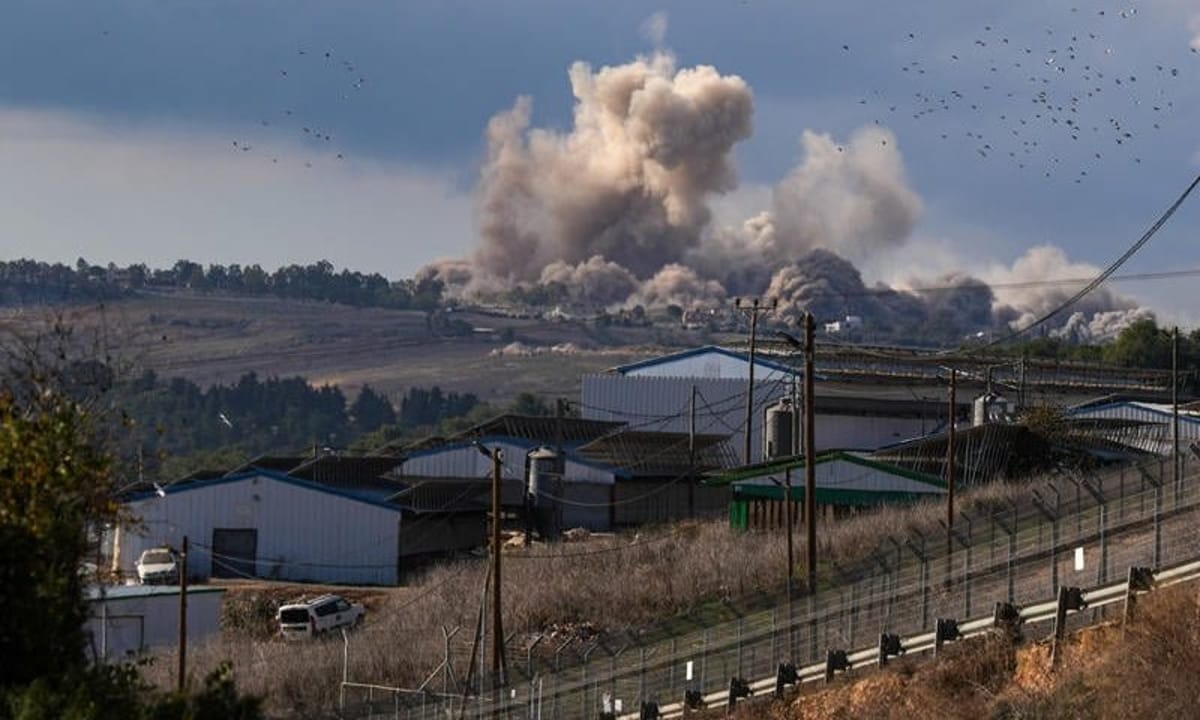
The scale of the disaster facing Lebanon is immense, with Salam noting that 68 Lebanese villages are currently under occupation and entire cities, such as Bint Jbeil, have been completely destroyed. For the Lebanese government, the Washington talks are a necessity born from the reality of a country that can no longer sustain the cost of combat. The goals for the delegation include securing a full Israeli withdrawal, the return of displaced citizens, and the commencement of a massive reconstruction effort.
Hezbollah’s political wing has reacted to the diplomatic push with threats of renewed violence. Mahmoud Qamati, a member of the group’s political council, warned that there would be no security for northern Israeli cities as long as Lebanon’s security is not fully guaranteed. He asserted that Hezbollah would no longer practice "strategic patience" and vowed that any future Israeli action would be met with an immediate military response, signaling a potential attempt to sabotage the Washington summit.
The Prime Minister also revealed that he has discussed the negotiation track with Syrian President Ahmad al-Sharaa as part of a wider effort to align regional interests. Lebanon is seeking an extension of the current ceasefire to allow the talks to proceed in a calm environment, free from the pressure of ongoing strikes. However, the deep chasm between the government’s desire for a diplomatic exit and Hezbollah’s commitment to continued resistance remains the primary obstacle to a lasting peace.
As the Thursday summit in Washington approaches, the world is watching to see if the Lebanese state can truly assert its sovereignty over the armed groups within its borders. The U.S. and Israel have made it clear that the effective disarmament of Hezbollah is a non negotiable component of any final agreement. For Nawaf Salam, the talks are the only way to end the "war of others" and begin the long process of healing a fractured and war torn nation.