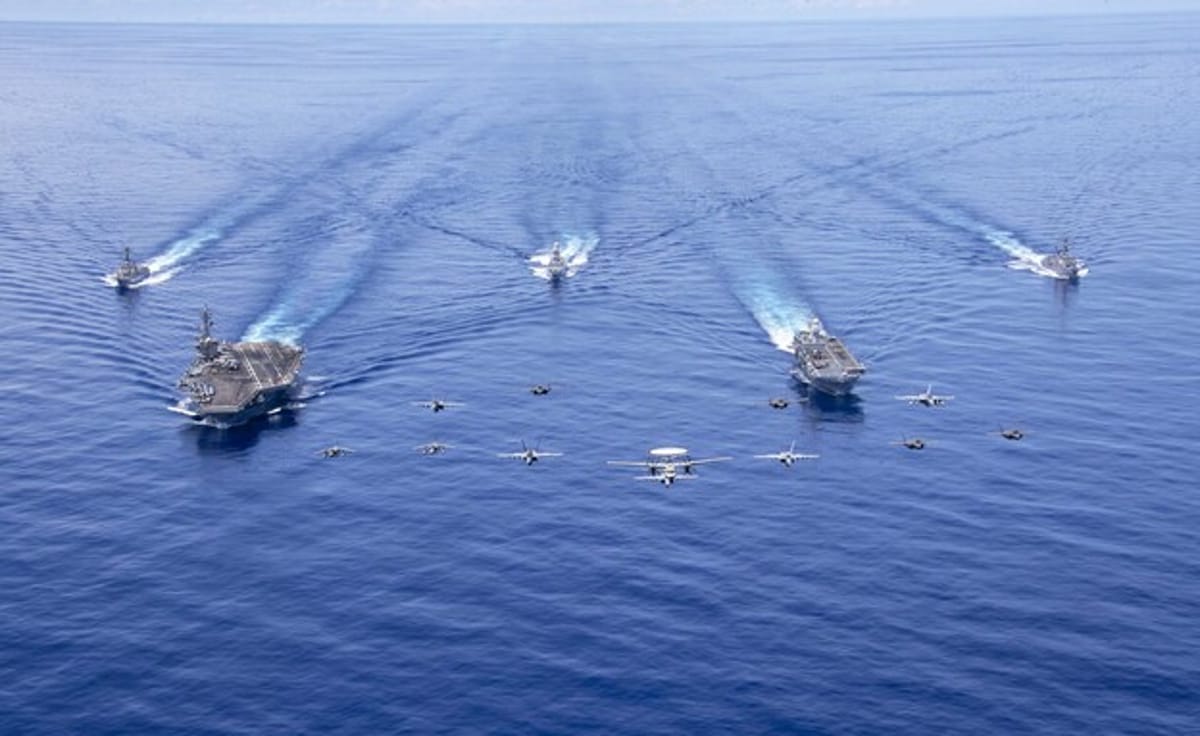
As the global energy market reels from the ongoing war, the United States is reportedly considering a drastic military maneuver to break the Iranian blockade of the Strait of Hormuz. According to reports from Axios, senior officials in the Trump administration are discussing the possibility of seizing or imposing a total siege on Kharg Island. This coral island, located about 40 kilometers off the Iranian coast, is the most sensitive economic node in the entire country, acting as the funnel through which approximately 90% of Iran's crude oil exports flow to the world. The goal of such an operation would be to apply maximum pressure on Tehran to end its maritime blockade, which has currently paralyzed a fifth of the world’s global oil supply.
A Vital Economic Target
Kharg Island is unique because it is one of the few locations along the shallow, muddy Iranian coastline where the water is deep enough for supertankers to dock and load. It serves as the terminus for pipelines carrying oil from Iran's major inland fields. While the U.S. has hit thousands of targets in Iran since the war began, it has largely avoided the nation's energy infrastructure to prevent global price spikes. However, the situation has changed as Iran’s effective closure of the Strait of Hormuz has already sent prices soaring. Experts warn that while a seizure could force Iran’s hand, it could also cause oil to jump from 120 dollars to 150 dollars per barrel almost overnight. "It is too vital to global energy markets," noted Neil Quilliam of Chatham House.
The strategic value of the island is immense. In preparation for the war, Iran reportedly increased the flow of oil through Kharg to three million barrels per day, with roughly 18 million barrels currently stored on the island as a strategic backup. By taking control of this facility, the U.S. would essentially hold the regime's entire economy hostage. While Israel recently struck oil terminals in Tehran against the wishes of the White House, the Trump administration appears to be weighing a more controlled, physical occupation of the Kharg terminals to manage the flow of energy and force a diplomatic or military resolution to the blockade.