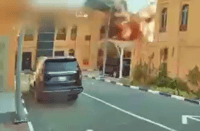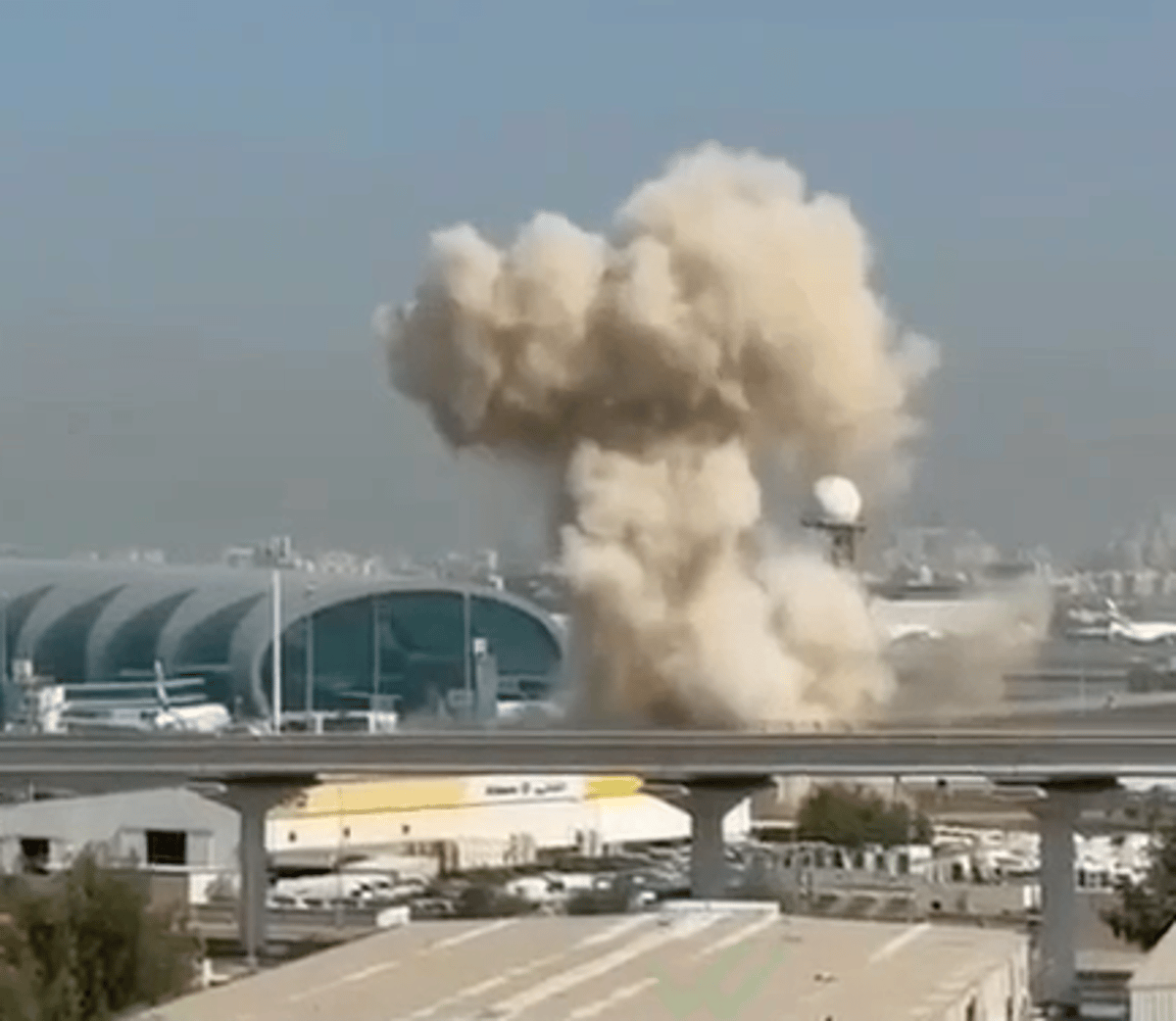
The Iranian regime has significantly expanded its theatre of operations, launching a fresh wave of ballistic missiles and explosive drones at the United Arab Emirates and Qatar. According to the UAE Ministry of Defense, their air defense units successfully intercepted six ballistic missiles and 21 drones launched from Iranian territory today. This follows reports of loud explosions echoing across Doha, where the Qatari Ministry of Defense confirmed that a missile attack on the capital was successfully thwarted. These attacks represent a dangerous escalation in the Gulf, as Tehran continues to lash out at regional neighbors it accuses of aiding the Israeli-American coalition.
Defending the Gulf
The scale of the Iranian aggression against its neighbors is staggering. Since the start of the current war, the UAE has reported the successful interception of 304 ballistic missiles, 15 cruise missiles, and 1,627 drones. Today’s attack on Doha and Dubai further emphasizes that Iran is targeting the economic and political centers of the Middle East to create chaos. In Doha, residents reported hearing the distinct sound of interceptions, which the government later confirmed were part of a coordinated Iranian strike. The use of ballistic missiles, weapons designed for long-range destruction, shows that the regime is willing to risk total regional war to distract from its own internal failures.
Collapsing Infrastructure in Tehran
While Iran attempts to strike out at the Gulf, its own capital is facing the reality of the air campaign. New footage and reports from western Tehran reveal extensive destruction in the Zarafshan residential neighborhood. This area has been hit by precision air strikes aimed at regime targets hidden within the urban landscape. The contrast is stark: while the UAE and Qatar successfully defend their skies with advanced technology, the Iranian regime is unable to protect its own capital from the ongoing bombardment. As the war enters this new regional phase, the pressure on Tehran continues to mount, both from external strikes and from the increasing dissatisfaction of a population caught in the crossfire.