Israeli archaeological authorities have announced the discovery of two rare artifacts underscoring Jewish presence in the Land of Israel across centuries, including during periods when Jews were barred from Jerusalem.
An ancient clay oil lamp dating back more than 2,000 years was uncovered at the site of Nebi Samuel, northwest of Jerusalem, the Civil Administration said this week. The lamp dates to the Hasmonean period, between the mid-2nd and mid-1st centuries BCE, when the Maccabees ruled Judea following their revolt against the Seleucid Greeks. That era is commemorated each year during Hanukkah, which began this week.
The lamp was discovered during archaeological work carried out by the Civil Administration’s Archaeology Unit, which operates under the Defense Ministry’s Coordinator of Government Activities in the Territories. Nebi Samuel, designated a national park, contains remains from multiple historical periods and is traditionally identified in both Jewish and Muslim sources as the burial place of the prophet Samuel.
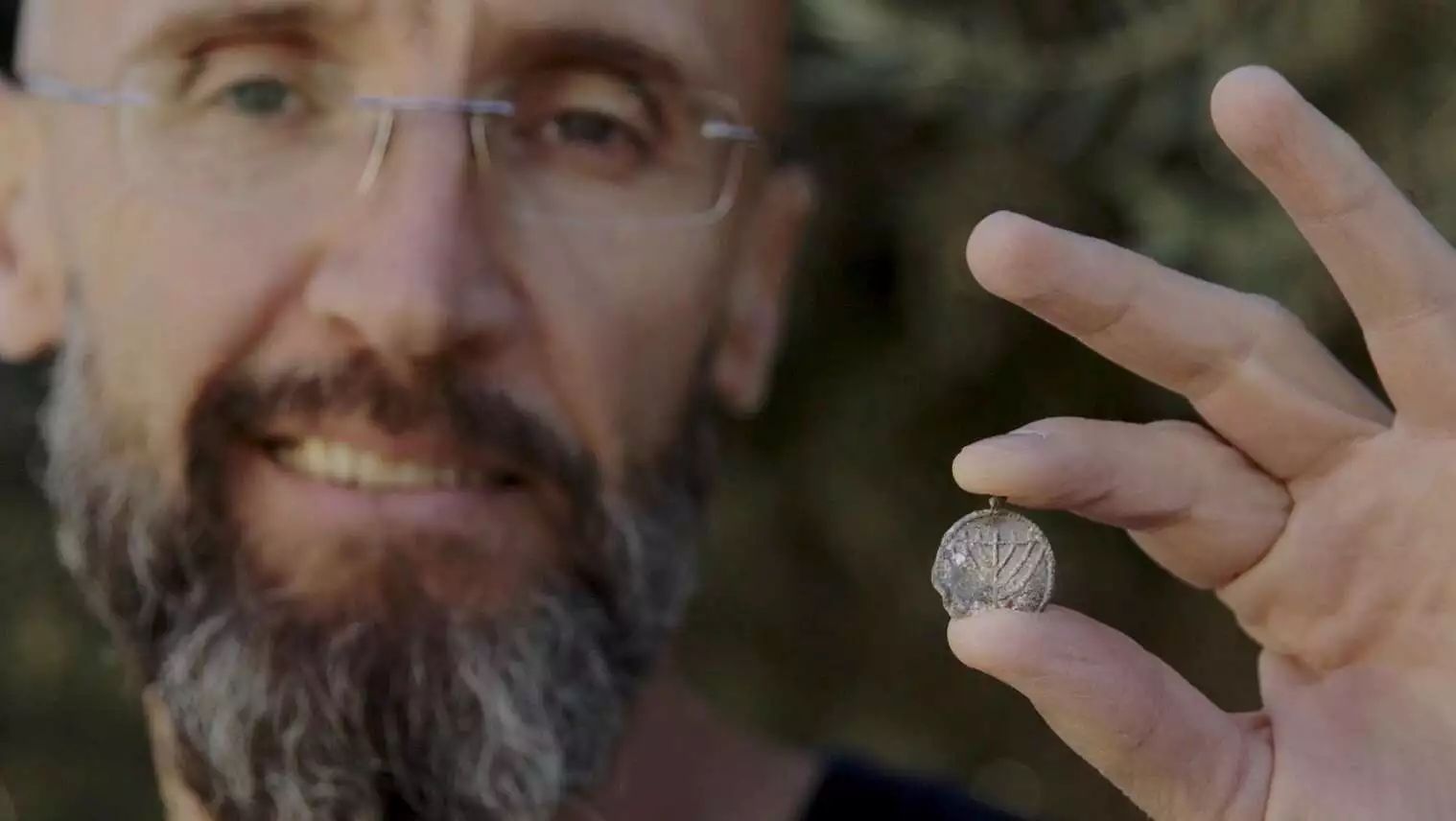
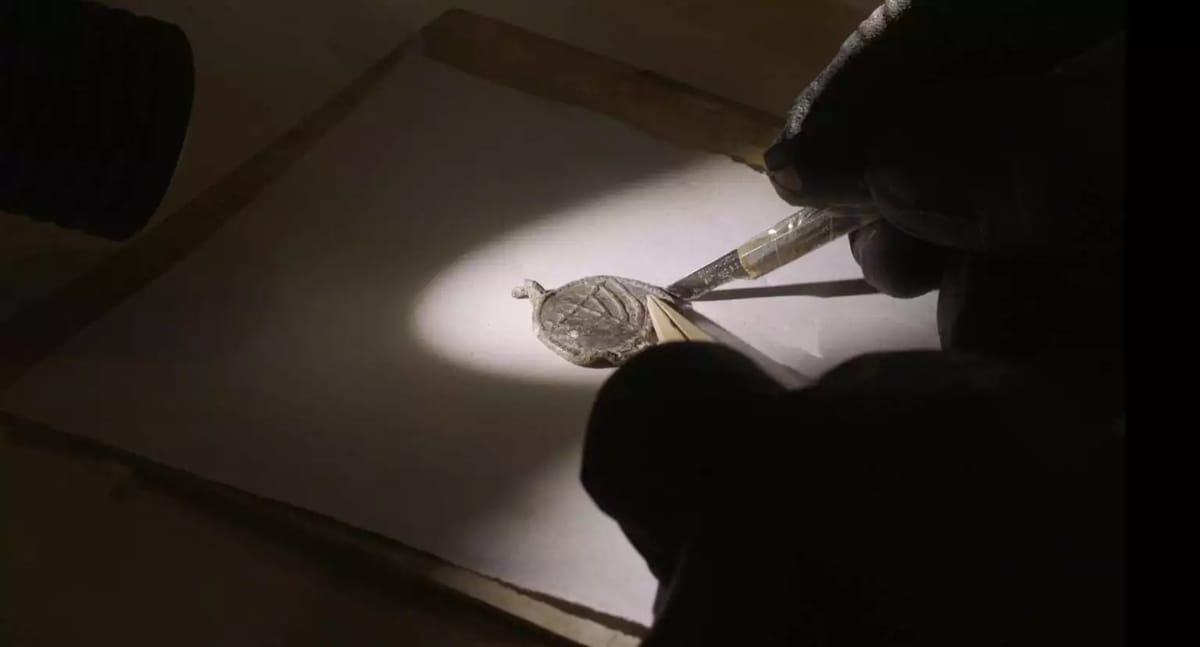
Separately, the Israel Antiquities Authority announced the discovery of an exceptionally rare lead pendant decorated with a seven-branched menorah at the Davidson Archaeological Park near the Temple Mount. The pendant dates to the Late Byzantine period, around the 6th to early 7th century CE, a time when Jews were officially prohibited from entering Jerusalem.
The disc-shaped pendant, featuring identical menorah images on both sides, is believed to have been worn as an amulet. Laboratory analysis showed it is composed of approximately 99 percent lead, a material commonly used for protective charms in antiquity. Researchers say only one comparable lead menorah pendant is known worldwide.
Archaeologists believe the pendant belonged to a Jewish individual who traveled to Jerusalem despite imperial bans, offering further evidence of continued Jewish presence and attachment to the city even under restrictive rule.
The menorah pendant will be displayed to the public for the first time during Hanukkah as part of Heritage Week events in Jerusalem.