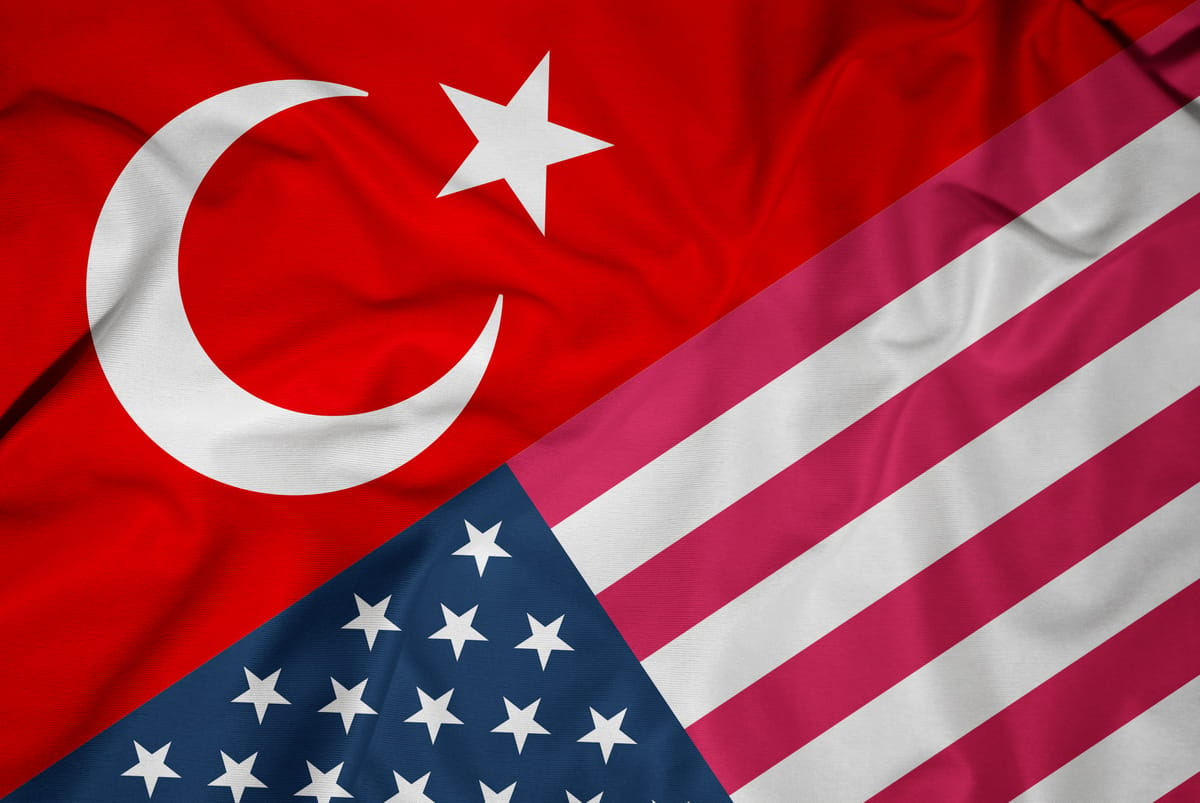
Turkey called on the United States Saturday to press Israeli Prime Minister Benjamin Netanyahu to advance the next phase of the Gaza ceasefire, warning that failure to do so risks the deal's total unraveling amid mounting violations and unresolved disputes.
Speaking at the annual Doha Forum in Qatar, Turkish Foreign Minister Hakan Fidan said ongoing discussions about deploying an international stabilization force in the enclave remain stalled, with key questions lingering over its command structure, contributing countries, and mandate. Turkey, one of the deal's four guarantors alongside the US, Qatar, and Egypt, has expressed willingness to participate but faces staunch opposition from Israel, which views Ankara as too sympathetic to Hamas.
"The first mission of this force should be to separate Palestinians and Israelis," Fidan said, emphasizing that Hamas disarmament cannot be the immediate priority. "We must be realistic: Gaza needs a credible Palestinian civil administration and a vetted police force first, before expecting Hamas to hand over control." He added that without US intervention, "there is a huge risk the plan will fail," noting President Donald Trump's personal role in brokering the agreement.
Fidan's remarks came as Qatar's Prime Minister Sheikh Mohammed bin Abdulrahman Al Thani described the truce, now nearly two months old, as a mere "pause" rather than a true ceasefire. "We are at a critical moment," he told the forum. "A ceasefire cannot be completed without a full Israeli withdrawal and restoring stability to Gaza, allowing people to move freely."
The first phase, which took effect on October 10 under Trump's 20-point peace plan, halted major fighting and facilitated hostage-prisoner exchanges, but the body of one Israeli remains in Hamas custody, delaying full implementation.
Egypt's Foreign Minister Badr Abdelatty echoed the urgency, calling for the stabilization force to deploy "as soon as possible" along Gaza's "yellow line"—the buffer zone where Israeli troops remain positioned. "Israel violates the ceasefire daily, while claiming the opposite," he said, urging swift action as winter exacerbates humanitarian needs in the devastated territory.
Abdelatty also rejected Israel's plan to reopen the Rafah crossing solely for outbound Palestinian travel, insisting it must facilitate two-way humanitarian aid. "Rafah will not be a gate for forced transfer," he declared, aligning with a joint statement from eight Muslim-majority nations—including Egypt, Qatar, Turkey, Saudi Arabia, and the UAE—condemning any displacement efforts.
Hamas has broken the ceasefire tens of times, leading to injured and dead IDF soldiers, and limited Israel iresponses.
The second phase envisions an Israeli pullback from the yellow line, a temporary Palestinian authority assuming governance, and the international force's deployment to oversee disarmament and reconstruction. The UN Security Council recently endorsed the plan, but Arab and Muslim states have hesitated to commit troops, fearing clashes with a non-compliant Hamas.
Qatar, Egypt, and Turkey, key mediators in the October deal, stressed collaborative efforts with Washington to "force the way forward."
Analysts warn Phase 2's complexities, including governance transitions, could stall progress, with Norway's Foreign Minister Espen Barth Eide adding that the current arrangement "cannot hold for many more weeks."
Walla contributed to this article.