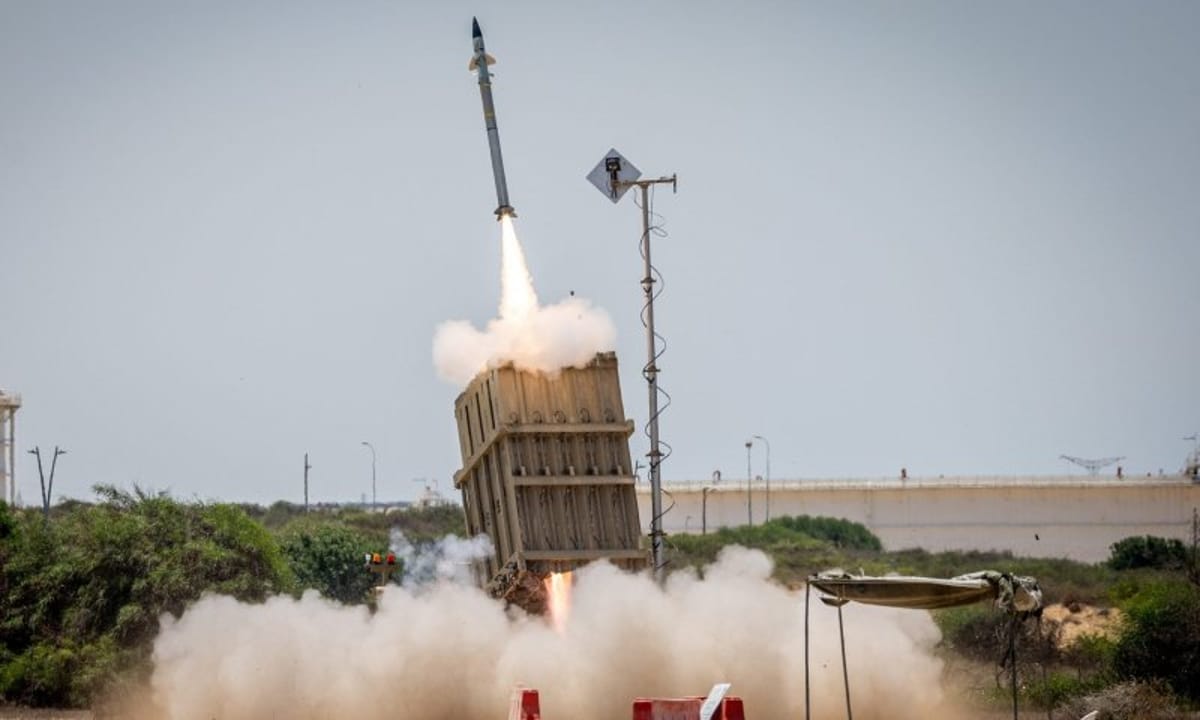
Israeli authorities have arrested a military reservist who served in one of the country's most sensitive air defense units on charges of funneling classified information about the Iron Dome system to Iranian intelligence operatives in exchange for money.
The suspect, identified as Raz Cohen, a 26-year-old Jerusalem resident, was taken into custody in a joint operation carried out by the police's Lahav 433 major crimes division and the Shin Bet domestic security agency. Cohen served as a reservist in the Iron Dome missile defense unit, giving him direct access to operational details about the system that serves as Israel's primary shield against incoming rocket and missile fire.
Investigators revealed that Cohen had been in communication with Iranian intelligence officials for a period of several months prior to his arrest. During that time, he allegedly carried out multiple security-related tasks at the direction of his Iranian handlers, transferring sensitive information about his military service in the air defense unit. The intelligence he is accused of passing along pertained directly to the operational workings of the Iron Dome, the very system now at the center of Israel's defense against Iranian missile barrages.
The arrest lands at a moment of extreme vulnerability for Israel's home front. With the country engaged in an active military confrontation with Iran, the integrity of its missile defense architecture has never been more consequential. Any intelligence reaching Tehran about the Iron Dome's capabilities, blind spots, or deployment patterns could have direct implications for the effectiveness of Iranian strikes targeting Israeli population centers.
The case also raises uncomfortable questions about counterintelligence screening within the Israel Defense Forces' reserve system. That a serving reservist in one of the military's most critical defensive units could allegedly maintain sustained contact with enemy intelligence agents, and carry out assignments on their behalf, points to potential gaps in the vetting and monitoring of personnel with access to highly classified defense systems.