An emergency diplomatic intervention joint, archived by the United States and Qatar has successfully established a renewed cessation of hostilities along the northern border, scrambling to prevent a total collapse of the broader Washington, Tehran nuclear framework. International diplomatic sources confirmed that both Israel and Hezbollah agreed to a synchronized freeze on active combat operations, which went into effect today at 4:00 PM local time. This critical stabilization mechanism was introduced immediately after high, level nuclear discussions in Switzerland were pushed to the brink of dissolution due to a massive wave of retaliatory strikes executed across southern Lebanon.
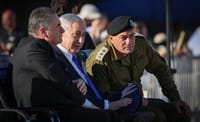
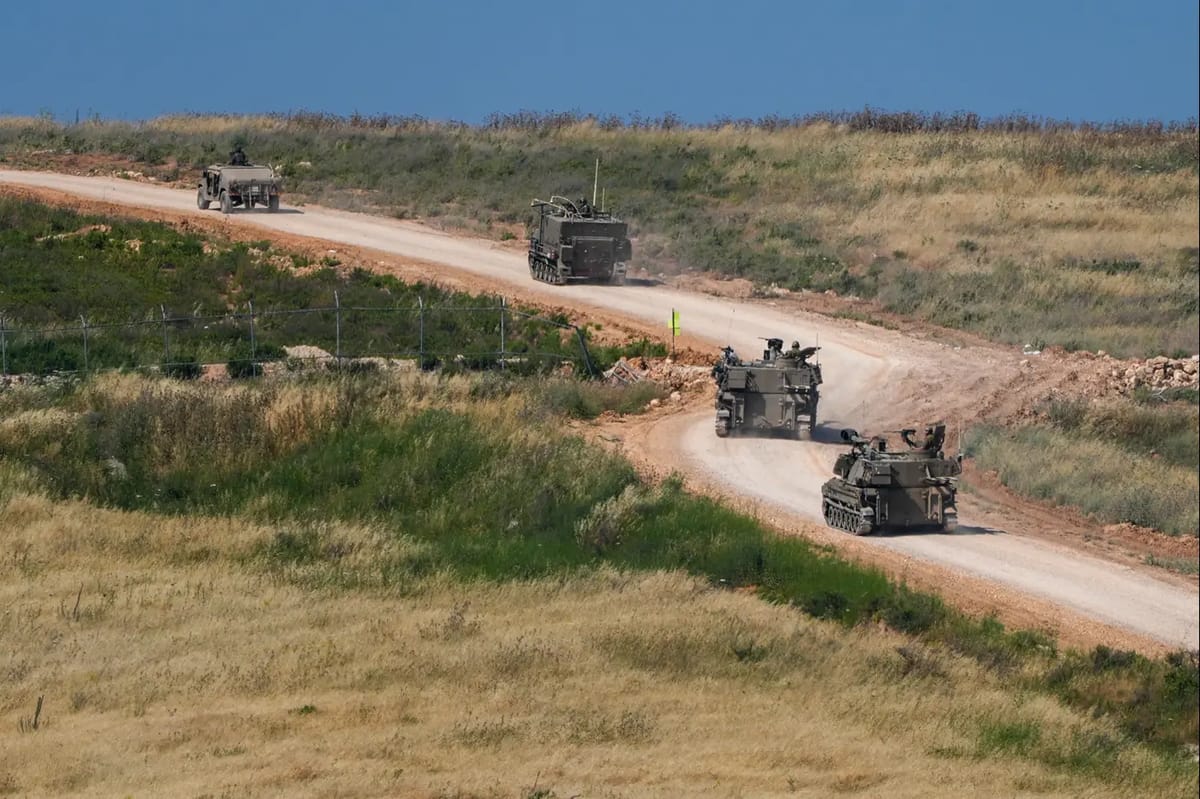
A senior Israeli official directly validated the operational details of the arrangement while establishing strict strategic boundaries regarding future military posture. The representative clarified the state's official position, declaring that "we are currently in a ceasefire, if Hezbollah does not attack us, from our perspective it is not wartime." Despite the halting of active aerial bombardments, the defense leadership emphasized that the security footprint will not be altered, adding that "IDF forces remain in southern Lebanon and we have the freedom to act against emerging threats and threats to our forces and our territory."
This fragile breakthrough materialized shortly after the White House transmitted a confidential memorandum to the Iranian leadership, assuring them that Jerusalem did not intend to escalate the localized war into a full, scale regional deployment. American mediators have laid the blame for the recent breakdown entirely on regional proxy networks while emphasizing that the current freeze represents a final opportunity for stability. A senior official familiar with the backchannel text explained the diplomatic messaging, stating that "Hezbollah violated the ceasefire, Israel responded, and agreed to leave things as they are," concluding that "this message was passed to the Iranians, and now the responsibility is in the hands of Hezbollah, who need to stop."
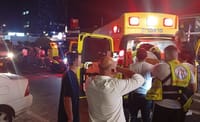
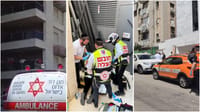
The severe escalation that preceded the four o'clock truce began during a complex ambush in the southern Lebanese village of Tibnit, where an unidentified projectile scored a direct hit on a main battle tank under the command of the Givati Brigade. The tactical engagement claimed the lives of four armor personnel, including the commander of the 52nd Armored Battalion, Lieutenant Colonel Dor Gedalia Ben Simchon. In immediate response to the lethal encounter, the military high command unleashed a punishing aerial campaign targeting eighty distinct military positions, flattening tactical command centers, and neutralizing two operatives attempting to escape on a motorcycle after launching rockets from a nearby launch site, which was subsequently vaporized.
The rapid implementation of the ceasefire reflects the intense pressure felt within the Trump administration, which viewed the border violence as a direct threat to its flagship international treaty. The sudden flare, up had forced senior American and Iranian delegates to abruptly cancel their departures for the Swiss summit after Tehran warned that the Lebanese arena represents a central and critical axis regarding the existence, continuation, or absolute halt of the nuclear negotiations. With the emergency truce now holding, international mediators are working frantically to return both delegations to the negotiating table, utilizing the fragile calm to stabilize the broader geopolitical architecture.