Former Israeli military intelligence chief Maj. Gen. (res.) Tamir Hayman has disclosed that Israel was on the brink of launching strikes against Iran on two separate occasions in recent weeks, amid heightened tensions and mutual fears of preemptive actions.
In a candid radio interview, Hayman highlighted the razor-thin margin that averted direct confrontation, attributing the close calls to potential miscalculations on both sides. Hayman, who previously led the IDF's Military Intelligence Directorate and now serves as executive director of the Institute for National Security Studies (INSS), explained that Iran's increased readiness and Tehran's paranoia over a possible "surprise" Israeli operation created a volatile atmosphere.
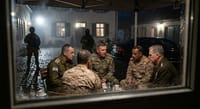
"Those near-escalations have pushed Israel and Washington into tighter coordination precisely to prevent the 'surprise' scenario Iran fears most," he noted, emphasizing how these incidents strengthened military ties between the IDF and U.S. forces to avoid unintended escalation.The revelations come against the backdrop of lingering fallout from the June 2025 Israel-Iran war, which demonstrated Iran's resilience in absorbing strikes and retaliating, while exposing vulnerabilities in Israel's home front.
Hayman warned that Iran's current leadership, while cautious, faces internal instability, including nationwide protests and a communications blackout, that could lead to unpredictable shifts if regime changes occur.
Looking ahead, Hayman outlined a spectrum of potential U.S. and Israeli responses to Iran's actions, ranging from diplomatic and informational pressure, to cyber operations, or even military steps.
He also pointed to an "information battlefield," where rumors, videos, and disinformation from Iran could exacerbate tensions, especially amid accusations that the U.S. and Israel are fomenting unrest.Iranian officials have framed the situation as a multi-front battle, economic, cognitive, military, and anti-terrorism, blaming foreign powers for domestic turmoil.
Reports indicate Iran is rebuilding its missile capabilities post-2025 war, potentially shortening warning times for future conflicts.
Tehran has warned that any U.S. intervention could prompt retaliation against Israeli and American targets, raising the stakes for escalation.
As protests grip Iran and global eyes watch, Hayman's insights highlight the fragile balance in the region: A symbolic strike could invite response without deterrence, while heavier action risks rapid spiraling and civilian harm. For now, tighter U.S.-Israel coordination aims to keep miscalculations at bay, but with Iran's regime under pressure, the next move remains uncertain.