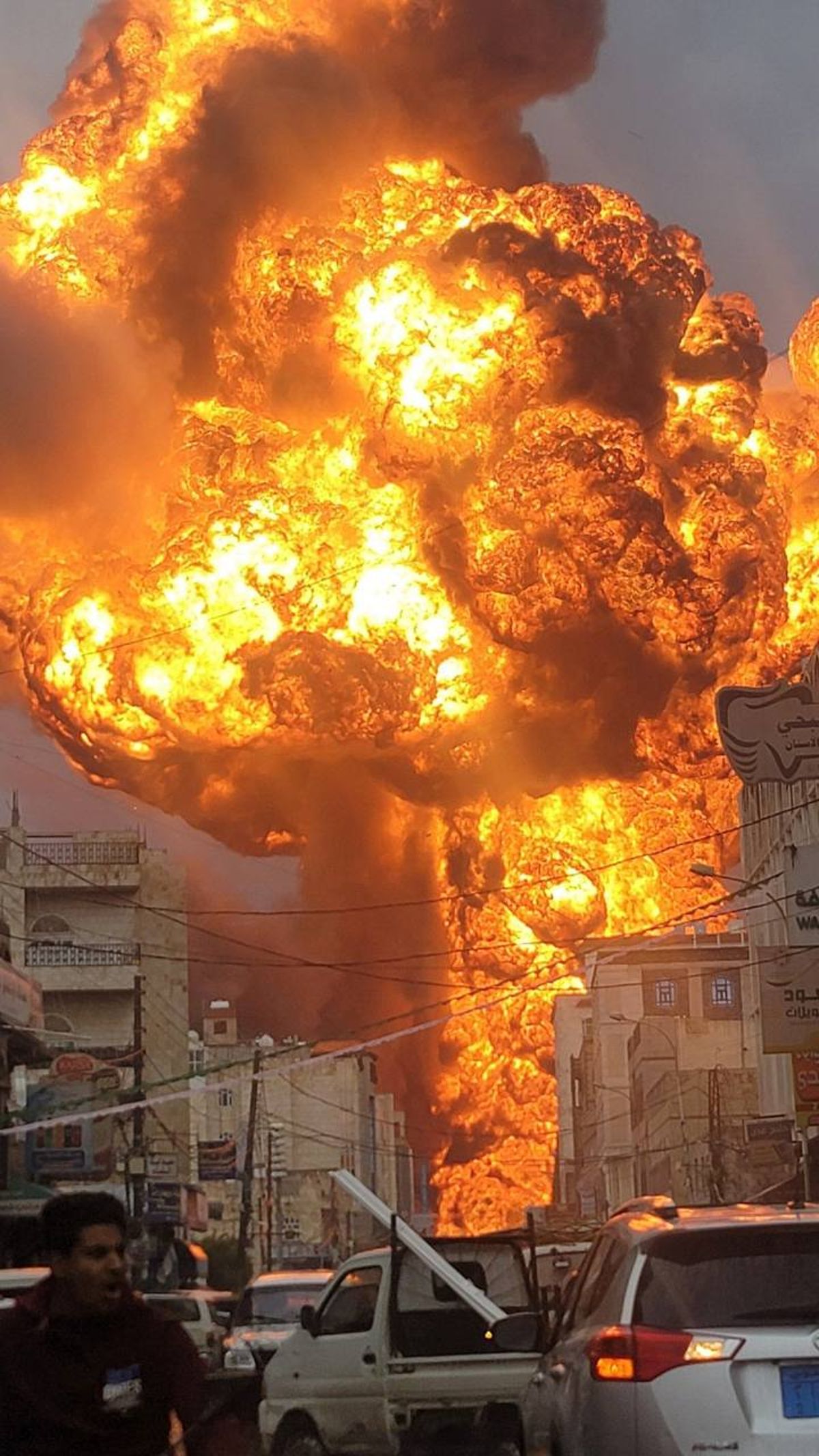
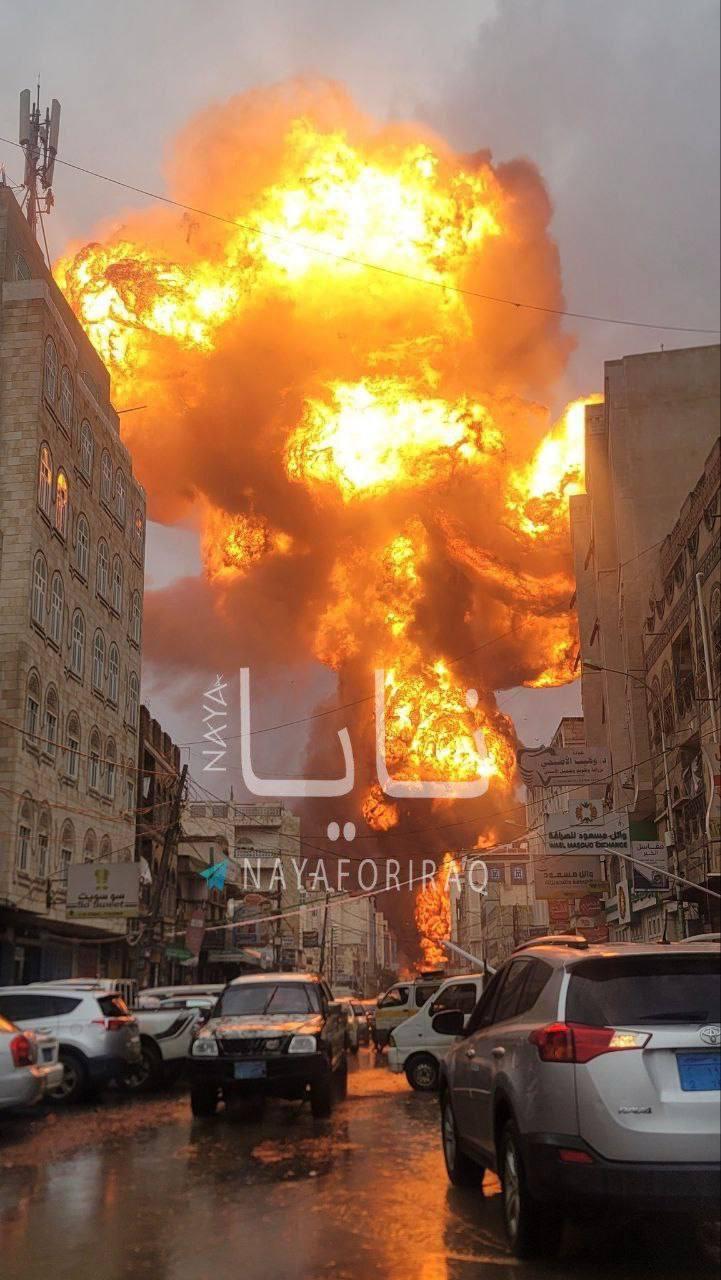
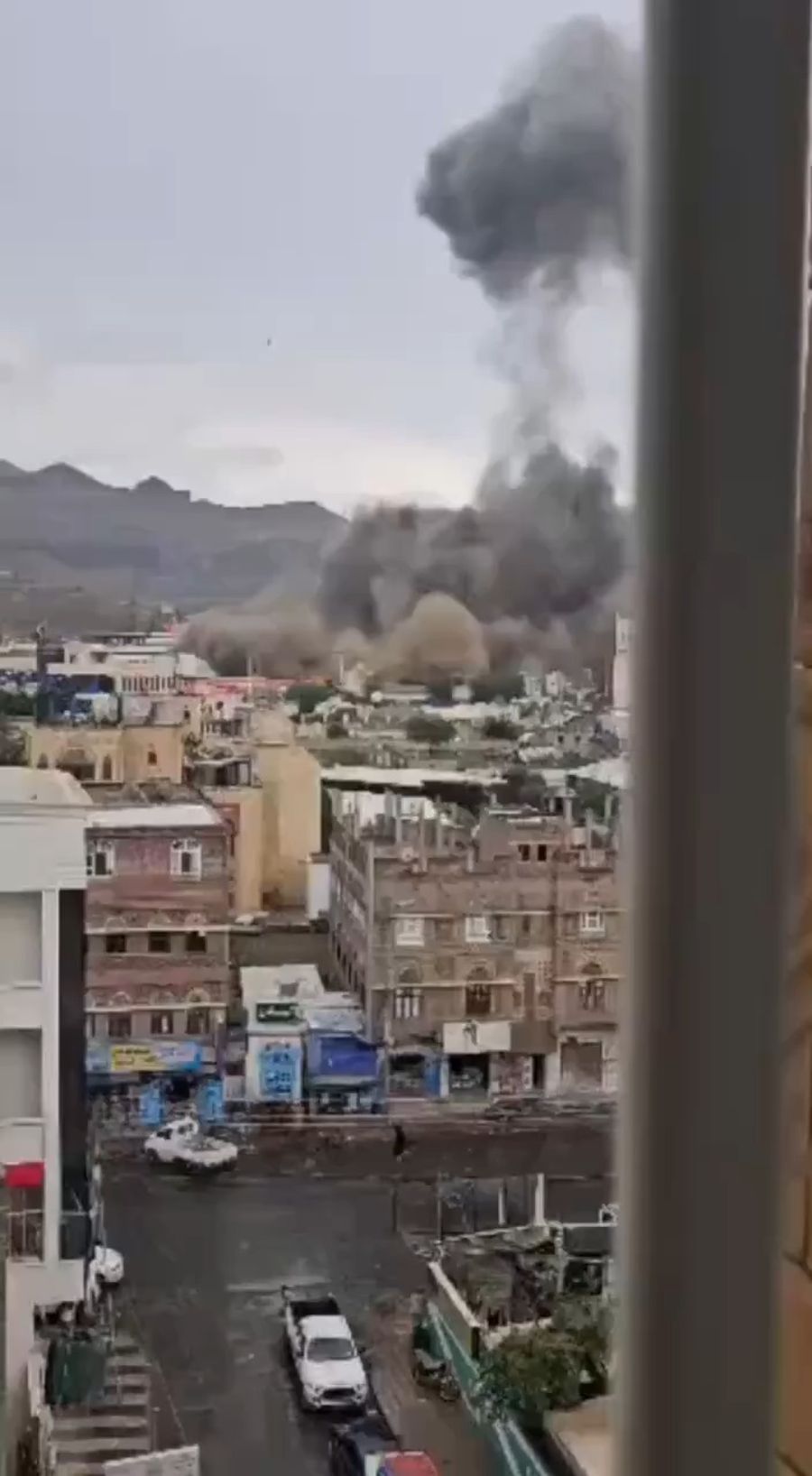
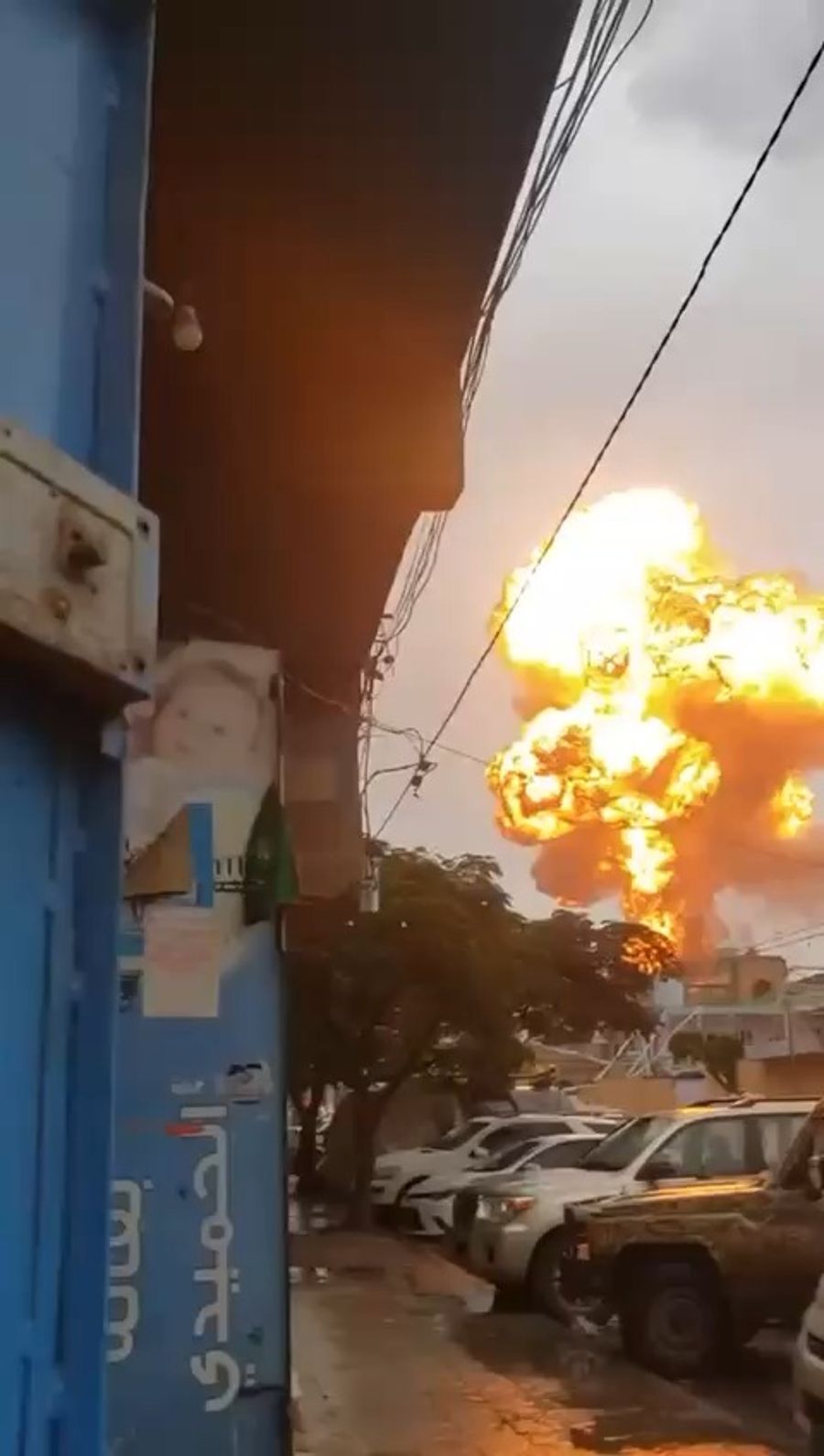
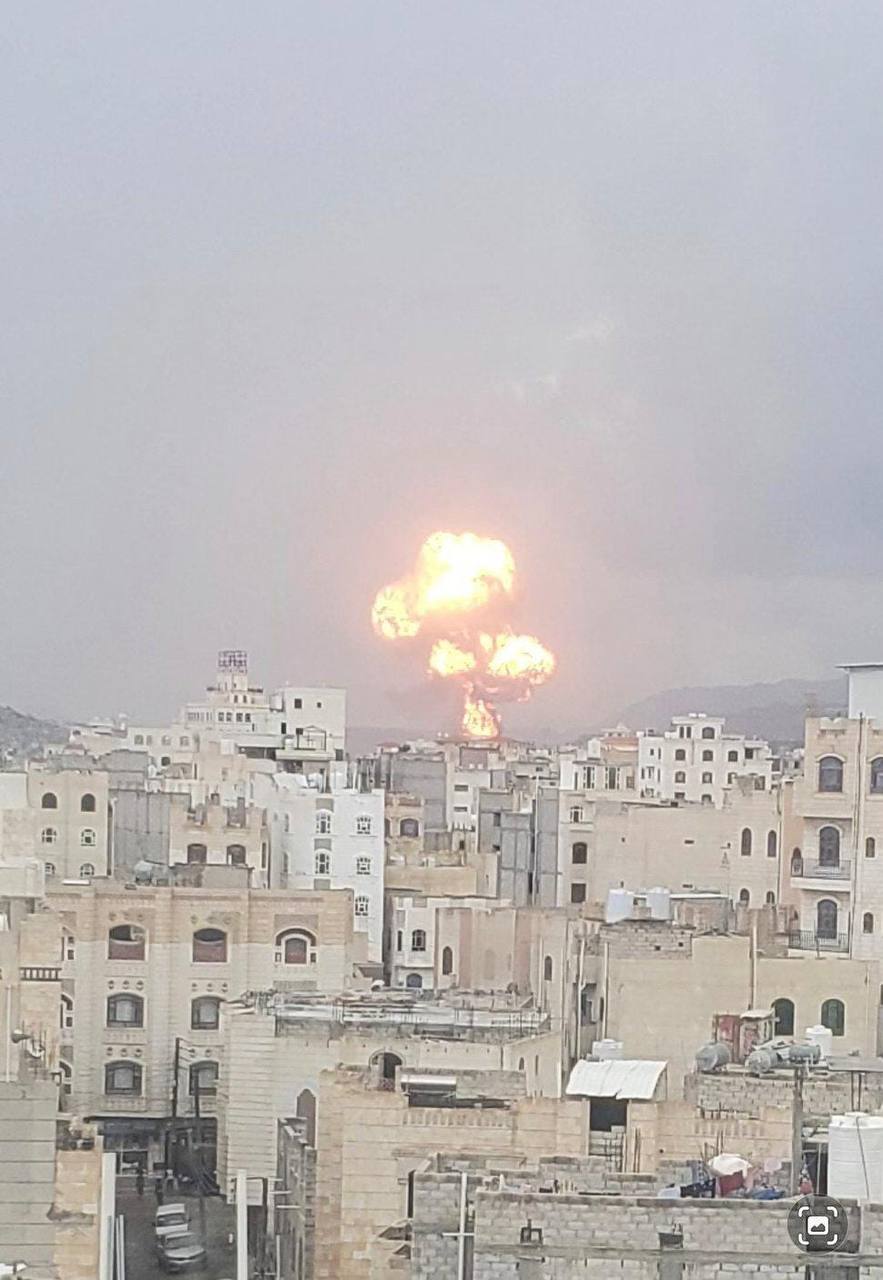
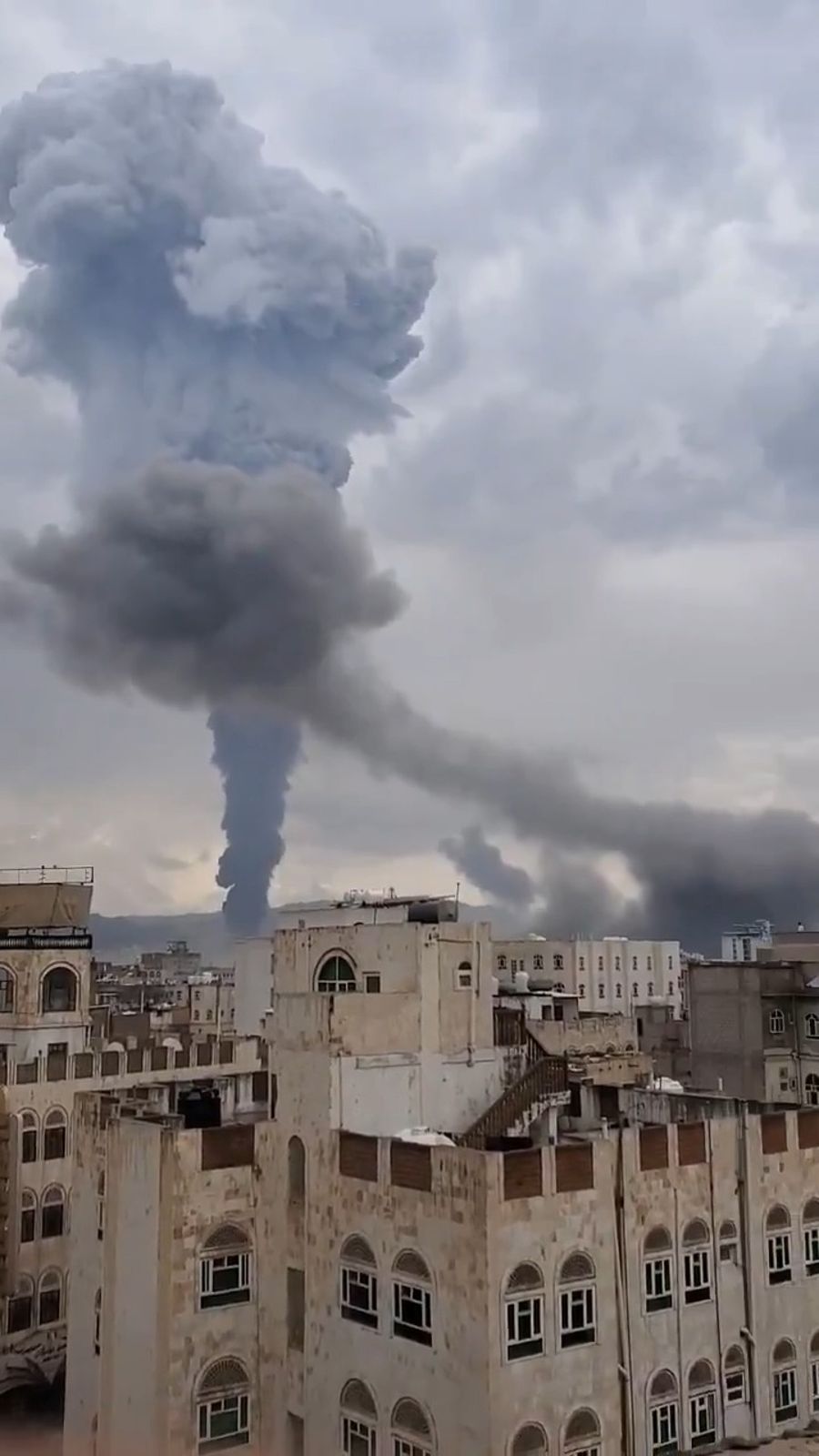
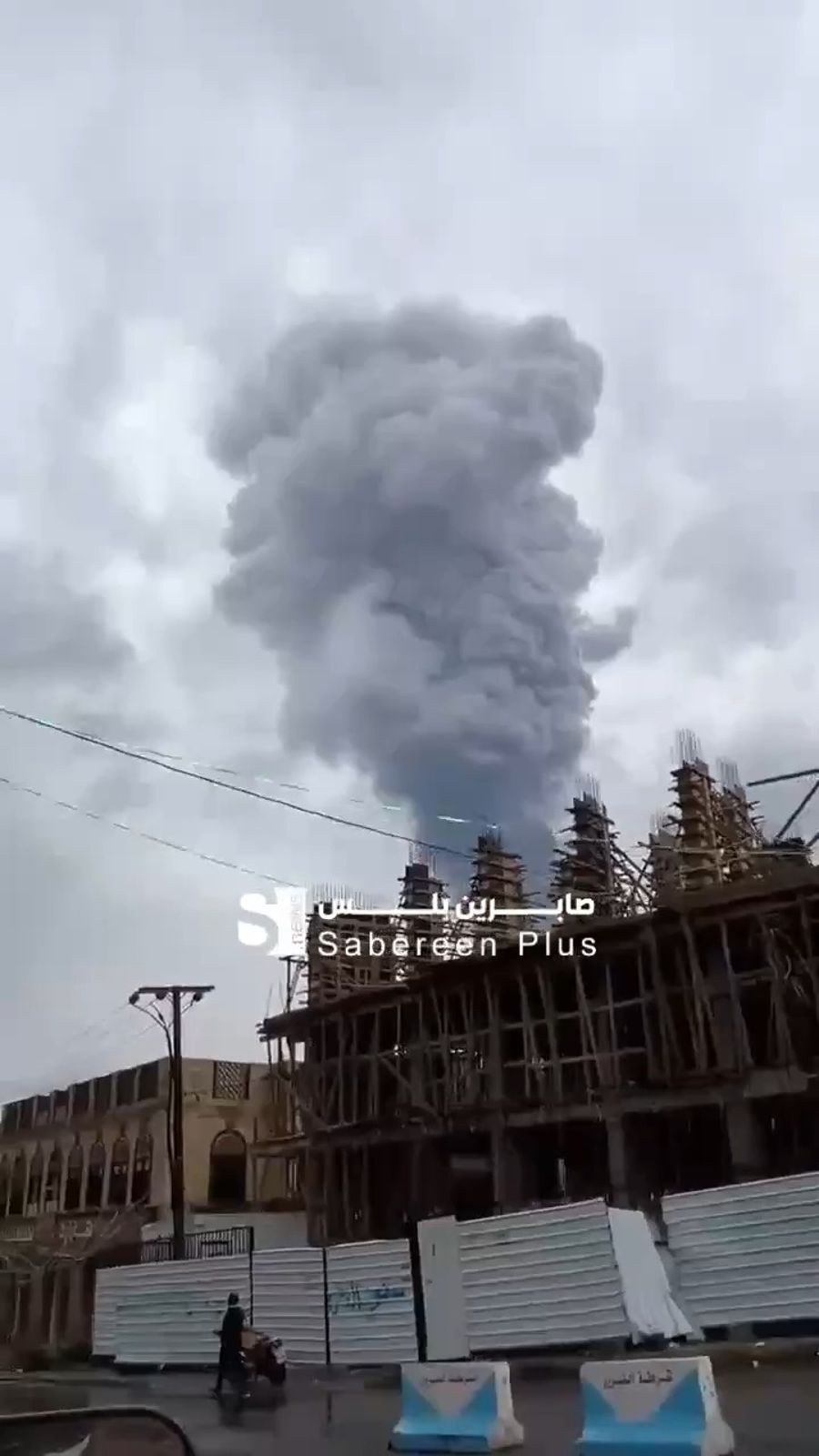
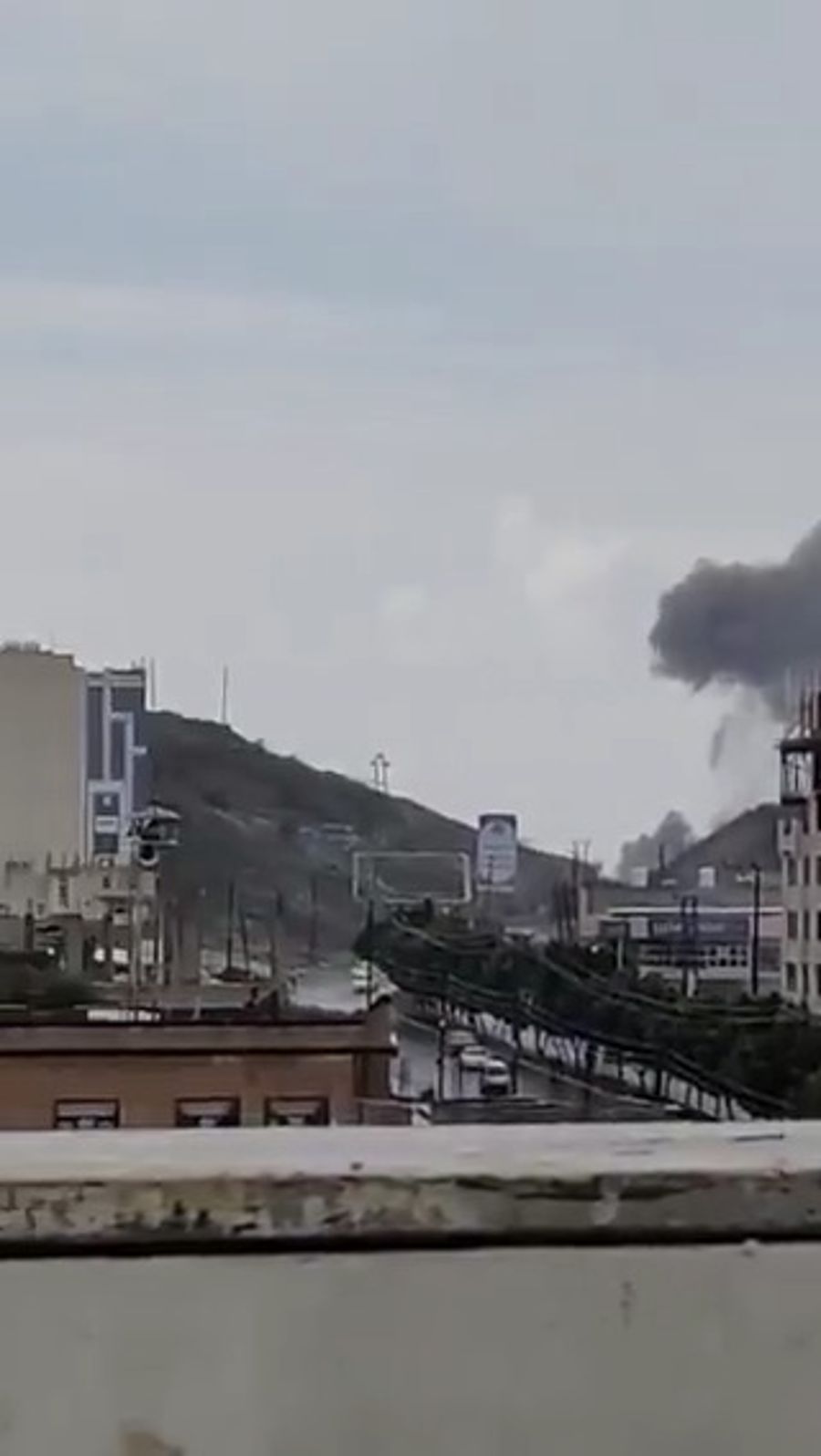
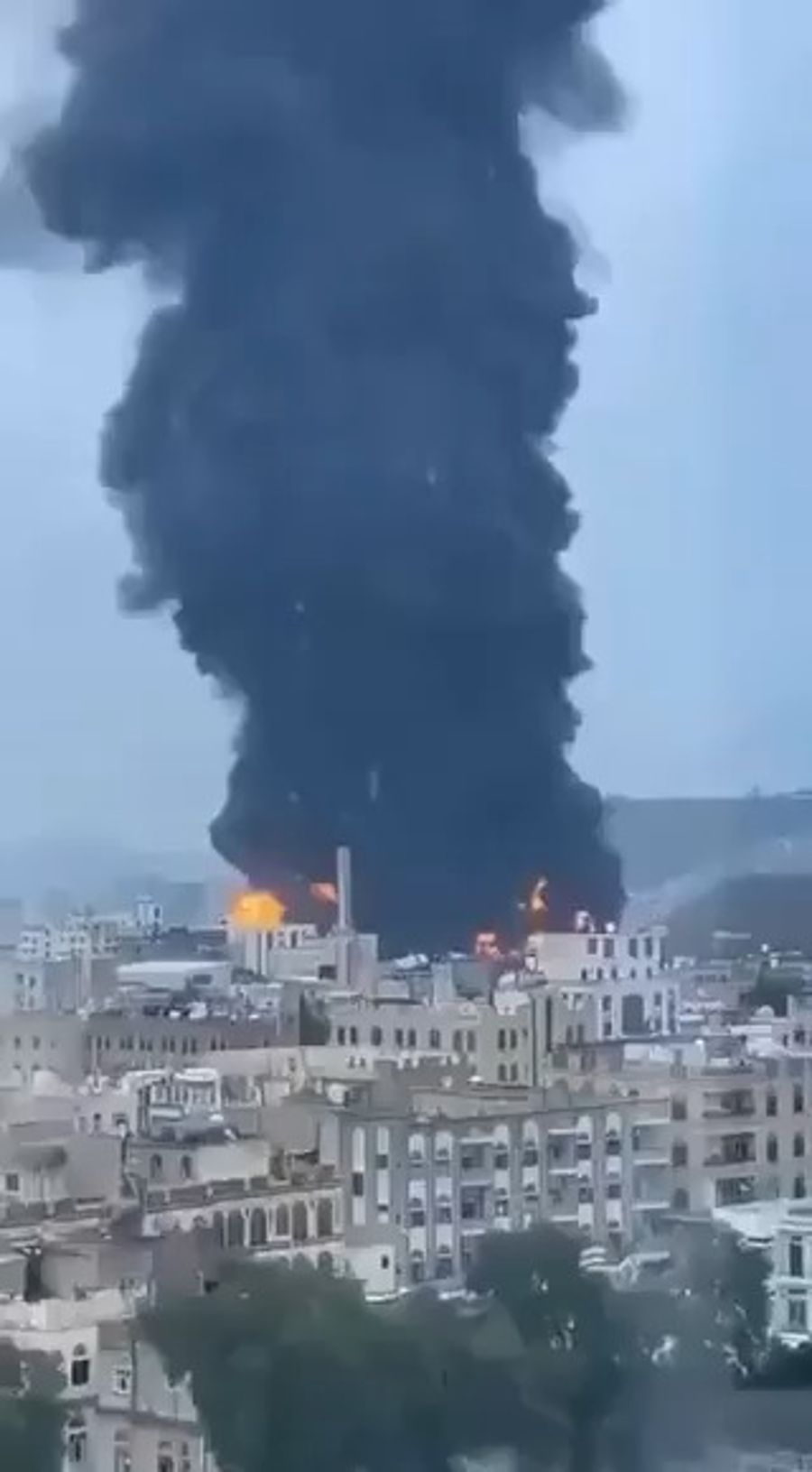
Local journalists and social media posts, shared via WhatsApp and Telegram, reported multiple explosions across Sanaa, with Israeli aircraft striking what the IDF described as terror targets. Speculation about targeted eliminations of Houthi leaders surfaced, though no specific casualties or damage details have been verified.
Israeli reporter Hallel Bitton Rosen and Doron Kadosh noted the ongoing aerial operations, with the latter confirming explosions in the Houthi capital.
Bitton-Rosen added: "Our planes attacked a military compound in the presidential palace area, a fuel storage site used by the Houthis and two power plants. We used some 23 munitions, carried by 12 aircraft."
Houthi media outlet Al-Masirah reported multiple Israeli airstrikes targeting critical infrastructure in Sanaa. According to the broadcast, attacks struck the Haziz power station and a fuel facility on Al-Sitin Street, while additional strikes reportedly hit other power and fuel stations across the city.
In response, Houthi officials accused Israel of “Zionist aggression on Sanaa” and vowed, “We promise the enemy a harsh response," per Israel Realtime.
Houthi official Mohammed al-Bouhaiti said, “The Israeli strike in Yemen will not deter us from continuing to support Gaza, no matter the casualties, because for us the matter is settled: victory in paradise or victory in hell.”
Senior Houthi Nasr al-Din Amer claimed, “Air defense systems succeeded in thwarting most of the Zionist aggression. Our military actions to support Gaza will not stop, unless the aggression ends and the siege is lifted. The strike on a civilian fuel station on a main street will have no effect on our military operations; instead, it will lead to further escalation. The Yemeni people will not retreat from their stance supporting Gaza.”
The Yemeni Oil Company announced it has taken “all necessary precautions for any emergency,” adding that fuel supplies remain stable despite recent airstrikes.
A deputy head of the Houthi information department accused Israeli forces of striking “densely populated areas,” noting that the presidential headquarters in Sanaa was empty and unused at the time. He vowed to “double our operations and hit larger targets deep inside the entity,” claiming the Houthis possess “greater military capabilities than those already used against the enemy.”
The Houthi missile, identified as a “Palestine 2” hypersonic ballistic missile, was claimed to target Ben Gurion Airport. Houthi official Nasr al-Din Amer posted a video, its authenticity unverified, showing the missile “splitting” over Israel, asserting it evaded interception.
The IDF countered that its air defense systems, including upper-layer defenses, are equipped to handle such threats, as demonstrated in prior incidents.
A Yemeni security source aligned with the Aden-based government told Ynet the missile, launched from Saada province, carried multiple warheads, possibly cluster munitions, similar to those used by Iran in June 2025.The Israeli strikes mark a significant escalation in response to Houthi aggression, backed by Iran,