Lawmakers said Sunday that a bipartisan bill establishing a special military tribunal for terrorists accused of taking part in the October 7 massacre is expected to pass its final Knesset votes, describing the planned proceedings as a historic legal process comparable in significance to the Eichmann trial.
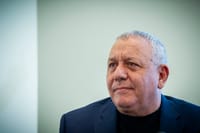
Justice Minister Yariv Levin, Constitution, Law and Justice Committee chairman Simcha Rothman, and Yisrael Beytenu MK Yulia Malinovsky held a joint press conference ahead of the bill’s second and third readings, scheduled for Monday evening.
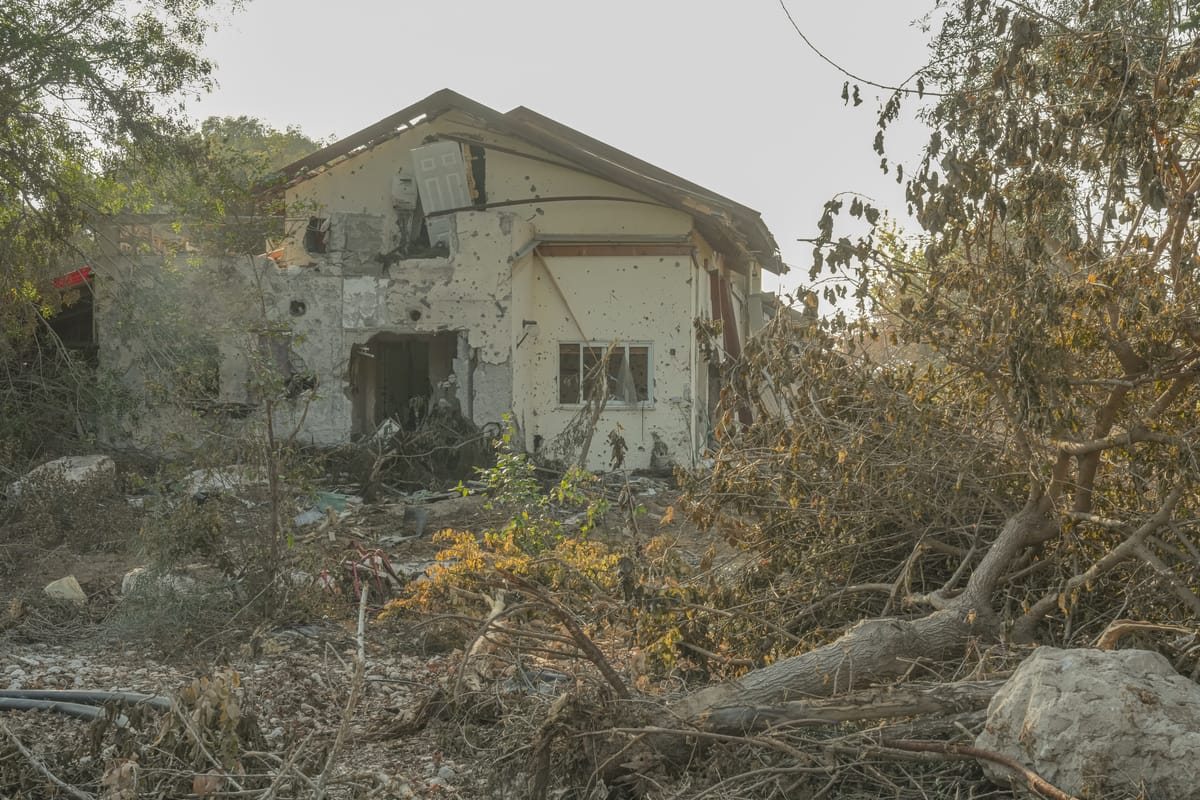
The legislation would create a special military tribunal to try roughly 300 terrorists captured inside Israel after the October 7, 2023 invasion. Israeli law enforcement and prosecution officials have spent more than two years weighing how to try the detainees, given the scale of the crimes, the number of defendants and the need to preserve evidence for the historical record.
Levin said the bill was meant not only to deliver justice, but also to ensure that the massacre is documented for future generations.
The legislation, he said, would preserve the record of the victims, the hostages and those responsible. He added that the bill had gained broad support across coalition and opposition lines, giving the proceedings national legitimacy.
Levin said the tribunal would be designed to meet international standards and gain recognition abroad, especially in the United States, while also allowing the cases to move forward efficiently despite the large number of defendants.
Under the bill, the tribunal could charge the accused with offenses including genocide under Israel’s 1950 Law for the Prevention of Genocide, harming Israeli sovereignty, causing war, aiding an enemy during wartime and terrorism offenses under Israel’s 2016 counterterrorism law. Conviction on genocide charges could carry the death penalty.
Rothman called the bill a clear message to Israel’s enemies, citing the biblical verse, “I will pursue my enemies and destroy them, and I will not return until they are consumed.”
Malinovsky described the planned trials as a “modern Eichmann trial,” referring to Israel’s 1961 trial of Nazi official Adolf Eichmann, one of the architects of the Holocaust. Eichmann was convicted and executed after being captured by Israeli agents in Argentina and brought to Israel.
Malinovsky said the October 7 cases required separate legislation because the massacre was an exceptional event. She noted that the bill relies on offenses that already existed in Israeli law at the time of the attack, since criminal laws cannot be applied retroactively.
Each case would be heard by three judges, led by a retired district court judge. Appeals would be heard by a separate tribunal appeals bench. The trials would be public and broadcast on a dedicated website.
The bill also bars the release of suspects, defendants or convicts in October 7 cases as part of future prisoner release agreements.