Cash Money
Shekel Reaches Historic High Against Dollar
The Bank of Israel set the representative rate at NIS 3.057 to the dollar on Friday, while forward markets are already pricing the currency closer to NIS 3.03. The shekel has gained more than 20 percent against the dollar this year, making it one of the best-performing currencies globally.

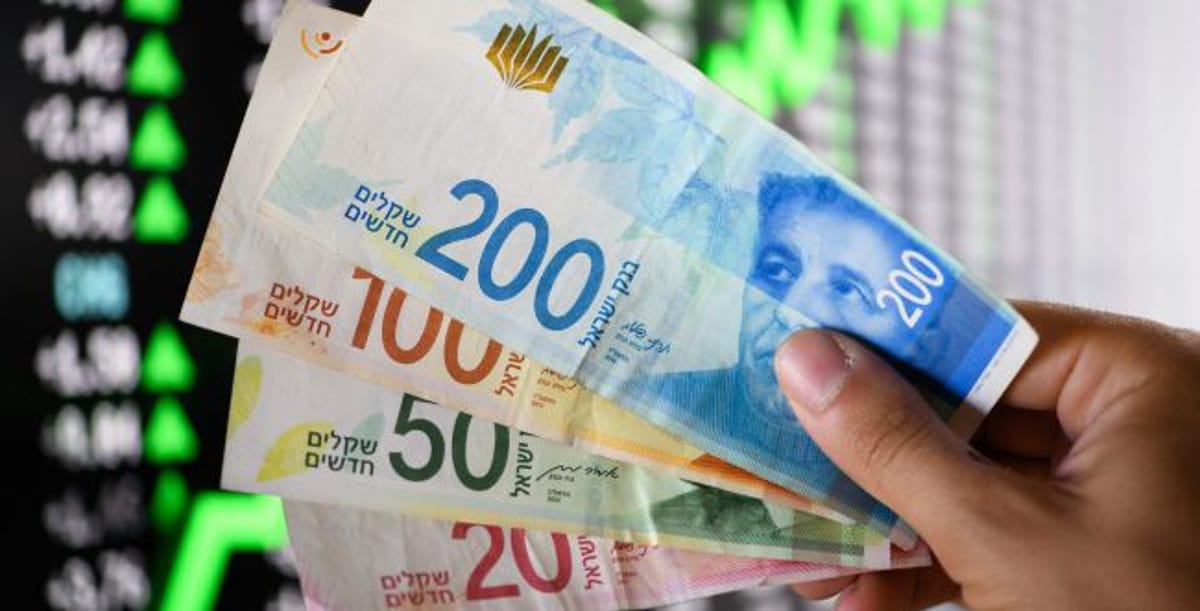
The Israeli shekel has reached its strongest level against the US dollar in three decades, raising the possibility that it could soon break below the NIS 3 per dollar threshold for the first time in modern history.
The Bank of Israel set the representative rate at NIS 3.057 to the dollar on Friday, while forward markets are already pricing the currency closer to NIS 3.03. The shekel has gained more than 20 percent against the dollar this year, making it one of the best-performing currencies globally.
Analysts attribute the surge to a combination of geopolitical and economic factors. The recent ceasefire with Iran and ongoing negotiations involving Lebanon have reduced Israel’s perceived risk, while broader global weakness in the US dollar has further strengthened the local currency.
Market forecasts increasingly point toward further appreciation. Israel Discount Bank has projected a range of NIS 3 to 3.12 per dollar by the end of 2026, while other analysts have suggested the shekel could move below NIS 3 sooner than expected. Some economists have even floated more extreme scenarios, arguing that major regional shifts could drive the currency significantly stronger.
Beyond geopolitics, financial flows have also played a key role. Institutional investors in Israel have reduced their foreign currency exposure, including record levels of foreign exchange sales in late 2025. At the same time, foreign investment in Israel has risen sharply, reaching $39 billion in net inflows in 2025.
A stronger shekel carries mixed implications for the economy. On the positive side, it helps contain inflation, which has remained within the Bank of Israel’s target range of 1 to 3 percent. However, it can also weigh on exporters by making Israeli goods more expensive abroad.
Attention is now turning to whether the Bank of Israel will intervene to weaken the currency. Options include purchasing foreign currency or adjusting interest rates, though such moves may be complicated by international pressures, particularly from the United States, which has discouraged currency market intervention.
Despite the current momentum, analysts caution that volatility remains likely, especially if tensions with Iran escalate again or negotiations in the region break down.