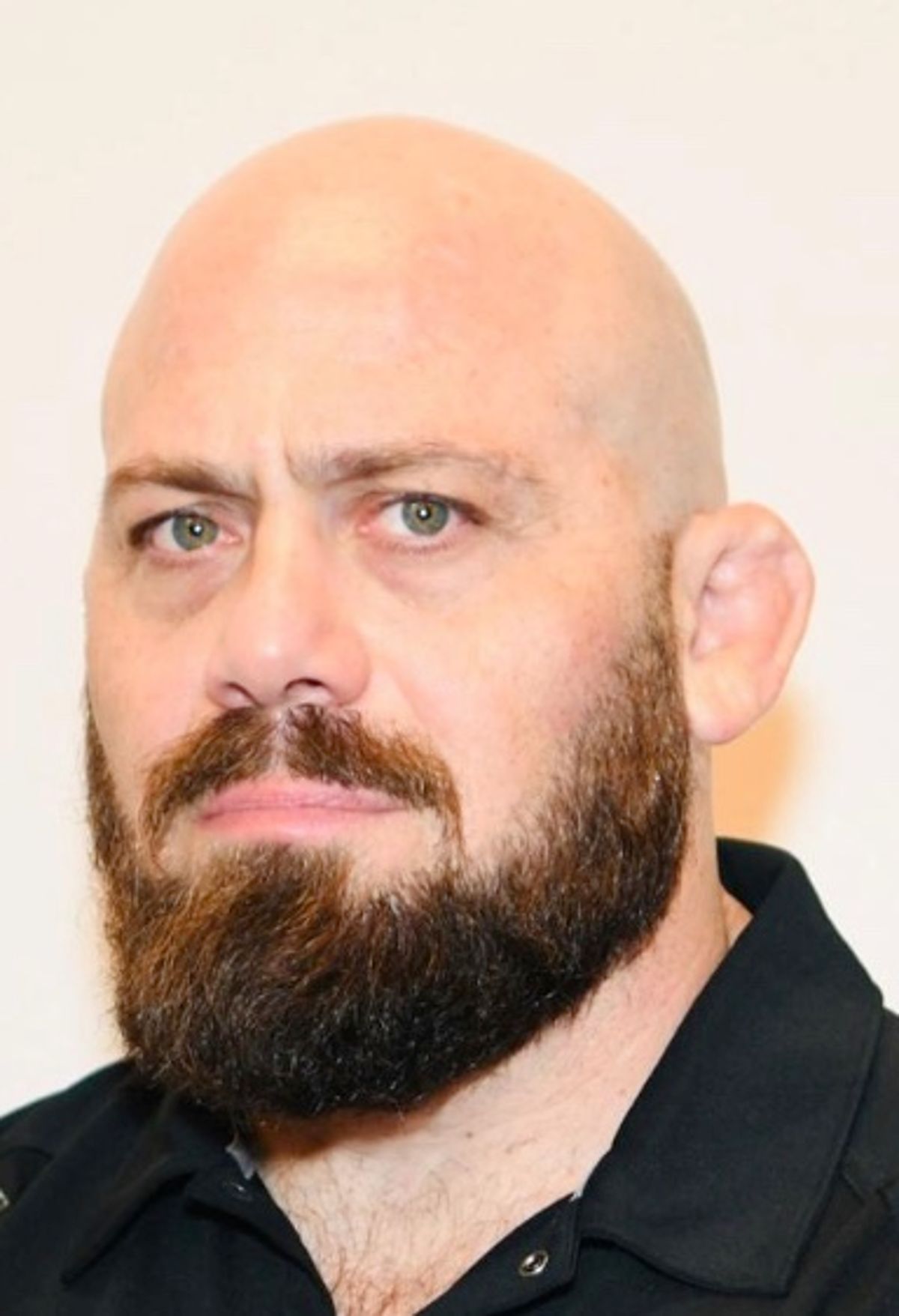
Sagi has turned a standard rehab facility into something between a boxing gym and a warrior's dojo. At 46, when he could be anywhere else, he spends most of the day, five days a week, helping wounded soldiers rediscover their strength - all without drawing a salary.
Sagi is a man on a mission, so busy he doesn't even have time to feel depressed even though he faces the grueling reality of the cost of war, day in and day out, seeing things that would shatter even the bravest hearts.
"I don't tell them anything I don’t believe," he says, adjusting training pads for his next session. "I believe in what I say 100%, and it translates - they believe it because I believe it."
This raw authenticity has become his trademark, earned through years of military leadership in a unit so elite it remains classified. Even so, the IDF has very specific qualities they look for when selecting elite soldiers and commanders: extraordinary physical and mental strength, courage and innate leadership, and Sagi has all of those qualities and more in spades.
When Hamas attacked on October 7th, Sagi rushed to Sheba, when he discovered that some of his former soldiers were among the wounded. And he hasn't left since, sustaining his mission through personal bank loans while recently beginning to explore public speaking to generate some extra income.
"When people ask me about post-trauma, I say: "What post-trauma? We are still in a war. We haven't even gotten to the stage of post-trauma yet.""
In his transformed training space, wounded warriors like Matan, Amitay and Roee– all double amputees at different stages of recovery - find not just physical rehabilitation but a restoration of their warrior spirit.
"Life is not easy for a double amputee," he acknowledges, pushing back against superficial positivity. "They might look smiley and super positive on social media, but they're obviously not always like that."