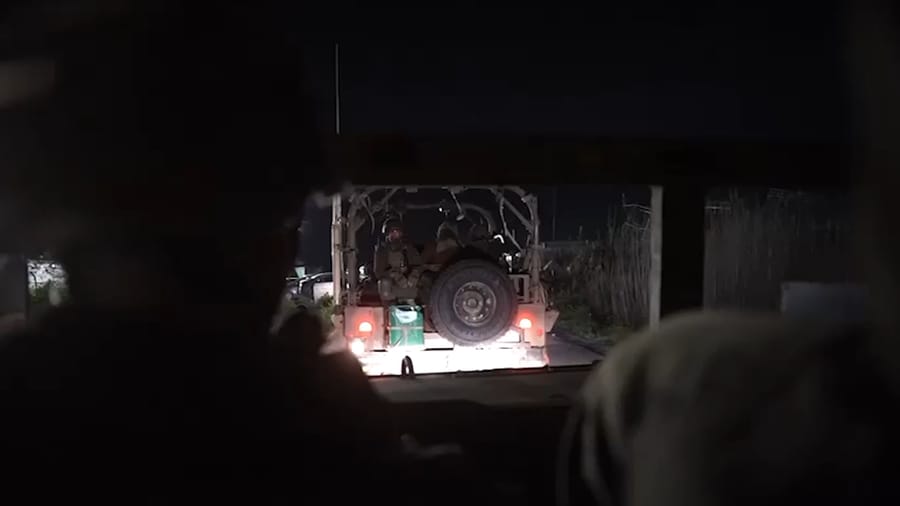
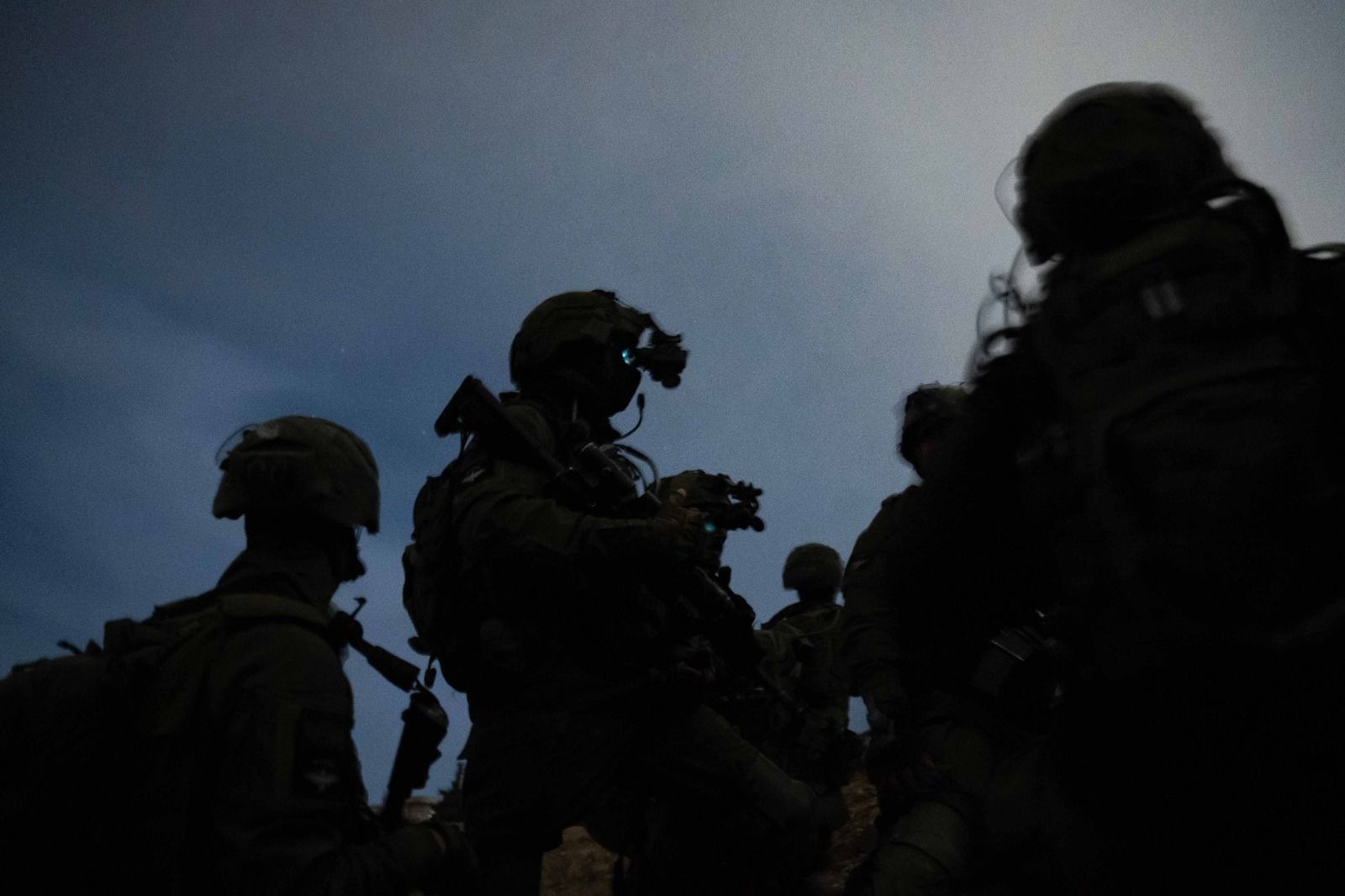
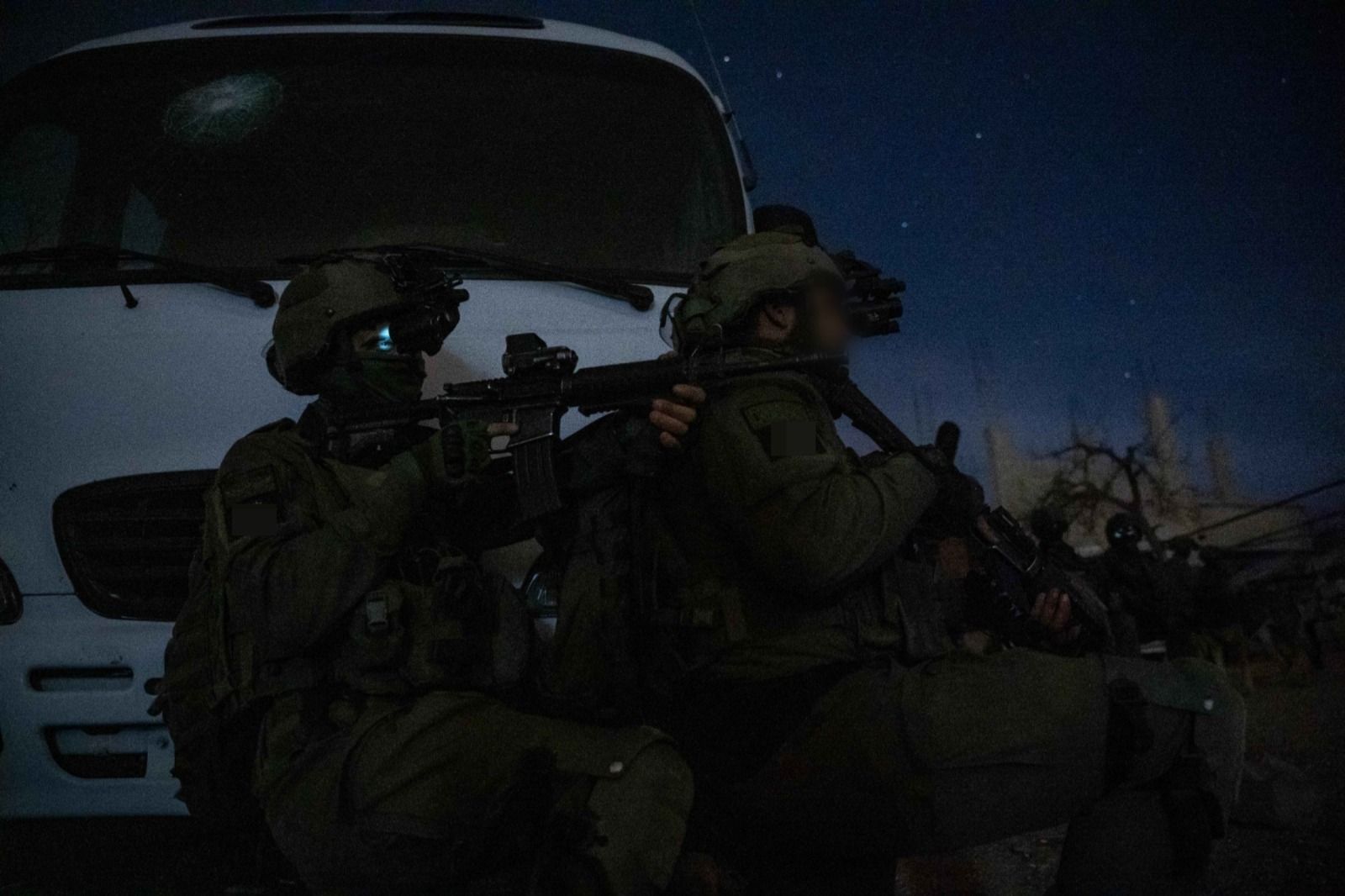
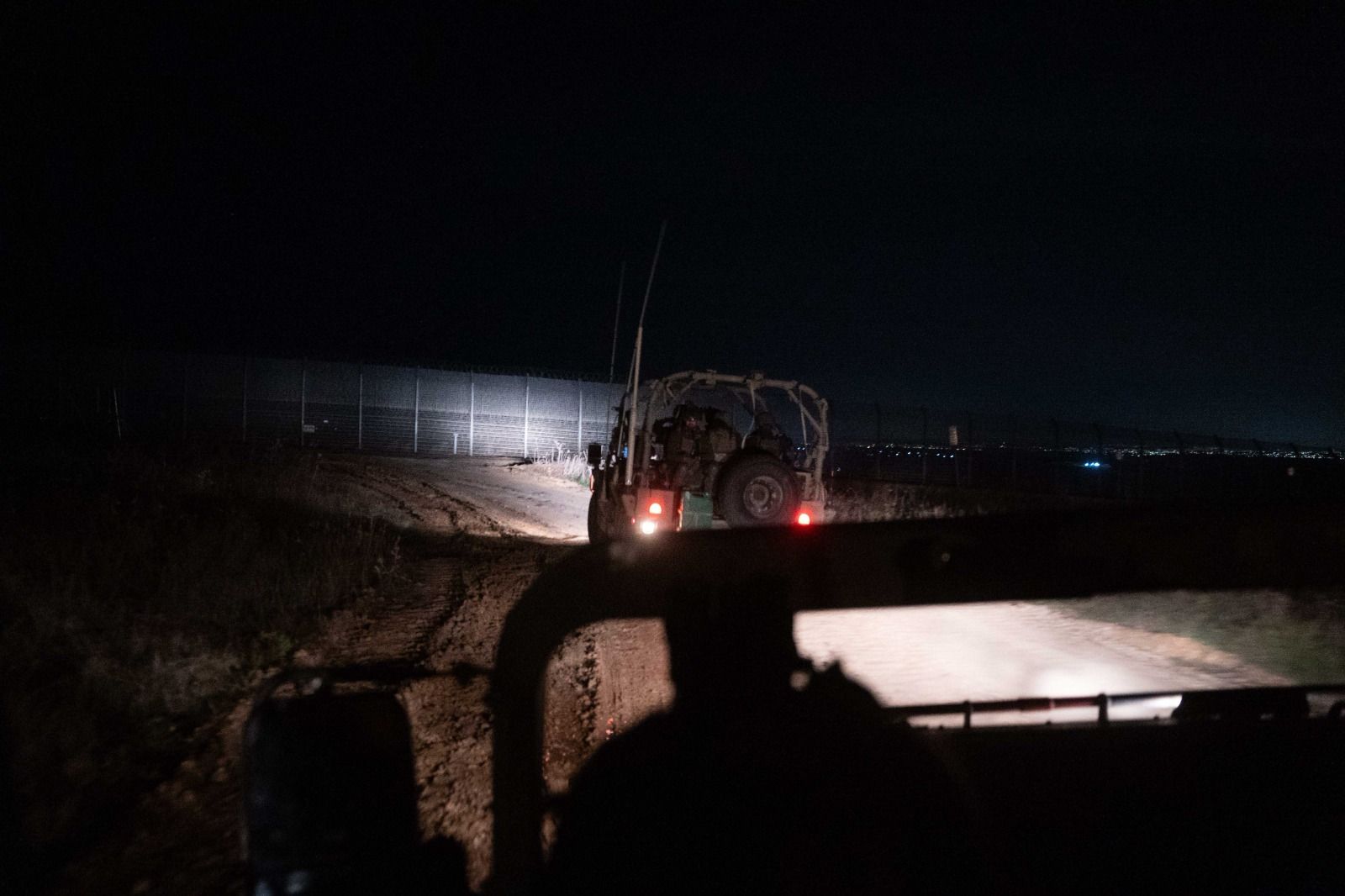
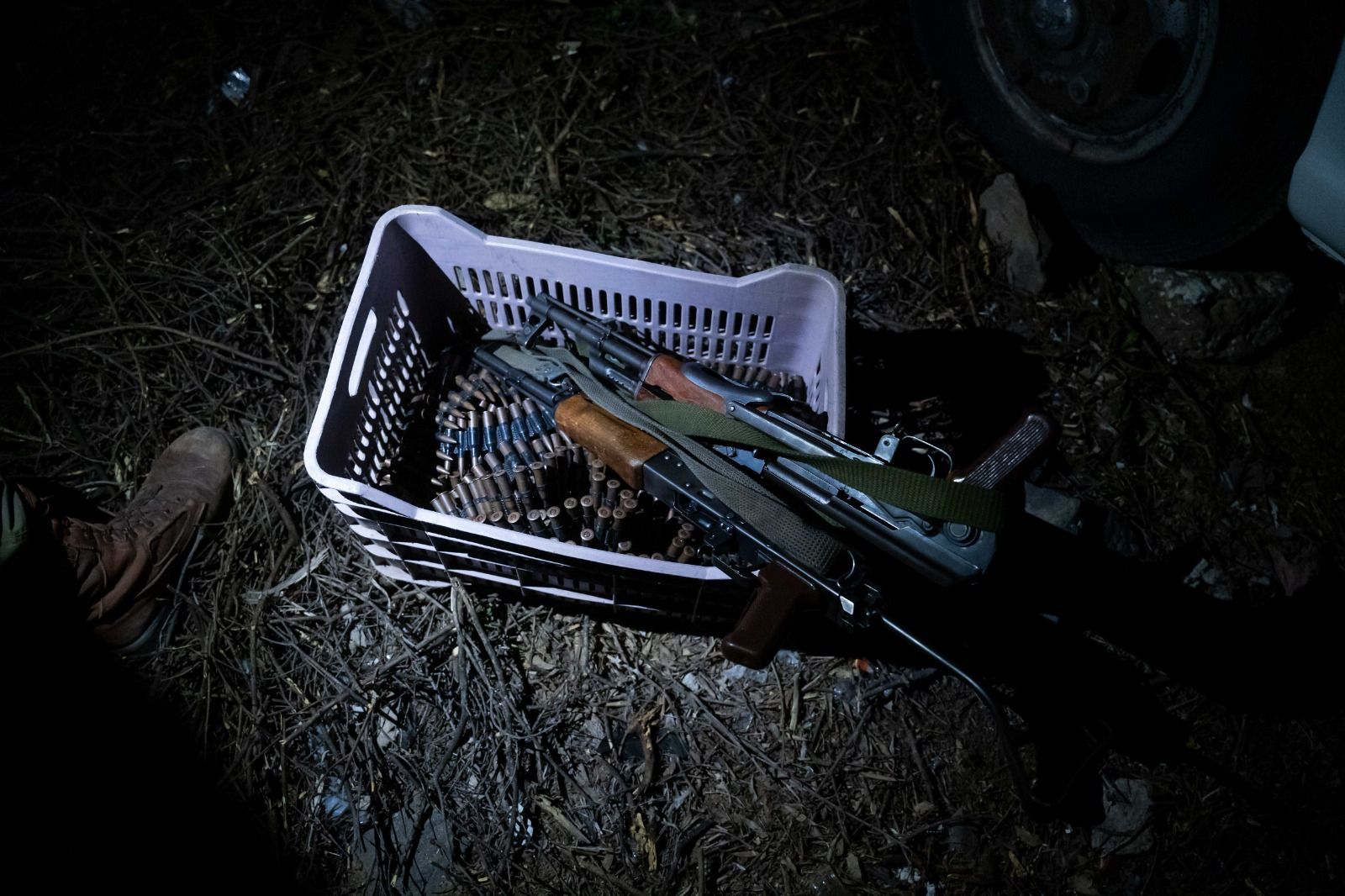
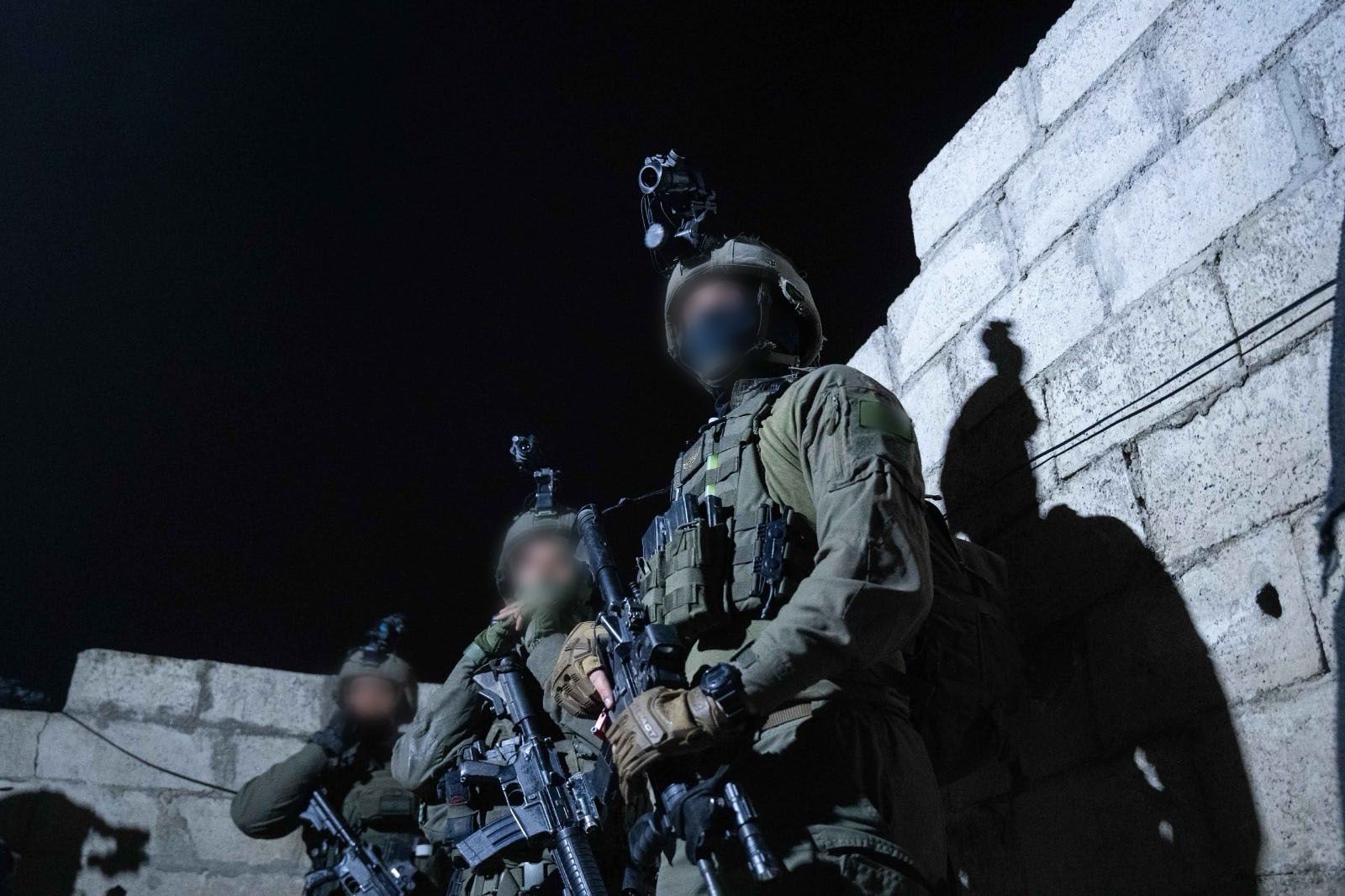
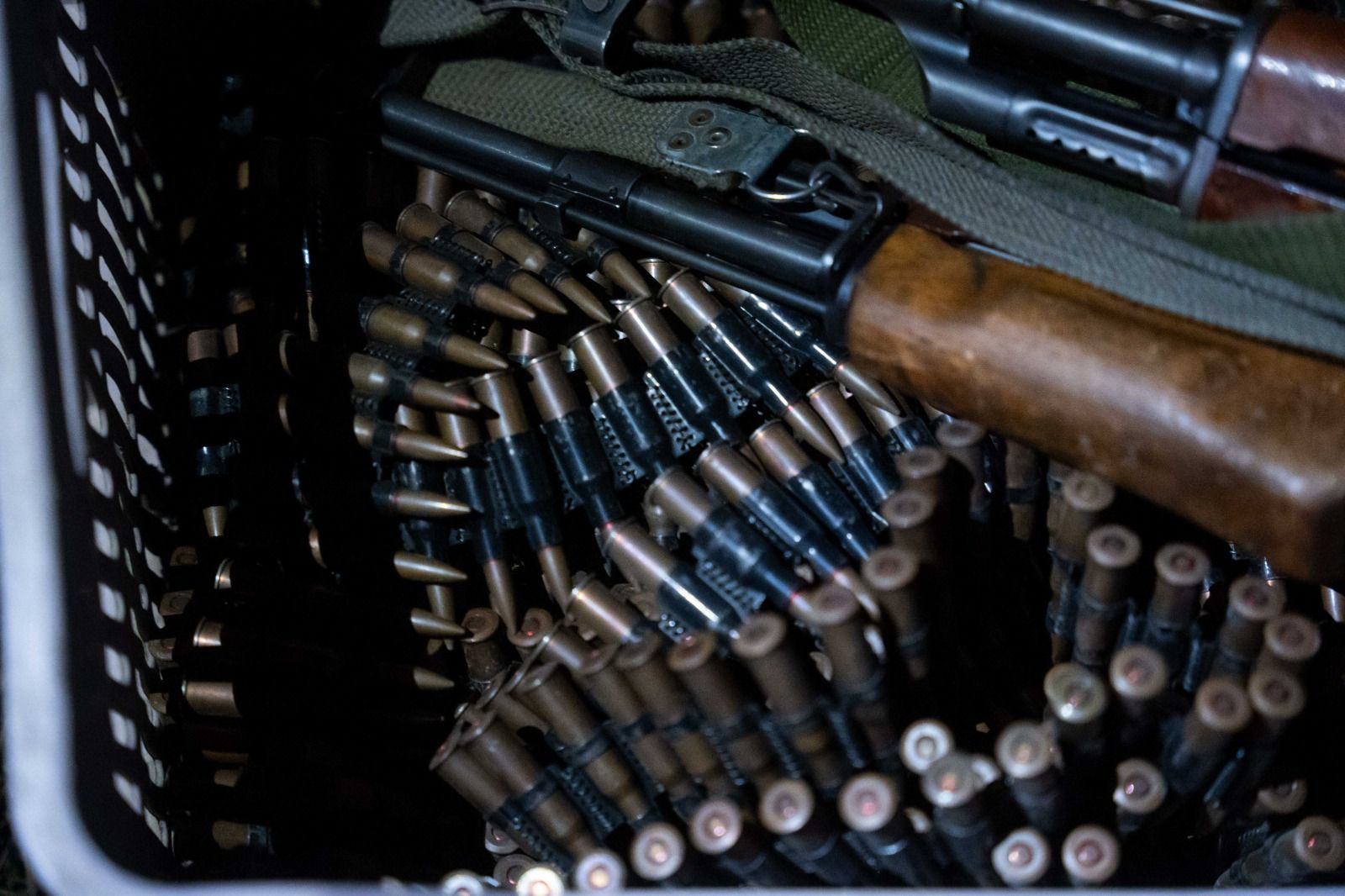
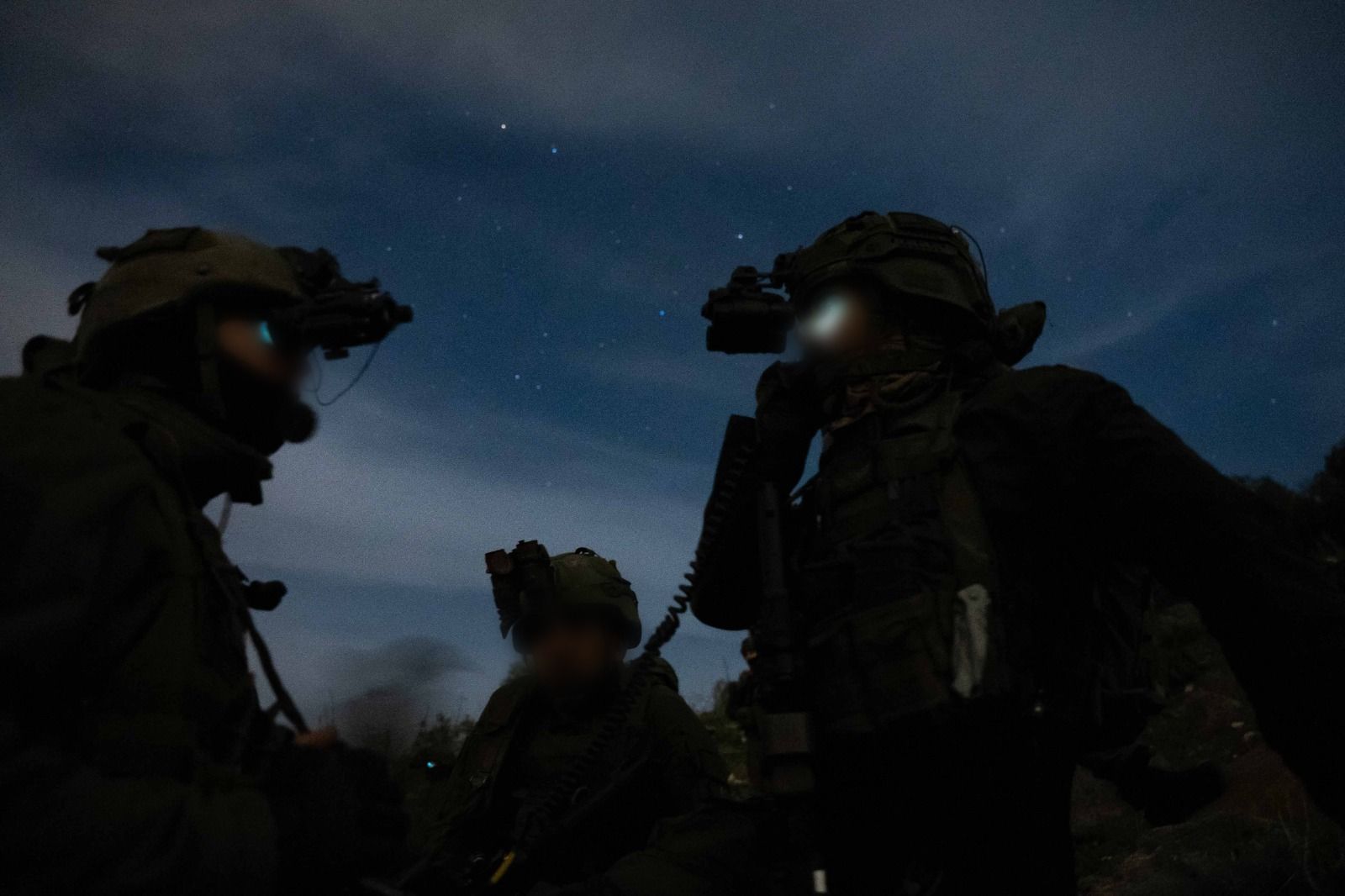
Military officials report that forces have conducted dozens of precision raids, successfully locating, seizing, and destroying various weapons systems deemed threatening to Israeli security and military personnel.
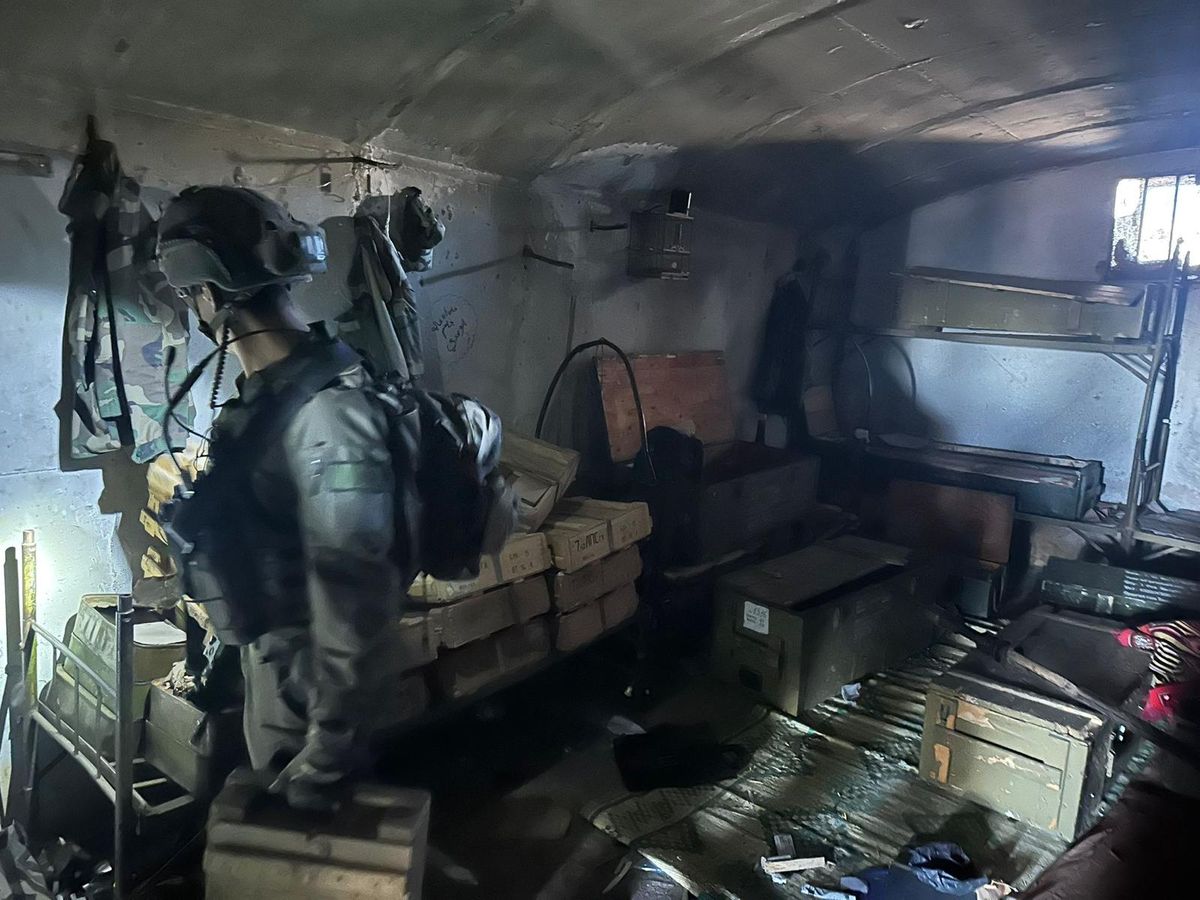
In one notable operation last week, paratroopers operating under brigade command discovered rifles, ammunition, and additional military equipment abandoned by former Syrian regime forces. All recovered materials were either confiscated or destroyed on site.
Why is the IDF in the buffer zone?
The IDF’s moves boil down to one word: security. Assad’s fall left Syria’s southern border—a stone’s throw from Israel’s Golan Heights—wide open. Netanyahu called the 1974 deal “collapsed” on December 8, 2024, as Syrian troops abandoned posts, leaving a vacuum rebels like Hayat Tahrir al-Sham (HTS), an ex-al-Qaeda affiliate now running Syria, could exploit. Israel fears jihadi groups or Iranian proxies—like a weakened Hezbollah—might fill the gap, turning the zone into a launchpad for attacks.
Mount Hermon, the highest peak at over 2,200 meters, is the crown jewel— dubbed “the eyes of Israel” by Katz—offering a panoramic view deep into Syria. Controlling it, plus towns like Quneitra, lets the IDF spot threats early. They’re not stopping there: airstrikes since December have hit Syrian weapons depots, chemical sites near Damascus, and a Hezbollah convoy fleeing to Lebanon, aiming to keep heavy arms out of hostile hands.
Netanyahu framed it as “temporary” on December 8, but just yesterday, at a military graduation, he demanded “full demilitarization” of Quneitra, Daraa, and Sweida provinces—sparking protests in Bosra al-Sham today over fears of a permanent land grab. Katz’s December 17 pledge to block “hostile forces” and connect with local Druze (who have kin in Israel) suggests a broader strategy: stabilize the area, maybe even cultivate allies, while keeping rebels and Iran at bay.
The Bigger Picture
This isn’t just about Syria’s chaos—it’s Israel flexing after hammering Hamas and Hezbollah in 2024. With Iran’s axis wobbling post-Assad, the IDF sees a chance to lock down its northern flank. Critics—like Jordan and Saudi Arabia, who slammed it as “sabotage” on December 10—say it’s a violation of the 1974 accord, a view the UN echoes, calling it “occupation” regardless of duration. The U.S., though, shifted from early unease to backing Israel’s “self-defense” by December 12, per Voice of America, aligning with Trump’s pro-Israel tilt.