Get our mobile app
Download on the App StoreGet it on Google Play

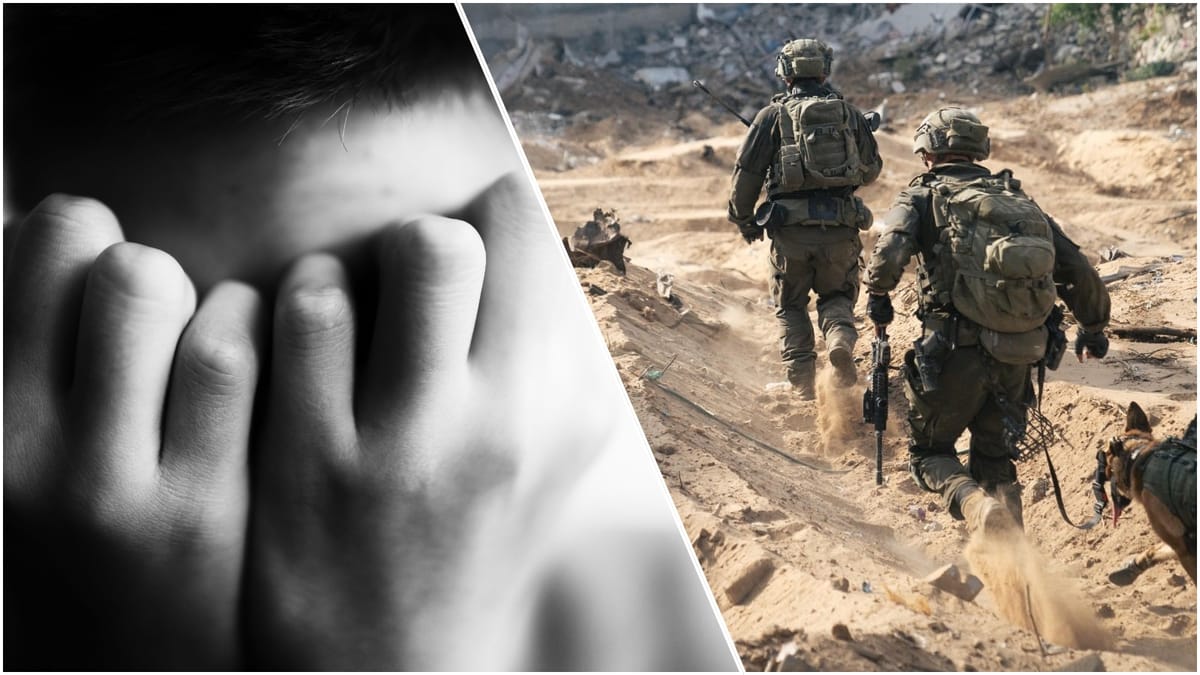
The invisible wounded

Mental health crisis since October 7

Knesset and State Comptroller reports reveal 900,000 Israelis reporting trauma symptoms, with wait times for treatment stretching to six months or more as system buckles under demand

Mental distress among soldiers and civilians

Three years have passed since the October 7 massacre, and Israel's quiet front continues to suffer from real wounds that remain unseen and unspoken.

Behind the statistics lies a silent national drama: the terror of war, the difficult scenes in the evening news and the ongoing tension have brought an unprecedented wave of sustained psychological injuries that has flooded the health funds, mental health services and the Rehabilitation Division at the Ministry of Defense.

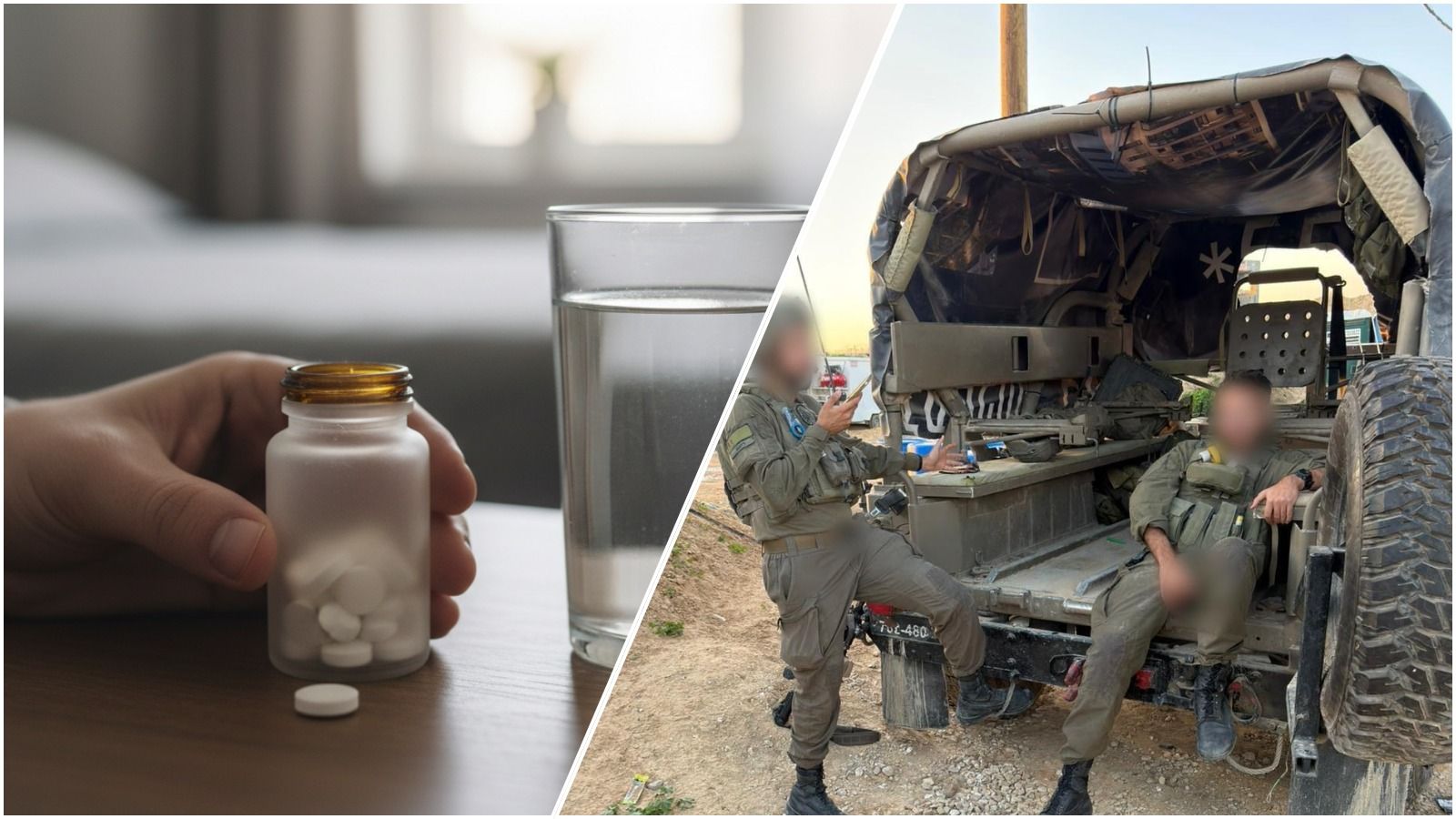
Risk of pill addiction as a result of trauma
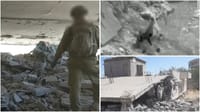
Risk of pill addiction as a result of trauma (Photo: AI GEMINI, Photo: IDF Spokesperson)

Thousands suffering anxiety, treatment in the distant future

The psychological damage does not heal with time and sometimes even worsens. Data from health fund reports show that since the outbreak of war, there has been a surge of between 20% and 28% in referrals to community mental health services.

But the real problem lies in the health system's ability to cope with the numerous referrals: the State Comptroller's report reveals that approximately 900,000 citizens reported symptoms of trauma, depression and anxiety, but waiting time for organized treatment has stretched to half a year or more.

The alarming figures indicate that in the first periods after the outbreak of fighting, approximately 90% of the general public required psychological assistance, and approximately 77% who were exposed to difficult scenes on the day of the October 7 massacre and in the many difficult days that followed did not receive an appropriate mental health medical response, and as a result still suffer from trauma that may accompany them for life.

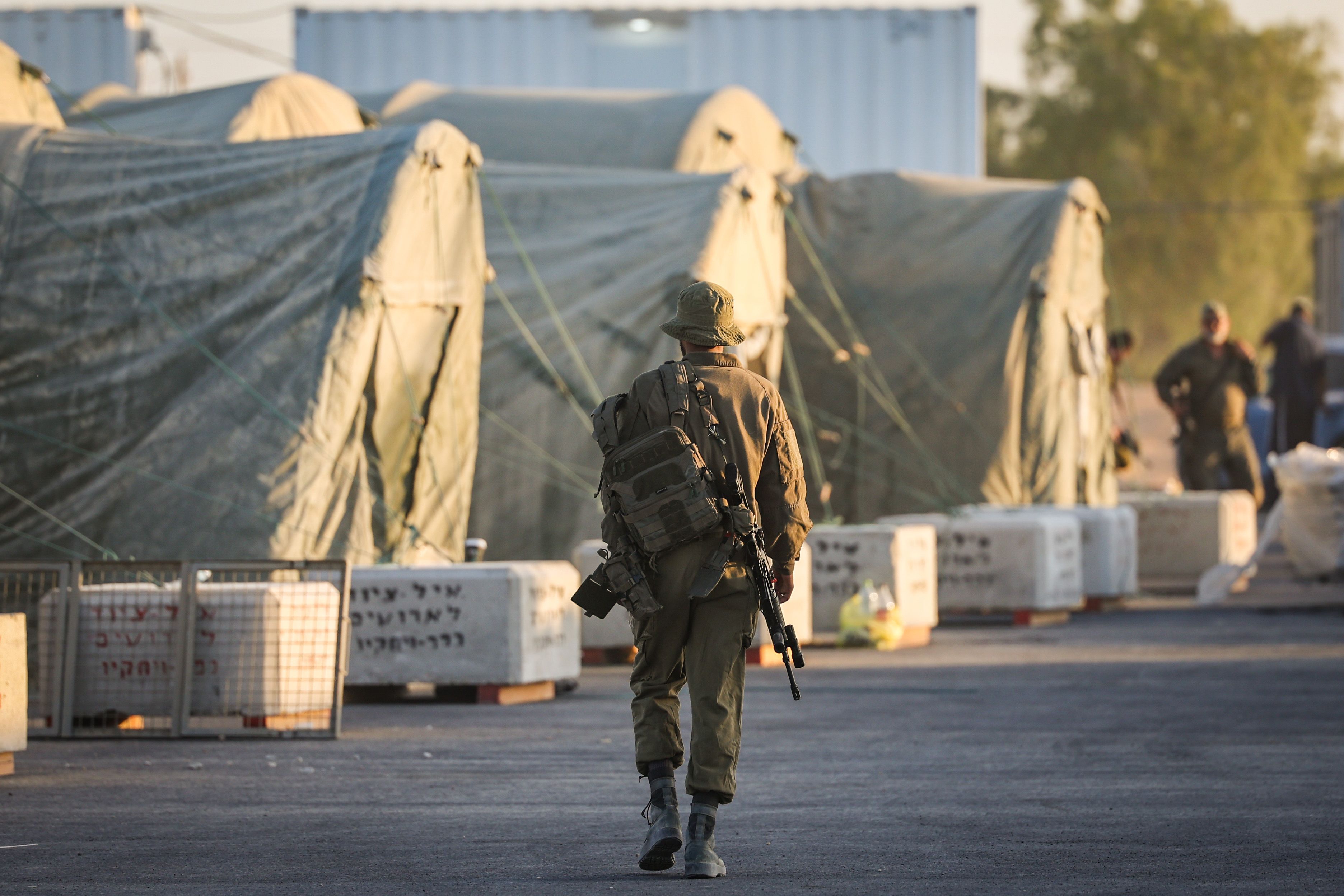
The great challenge of reservists
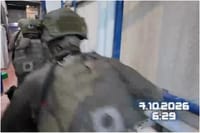
The great challenge of reservists (Photo: Flash 90)

Soldiers in a new battle for recognition as mentally wounded

The psychological battle is also being waged intensely among security forces and soldiers who survived the difficult battles and returned from the battlefield to their homes with intense and turbulent emotions.

A dramatic document from the Knesset Research and Information Center reveals the scope of the phenomenon: between October 2023 and the end of 2024, 6,410 applications for recognition of psychological injury and post-trauma were submitted to the Ministry of Defense.

Only 36% (2,335 applications) were approved and officially recognized.

62% of the referrals (of approximately 4,000 applicants, most of them soldiers) became stuck in approval review processes and bureaucratic delays.

618 of those seeking psychological help required treatment in out-of-home frameworks and alternative solutions.

With masses still waiting for an initial response and many soldiers forced to fight for their rights, it is clear that the battle for Israel's mental health is long since not a point medical problem, but a state health challenge requiring immediate treatment not only of the human spirit but also of shortening the exhausting bureaucratic procedures on the long road to full national recovery.


Ready for more?

Join our newsletter to receive updates on new articles and exclusive content.

We respect your privacy and will never share your information.

Enjoyed this article?

Yes
No
Follow Us:

Unmissable content


Loading comments...

Also of Interest