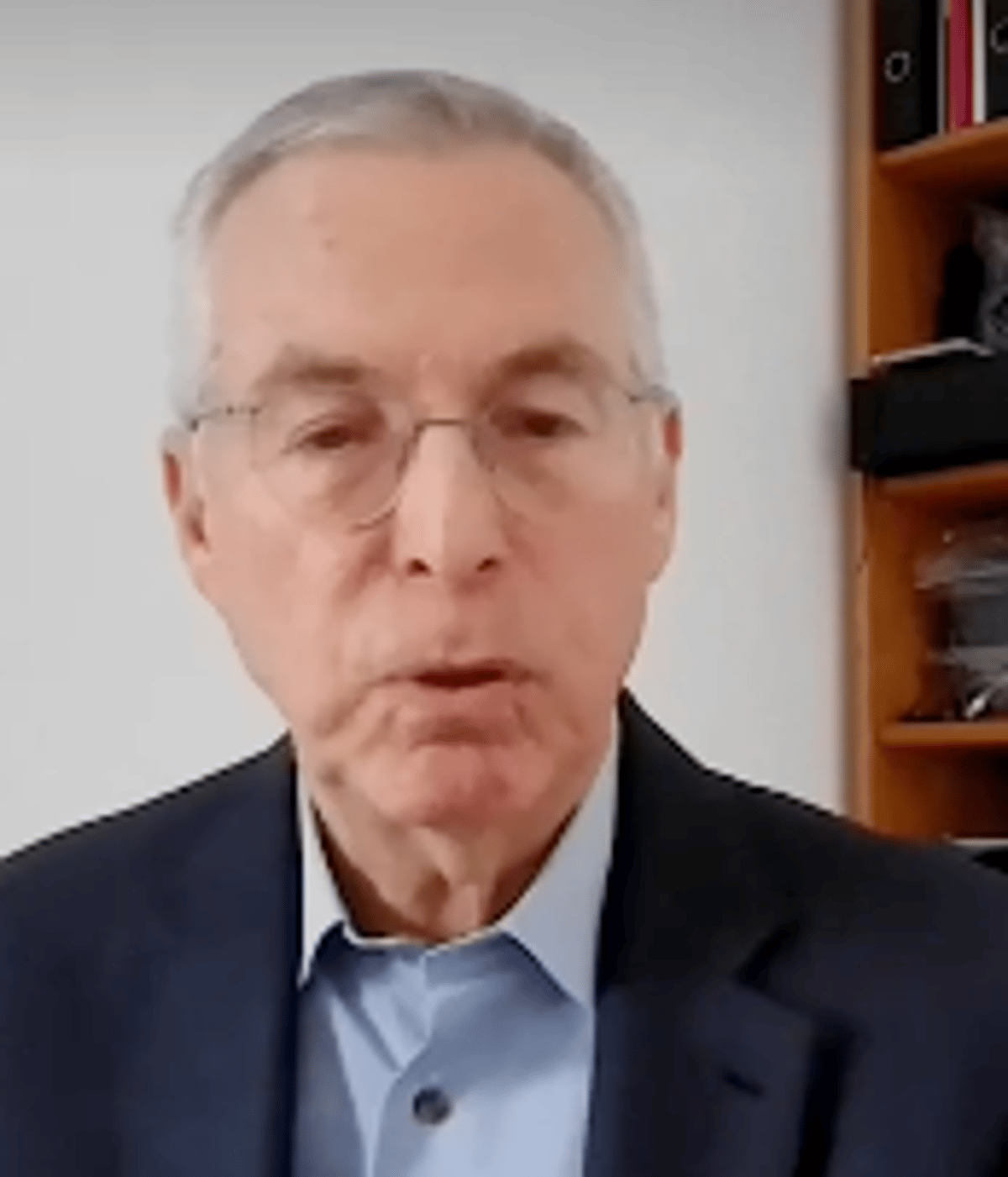
In a wide-ranging interview with Kikar HaShabbat, former Israeli Ambassador to the U.S. and Brig. Gen. (Res.) Mike Herzog described the current military coordination between the two nations as an "unprecedented event in the history of the state."
Herzog, a veteran diplomat and military strategist, provided a behind-the-scenes look at Operation "Roaring Lion" and the evolving dynamics of the Middle East.
1. Operational Integration: "Refueling Us on the Way to Iran"
Herzog highlighted a massive leap in bilateral cooperation, noting that U.S. forces are no longer just providing a defensive umbrella but are active partners in offensive operations.
* Air Support: American refueling tankers are reportedly accompanying Israeli Air Force pilots on long-range missions toward targets in Iran.
* U.S. Central Command (CENTCOM) area of responsibility, which has created a shared "battlefield language" and precise division of labor.
2. The Strategic Toll on Iran and Hezbollah
While acknowledging the significant destruction of Iran’s ballistic missile arrays, nuclear facilities, and air defenses, Herzog tempered expectations of an immediate regime collapse.
* The "Day After" in Tehran: He estimated that while the Iranian regime is at an extreme point of weakness, internal revolution is unlikely while active bombing continues; true domestic change may only surface once the smoke clears.
* Hezbollah’s Diminished Power: Herzog noted that despite continued rocket fire, Hezbollah is weaker than it has been in decades, failing to execute its long-held threat of firing thousands of missiles daily. He called for a permanent "Green Line" de-militarized zone in Southern Lebanon to push the threat away from the border for good.
3. The Trump Dilemma and the Strait of Hormuz
Herzog addressed the complex position of Donald Trump, noting the president's desire to maximize gains against Iran while maintaining his career-long aversion to "long, expensive wars." However, with Iran closing the Strait of Hormuz, Herzog noted that the U.S. has been forced into massive action to secure global oil flow and prevent a worldwide economic meltdown.
4. A Firm Message on Sovereignty: "Don't Interfere"
Perhaps most striking was Herzog’s blunt defense of Israeli domestic sovereignty. He criticized external pressure from both sides of the American political aisle:
* The Biden/Schumer Criticism: He rejected past pressures from the Biden administration regarding Israel's internal judicial reforms.
* The Trump Criticism: He specifically addressed recent "attacks" or pressures from Trump regarding internal Israeli legal matters (such as pardons).
"We must be consistent," Herzog concluded. "Any external interference in a sovereign legal matter is inappropriate and should not affect our internal processes."