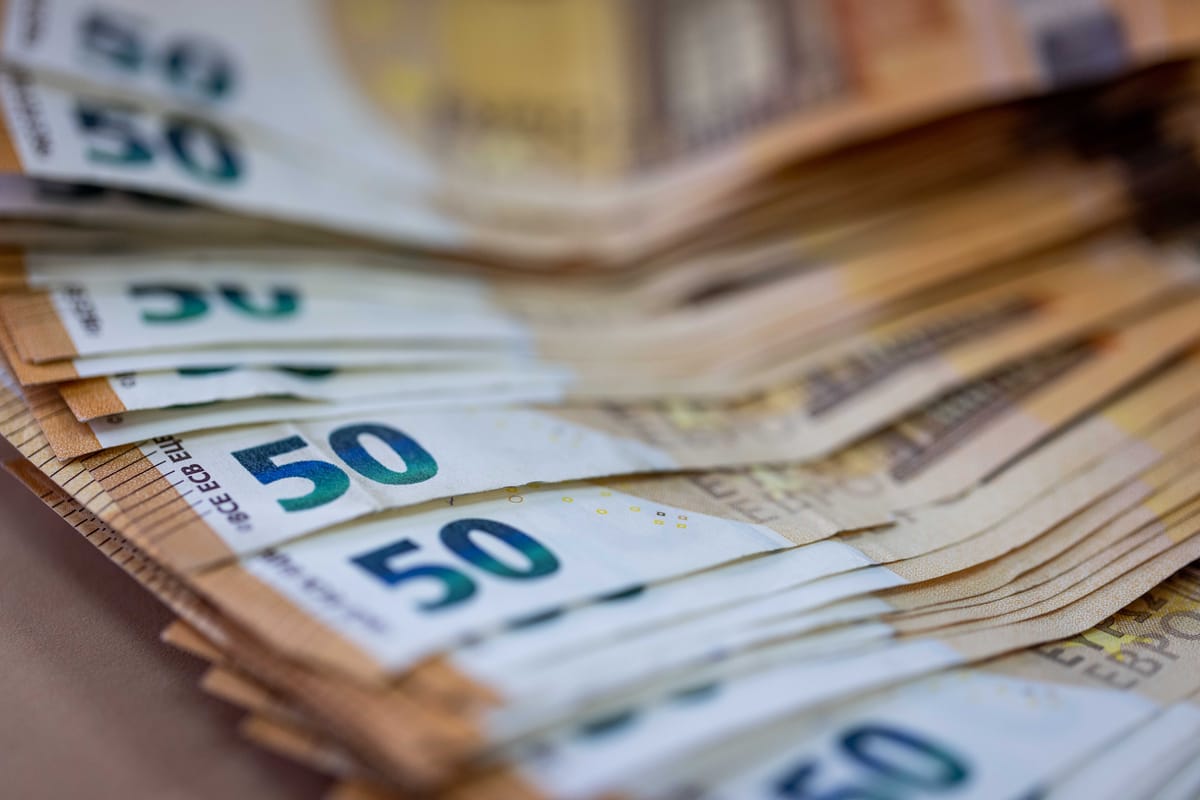
Bulgaria has formally become the 21st member of the eurozone, adopting the single European currency after years of political instability, public resistance, and economic debate. The move places the European Union’s poorest member state ahead of larger and more prosperous countries such as Poland, the Czech Republic, and Hungary in joining the euro.
For younger, urban, and business-oriented Bulgarians, the transition is widely seen as a long-overdue step toward deeper European integration and economic opportunity. For others, particularly in rural areas and among older citizens, the replacement of the lev has stirred anxiety, resentment, and fears of rising prices and lost sovereignty.
The Bulgarian lev, in circulation since 1881, has been effectively tied to European currencies since 1997, first to the Deutschmark and later to the euro. Despite this long-standing peg, the psychological shift to a shared currency has proved divisive. Opinion polls show the country’s 6.5 million people split almost evenly over the change.
Political turbulence has compounded unease. Bulgaria has held seven elections in the past four years, and the current coalition government lost a confidence vote in December following protests over the 2026 budget. Calls for a referendum on the euro, proposed by President Rumen Radev, were rejected by the outgoing government, fueling claims that the change was imposed without sufficient public consent.
To ease the transition, Bulgarian law has required shops to display prices in both lev and euros since August. During January, consumers can pay in either currency, though change must be given in euros. From February 1, only euros will be accepted. Authorities have established consumer watchdogs to monitor price manipulation, amid fears that businesses would round prices up. Some prices, including public transport fares in Sofia, have been slightly reduced.
The euro coins minted for Bulgaria incorporate national symbols in an effort to address sovereignty concerns. They feature St Ivan of Rila, Paisius of Hilendar, and the Madara Rider, figures tied to Bulgarian religious, cultural, and statehood traditions.
Supporters argue the euro will boost trade, attract investment, and stabilize the economy at a time of geopolitical uncertainty. European officials have framed the move as strengthening Bulgaria’s place within the EU and reinforcing its western orientation.
Critics, including far-right and pro-Russian political figures, warn of economic stagnation and point to Italy or Greece as cautionary examples. Russian-linked disinformation campaigns have also been identified by investigators as amplifying fears about inflation and loss of savings.
Whether Bulgaria follows the reform-driven Baltic model or slips into prolonged stagnation remains uncertain. What is clear is that the euro’s arrival marks a profound economic and political shift, one that many Bulgarians will judge not by symbolism, but by how it affects their daily lives in the months ahead.