In a viral video shared by the pro-Israel account @visegrad24 on X, (now slain) American conservative commentator Charlie Kirk reflected on Iran's transformation since the 1979 Islamic Revolution, contrasting its prosperous past with the current regime's rule.
Moving
Here's What Charlie Kirk Thought About Iran | WATCH
We lost a brilliant and beautiful person the day Charlie was taken. He was spot on about Iran, too.
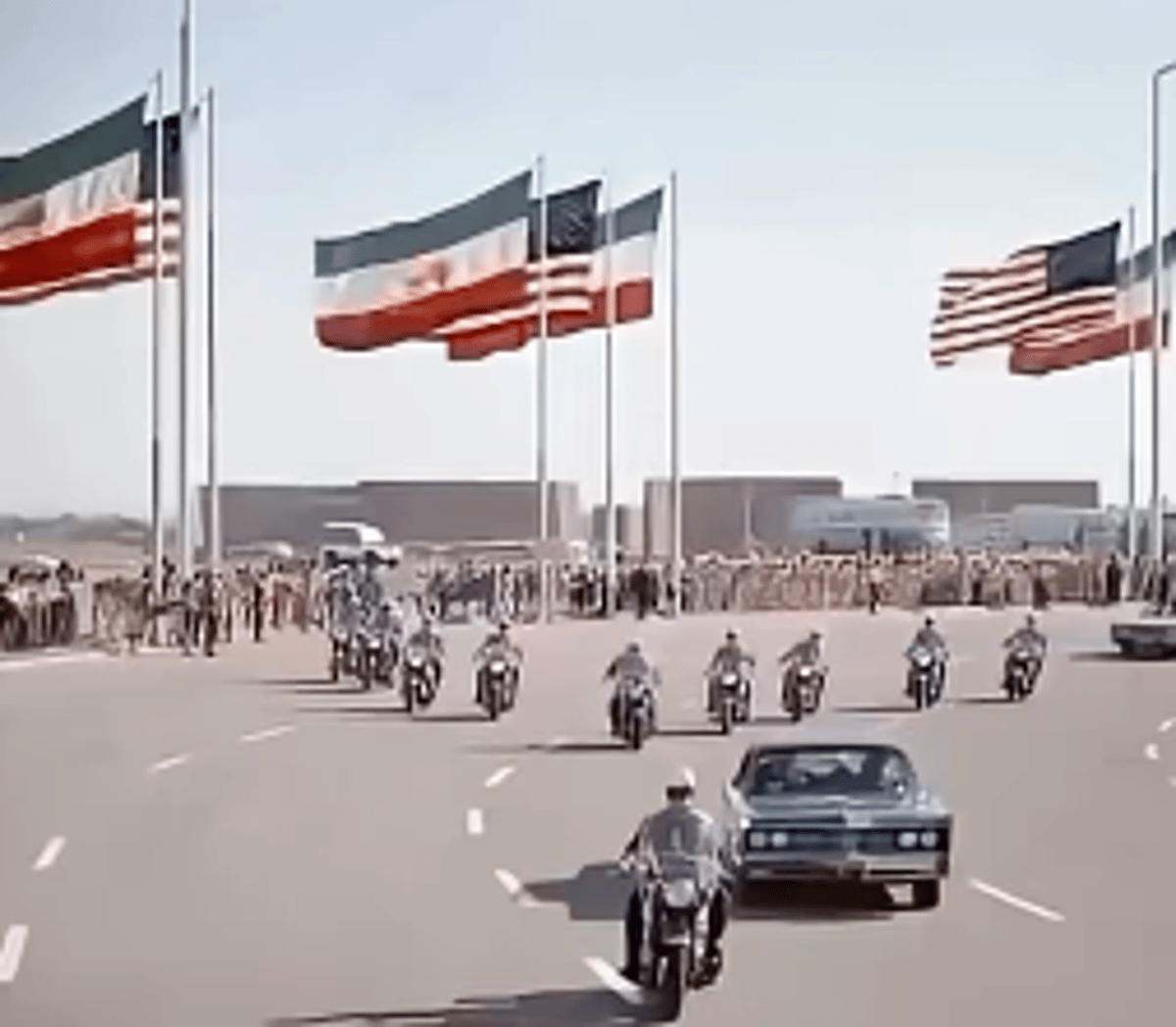
Kirk, speaking at an event, described pre-revolutionary Iran under Shah Mohammad Reza Pahlavi as "wealthy, proud, strong, and beautiful." He showcased archival images of Tehran in the 1960s and 1970s, highlighting Western-influenced fashion, architecture, and social freedoms, including women thriving urban life. "This is what Iran looked like before radical Islam took over," Kirk stated, blaming the revolution for the country's decline. He expressed admiration for the Persian people, noting, "Some of my closest friends are Persian," and urged empathy, suggesting that regime change, though "complicated," could restore Iran's potential.
The commentary resonates amid Iran's ongoing turmoil, where protests ignited by economic collapse have evolved into calls for the overthrow of Supreme Leader Ali Khamenei and the Islamic Republic. Sparked on December 28, 2025, by a plummeting rial (hitting record lows of around 1.34 million per dollar) and hyperinflation exceeding 40%, with food prices surging 60-70%, demonstrations have spread to over 100 cities across all 31 provinces.
Chants like "Death to Khamenei," "This is the year of blood, Seyed Ali falls," and pro-Shah slogans echo Kirk's nostalgic tone, with protesters waving pre-revolutionary flags and demanding a return to secular governance.
The regime's response has been severe. Security forces, including the Islamic Revolutionary Guard Corps (IRGC), have deployed live ammunition, tear gas, and batons, resulting in a death toll that activists estimate at 538 to 544, including at least 490 protesters and several children.
Over 10,600 arrests have been reported, with raids on hospitals treating the wounded and a nationwide internet blackout since January 8, 2026, to stifle coordination and obscure the violence.
Iranian officials, including Foreign Minister Abbas Araghchi, have blamed foreign interference from the U.S. and Israel, accusing "terrorists" of escalating bloodshed to provoke intervention.
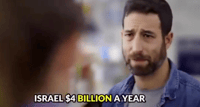
Kirk's post also critiqued Western critics of Israel for ignoring Iran's lost freedoms while enjoying their own, tying into broader Middle East dynamics. As U.S. President Donald Trump warns of military action if the crackdown intensifies, and Israeli leaders monitor closely, the protests represent the most significant challenge to the regime since 1979.
Rights groups like Amnesty International and Human Rights Watch have condemned the "cycle of protest bloodshed," urging international accountability.