
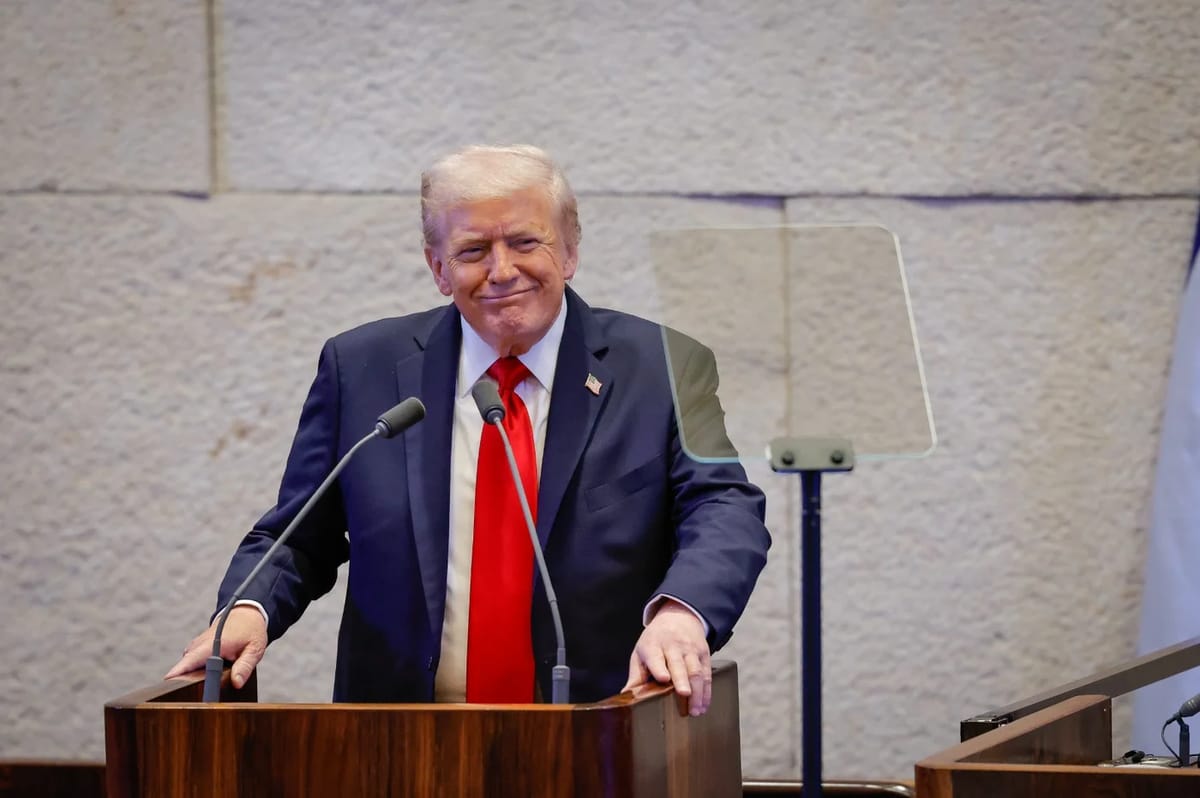
The Trump administration plans to expand federal execution methods to include firing squads, electrocution and gas asphyxiation, citing ongoing difficulties in obtaining drugs used for lethal injections.
The move was outlined in a Justice Department report aimed at restoring and maintaining the federal death penalty after President Donald Trump lifted a moratorium imposed by his predecessor, Joe Biden.
According to the report, the Bureau of Prisons will update its protocols to allow alternative execution methods already permitted in some US states. Officials said the change is intended to ensure executions can proceed even when lethal injection drugs are unavailable.
Lethal injection remains the primary method at the federal level, but access to the necessary drugs has become increasingly limited, as pharmaceutical companies have refused to supply them for use in executions. This has forced authorities to rely on smaller compounding pharmacies or seek alternative methods.
The report also points to recent developments at the state level, including the use of nitrogen gas asphyxiation, first carried out in Alabama in 2024, as well as the revival of older methods such as firing squads and electrocution.
The Justice Department is currently seeking the death penalty in more than 40 federal cases, though none are close to execution due to lengthy legal processes. Only three inmates remain on federal death row after Biden commuted most existing sentences.
The expansion of execution methods is expected to face legal challenges, particularly over whether they violate the constitutional ban on cruel and unusual punishment. While the US Supreme Court has historically upheld execution protocols, some of the methods being reintroduced have not been reviewed in decades.
Critics, including civil rights groups and Democratic lawmakers, condemned the move as inhumane, while supporters argue it is necessary to maintain the enforcement of capital punishment under federal law.