Unprecedented US Naval Power: 3 Carriers, 15,000 Troops Deployed Off Iran
CENTCOM reveals massive force projection with three carrier strike groups • 200 fighter jets and 15,000 personnel in largest Middle East deployment since 2003 | Absolute deterrence strategy (World News)

In a dramatic demonstration of American military might, U.S. Central Command (CENTCOM) has disclosed the full scope of its unprecedented naval deployment in the Middle East, three aircraft carriers operating simultaneously with over 15,000 combat personnel. The massive force projection represents the largest concentration of American naval power in the region since the 2003 invasion of Iraq, sending an unmistakable message to Tehran and its regional proxies.
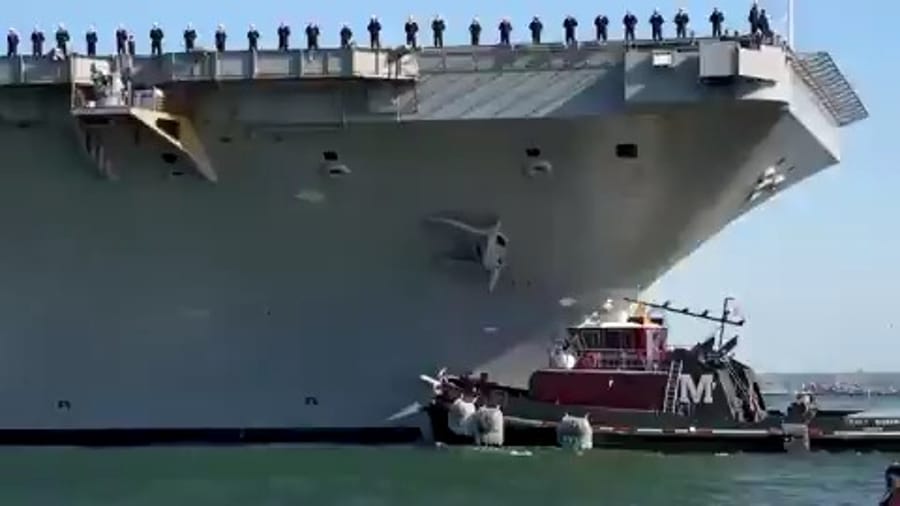
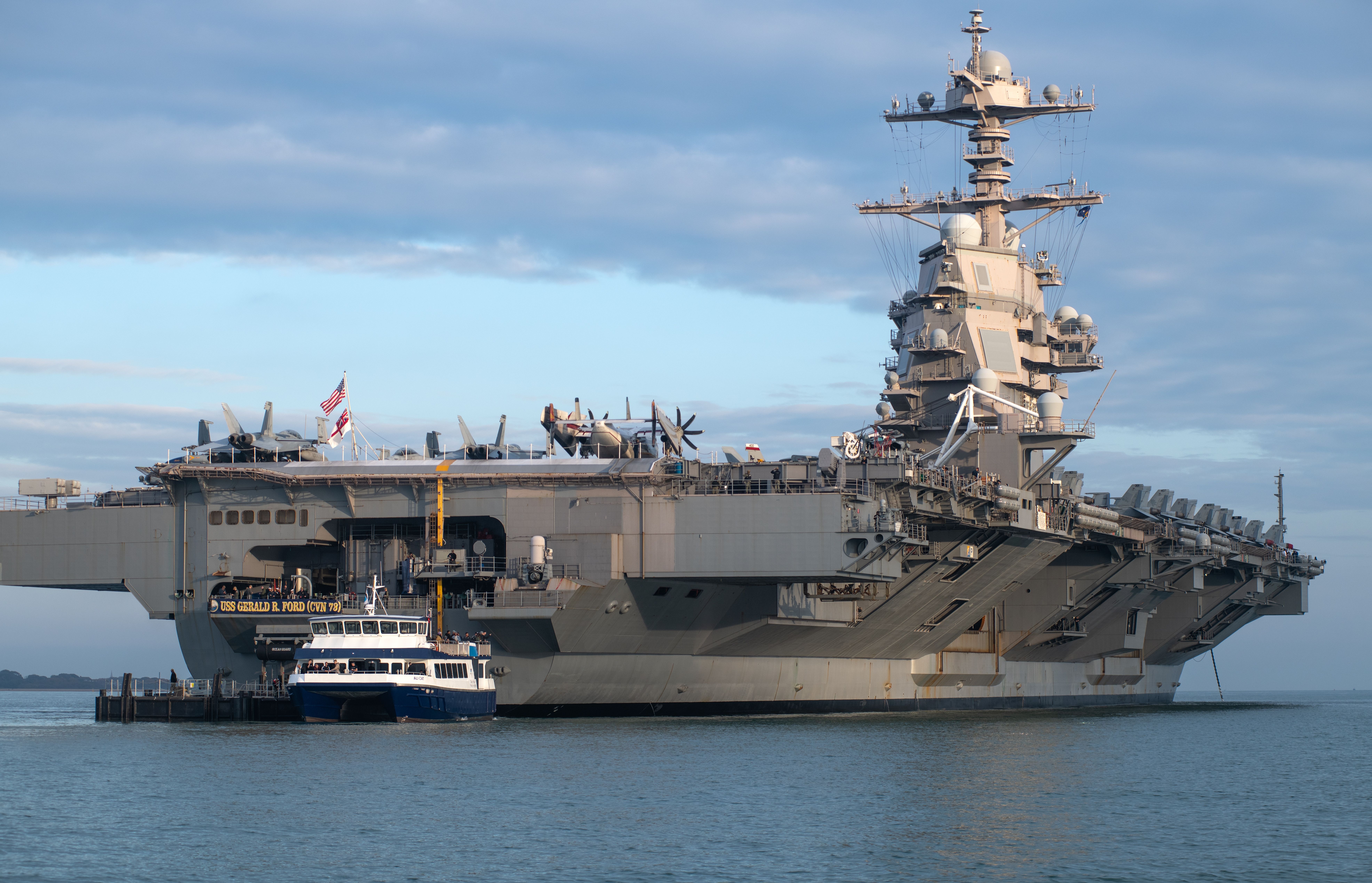
The deployment encompasses the USS Gerald R. Ford, USS Abraham Lincoln, and USS George H.W. Bush, each accompanied by full carrier strike groups totaling approximately 12 warships equipped with cutting-edge American military technology. The combined air wing includes roughly 200 advanced fighter aircraft maintaining high operational readiness, according to official CENTCOM statements.
Technological Superiority at Sea
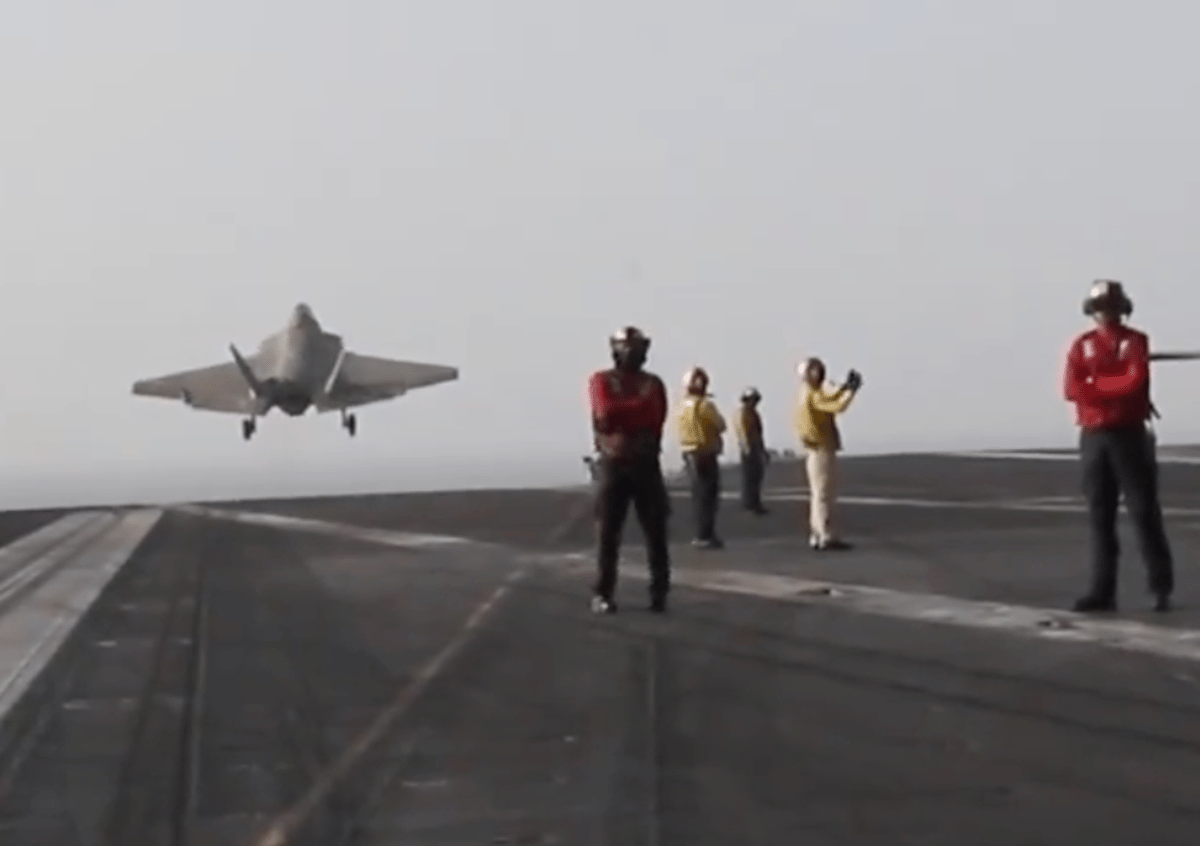
At the heart of the naval armada stands the USS Gerald R. Ford, the world's most advanced aircraft carrier, featuring an electromagnetic aircraft launch system that enables accelerated sortie rates. The Ford's flight deck hosts F-18E Super Hornet fighters for air superiority missions alongside EA-18G Growler electronic warfare aircraft capable of jamming and disrupting enemy communications across vast distances.
The carrier recently set a new record for consecutive days at sea, reaching 295 days, the longest deployment since the Vietnam War era. Despite a recent fire incident on board, naval officials emphasized that the vessel returned to full operational capability following repairs, with no degradation to the strike group's combat effectiveness in the region.

Layered Defense and Rapid Strike Capability
Beyond offensive firepower, the carrier strike groups deploy advanced AEGIS air defense systems mounted on accompanying destroyers, transforming the fleet into an impenetrable fortress capable of intercepting aerial threats and ballistic missiles. V-22 Osprey tiltrotor aircraft stand ready on carrier decks with special operations forces prepared for covert insertion missions anywhere across the Middle East theater.
Defense analysts noted that the three-carrier deployment transcends mere presence operations. The strategic positioning ensures American dominance over critical shipping lanes while neutralizing potential threats from Iran and its militia networks. The ability to dictate security realities through overwhelming air and naval superiority constitutes the deployment's central strategic message.
The massive naval presence arrives amid fundamental changes in American military doctrine. The Pentagon recently requested $75 billion in additional funding for special operations units and autonomous systems, reflecting lessons learned from the ongoing confrontation with Iran. The A-10 Warthog ground-attack aircraft, which proved devastatingly effective against Iranian naval vessels in the Strait of Hormuz, will now remain in service until at least 2030 following its combat performance.
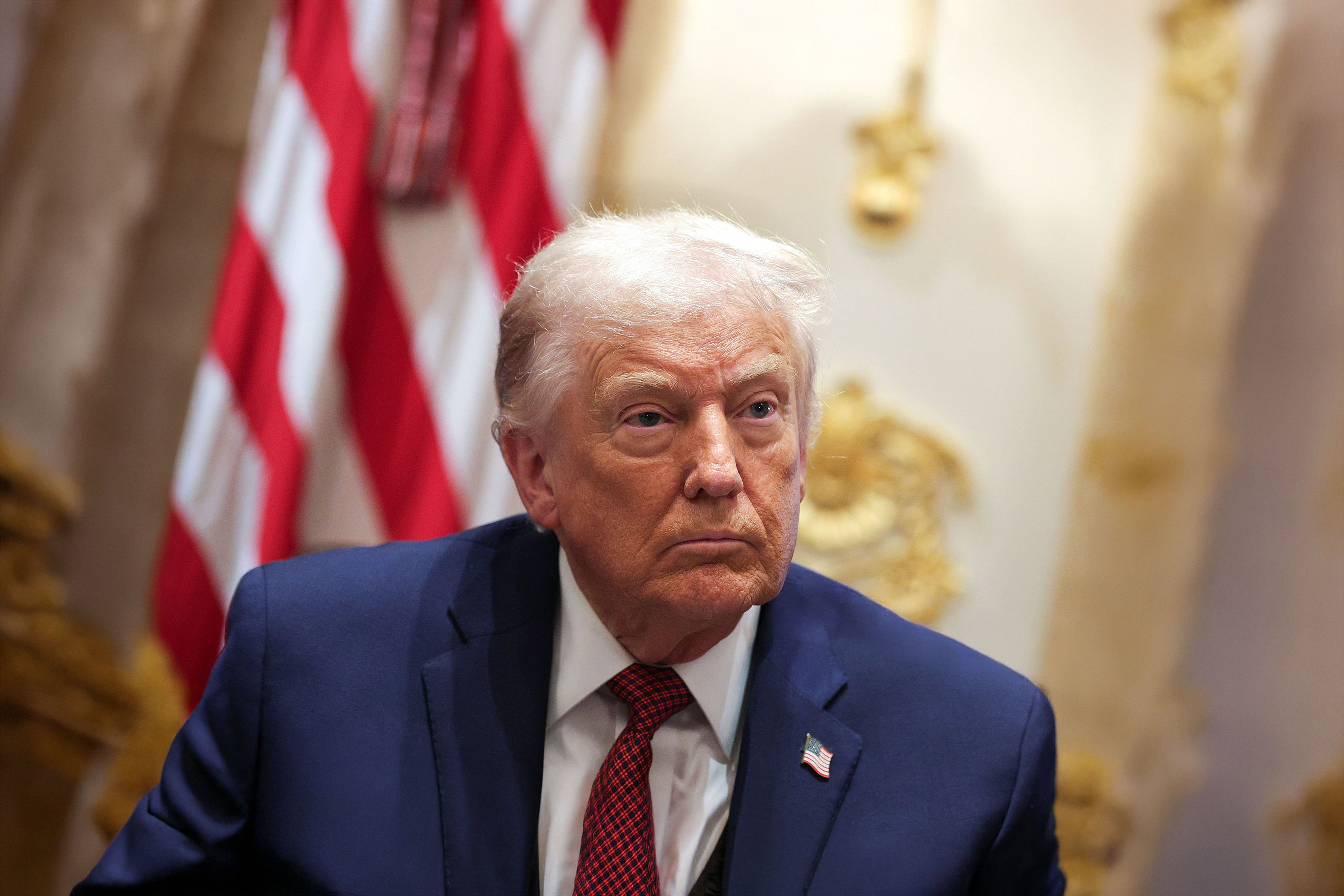
CENTCOM has actively countered Iranian disinformation campaigns, releasing continuous footage of the USS Abraham Lincoln conducting round-the-clock strike operations to debunk Tehran's claims of damaging American carriers. President Trump himself accused Iran of deploying AI-generated fake news showing fabricated images of burning American warships.

Diplomatic Pressure Amid Military Readiness
The naval deployment coincides with complex diplomatic maneuvering between Washington and Tehran. President Trump recently canceled a planned envoy mission to Pakistan for negotiations with Iranian Foreign Minister Abbas Araghchi, stating that "all the cards are in our hands" and refusing to authorize an 18-hour flight for what he characterized as unproductive discussions.
The President pointed to internal chaos within Tehran's leadership as an obstacle to meaningful negotiations, emphasizing that Iran could initiate contact whenever ready. The massive carrier deployment underscores this diplomatic posture — America maintains overwhelming military advantage while awaiting Iranian willingness to engage seriously on Washington's terms.
Military experts emphasized that the three-carrier configuration provides the United States with unmatched flexibility to respond to any regional contingency within minutes, whether defending allies, securing maritime commerce, or conducting precision strikes against hostile targets. The deployment represents not merely a show of force, but a comprehensive strategy to ensure American interests prevail throughout the Middle East theater.