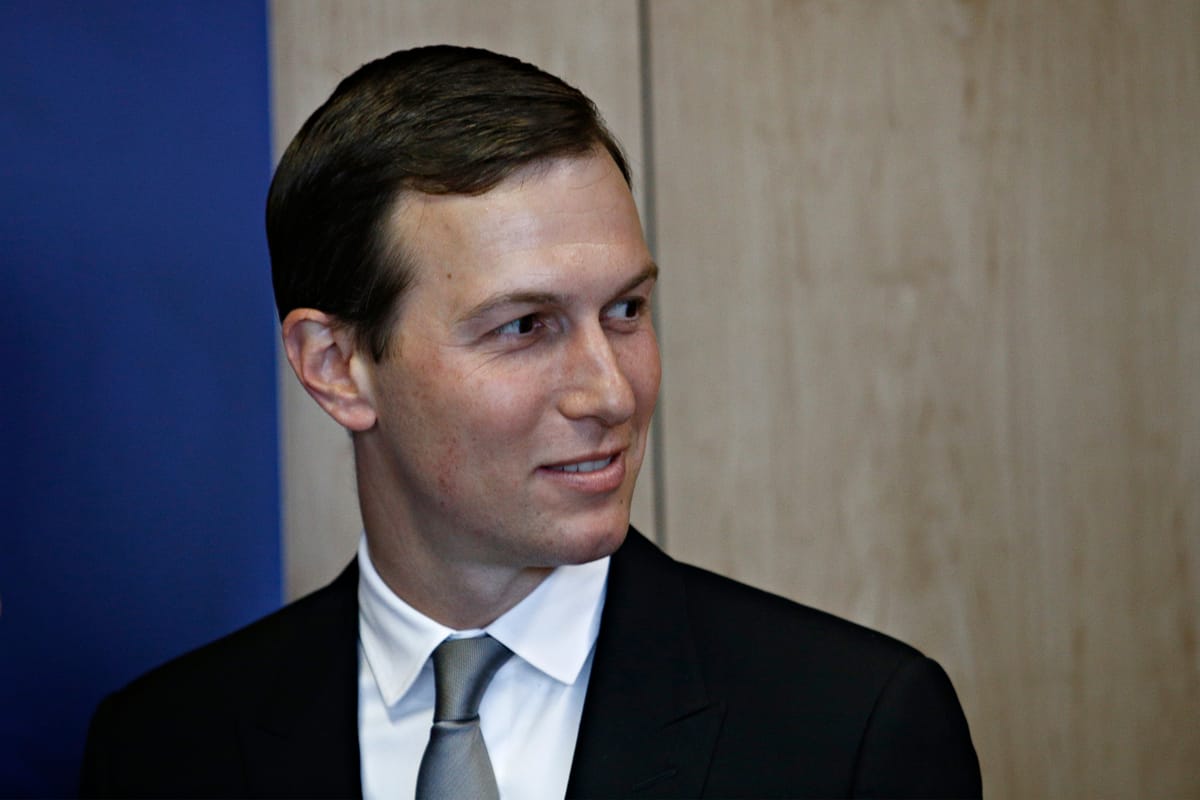
A whistleblower complaint alleging that Director of National Intelligence Tulsi Gabbard delayed for months the distribution of an intelligence report mentioning Jared Kushner has sparked a fierce dispute over the handling of sensitive national security information.
The controversy centers on a conversation intercepted in May between two individuals from a foreign country that discussed Iran and referenced Kushner's influence on decision-making in the White House, according to reports published in The Wall Street Journal and The New York Times.
The interception occurred during a period when the administration was engaged in sensitive deliberations about potential military action against Iran, according to the reports. The Times reported that the conversation included references to Kushner's significant influence on President Trump and what the newspaper characterized as "speculative gossip" about him, characterizations that senior administration officials have rejected.
The intelligence report remained classified for eight months, according to the whistleblower complaint. A censored version was transferred to congressional intelligence committees only after the matter became public through media reports.
U.S. officials declined to provide details about the content of the intercepted conversation or the specific nature of claims involving Kushner, citing concerns that fuller disclosure could compromise sensitive intelligence-collection methods. However, people familiar with the matter said that if the claims raised in the conversation prove substantiated, it would constitute be very significant.
The complaint against Gabbard alleges the report's delayed distribution was motivated by political considerations. The timing coincided with a period when Kushner, working alongside other U.S. envoys, was engaged in indirect discussions with Iran concerning a potential nuclear agreement, according to the Journal's reporting.
Gabbard has denied the accusations, stating she acted within her legal authority and followed proper procedures.
The intercepted conversation reportedly included a statement that "to influence the negotiations, one must speak with Kushner," according to the reports, a remark that has heightened concerns.
Kushner, who previously served as a senior White House advisor, remains one of the most influential figures in Trump's inner circle despite holding no official government position. He played a central role in negotiating the Abraham Accords and other Middle East policy initiatives during the first Trump administration.
Congressional Democrats are demanding a comprehensive investigation into the intelligence community's handling of the matter and the delay in notifying Congress. Republicans have characterized the controversy as a politically motivated effort to damage the Trump administration's credibility.