Saudi Arabia and the United Arab Emirates are moving closer to direct involvement in the war against Iran, as sustained attacks on their territory and economies push them toward a more active role, according to regional and Western officials.
While neither country has formally entered the conflict, recent steps suggest a shift from cautious neutrality to reluctant engagement.
Saudi Arabia has allowed US forces to use the King Fahd air base, a significant reversal from its earlier position refusing to permit its territory or airspace to be used in operations against Iran. The change follows repeated Iranian missile and drone attacks on Saudi energy infrastructure and urban centers, including Riyadh.
A source familiar with the Saudi leadership’s thinking said it is “only a matter of time” before the kingdom joins the fighting more directly.
Saudi Foreign Minister Faisal bin Farhan signaled the shift last week, warning that Riyadh’s “patience is not unlimited” in the face of continued Iranian attacks.
The United Arab Emirates has taken a different but equally consequential approach, targeting Iranian financial and logistical networks within its borders. Emirati authorities have shut down institutions linked to Iran, including the Iranian Hospital and Iranian Club in Dubai, citing misuse tied to the Islamic Revolutionary Guard Corps.
Officials have also warned they may freeze billions of dollars in Iranian assets, potentially cutting off a key financial lifeline for Tehran as its economy struggles under sanctions and wartime pressure.
Despite these moves, Gulf leaders remain wary of crossing the threshold into open warfare.
Direct military involvement would expose them to further retaliation from Iran, a regional power located just across the Persian Gulf. There are also concerns that US policy could shift abruptly, leaving Gulf states to deal with the consequences of escalation on their own.
Still, events on the ground are steadily eroding those reservations.
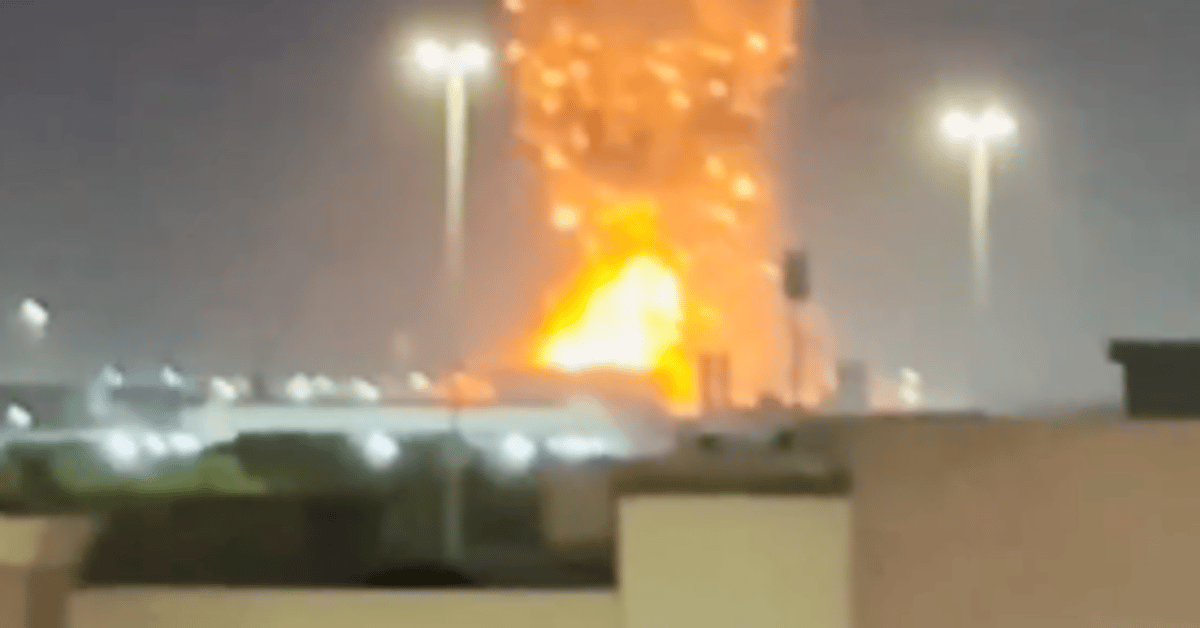
Iran has expanded its campaign beyond Israel and the United States, targeting all six Gulf Cooperation Council countries. Strikes on energy facilities, airports, and even civilian sites have disrupted oil and gas production and damaged tourism sectors that are critical to Gulf economies.
The situation has been compounded by Iran’s effective blockade of the Strait of Hormuz, through which roughly 20 percent of global oil and gas supplies normally pass. Attacks on shipping have driven up global energy prices and heightened fears of long-term disruption.
Tehran has also reportedly floated the idea of asserting control over the strait and charging tolls for passage, a move that would dramatically increase its leverage over global energy markets.
For Gulf states, the combination of economic damage and strategic threat is becoming increasingly difficult to ignore.
Officials from several Gulf countries have urged Washington to continue its military campaign until Iran’s capabilities are significantly degraded, arguing that a premature ceasefire would leave the region vulnerable.
At the same time, frustration is growing over their limited influence on US decision-making, despite deep security ties and financial investments in the relationship.
The Gulf states had believed they could prevent attacks on Iranian energy infrastructure through diplomatic pressure, but Israeli strikes on key sites, including the South Pars gas field, triggered retaliatory attacks that hit Gulf targets instead.
Caught between a powerful ally and an aggressive regional rival, Gulf leaders now face a narrowing set of options. For now, they remain just short of open war.