A high-stakes aviation crisis unfolded in international airspace on Tuesday as a commercial passenger flight bound for Israel triggered a full-scale military response over the Mediterranean Sea. The civilian airliner, carrying 180 passengers from Warsaw to Tel Aviv, broadcast transponder code 7500, which serves as the international emergency signal for a hijacking or unlawful interference. Air defense networks in multiple nations immediately went into maximum alert status, scrambling supersonic fighter jets to intercept and shadow the aircraft. The sudden communication blackout and emergency distress broadcast prompted authorities to deploy standard counter terrorism defense procedures over regional waters.
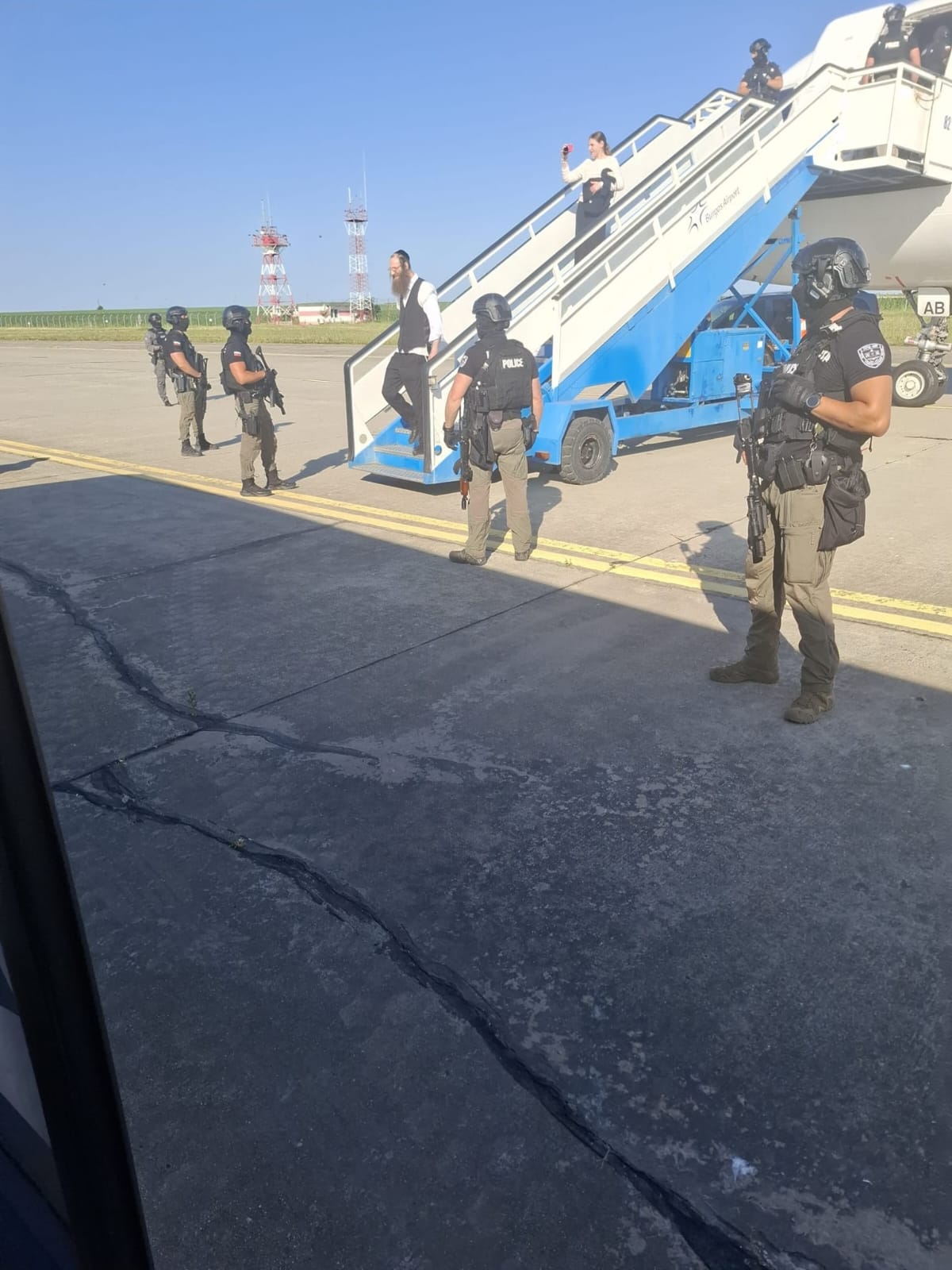
The aircraft was eventually forced to alter its destination and make an unscheduled landing at Burgas Airport in Bulgaria, which serves as the home operational base for the charter company Electra Airways. Upon touching down on the tarmac, the plane was immediately surrounded by heavily armed tactical police units and specialized military personnel to isolate the potential threat. Passengers were systematically taken off the diverted Warsaw to Tel Aviv flight under heavy security following the hijack alert incident, with security forces maintaining a tight cordon around the perimeter. The intense nature of this tactical operation is clearly captured in the on-scene photograph, which shows masked officers standing guard as travelers exit the main cabin stairs.
Although the pilot later said he pressed the button by mistake, security forces are not taking chances amid concern that he may have been threatened into saying everything was fine. Aviation intelligence specialists and border security teams are maintaining a rigid posture because protocol dictates treating all retracted distress signals as active threats until a thorough physical sweep is completed. This unyielding stance was emphasized by regional commanders who noted that no risks being taken after false hijack alert reports are logged into international tracking networks. Investigators are thoroughly interviewing the flight crew separately inside the terminal to definitively rule out any hidden coercion or passenger interference in the cockpit.