End of the Ayatollah

Protestors Begin Claiming Cities as Iran Unrest Grows | WATCH

Protests have now spread to at least 111 cities and towns across all 31 provinces. At least 34 protesters and four members of the security forces have been killed so far, with more than 2,200 people arrested. Footage circulating online and verified by international media points to escalating violence in multiple regions.

Protests in Iran
Protests in Iran (In accordance with copyright law 27a)

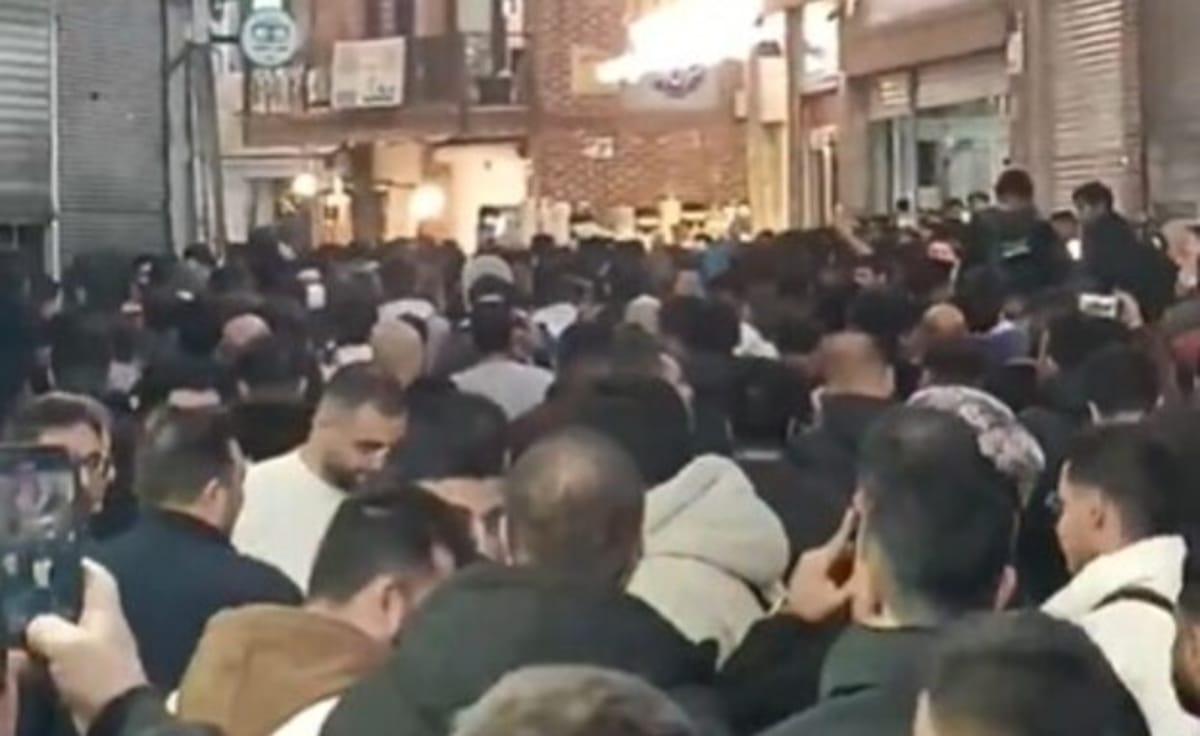
Violent clashes between anti-government protesters and Iranian security forces were reported across the country on Wednesday as nationwide demonstrations entered their eleventh consecutive day, deepening the most serious unrest Iran has faced since the 2022 uprising sparked by the death of Mahsa Amini.

According to the US-based Human Rights Activists News Agency, protests have now spread to at least 111 cities and towns across all 31 provinces. The group reported that at least 34 protesters and four members of the security forces have been killed so far, with more than 2,200 people arrested. Independent verification remains difficult, as foreign journalists are barred from reporting freely inside Iran, but footage circulating online and verified by international media points to escalating violence in multiple regions.

Iran’s semi-official Fars news agency reported that two police officers were shot and killed in the southwestern town of Lordegan, blaming “armed individuals” it described as rioters. While the report could not be independently confirmed, Lordegan has been one of several flashpoints, with earlier clashes there resulting in the deaths of protesters last week.

Videos from cities including Qazvin, Mashhad, Abadan, Bandar Abbas and Aligudarz show security forces firing live ammunition or tear gas toward crowds, while protesters throw stones and chant slogans directly targeting the regime. Chants of “Death to the dictator,” a reference to Supreme Leader Ali Khamenei, were heard repeatedly, alongside calls supporting the return of the exiled Pahlavi dynasty. In several locations, demonstrators were seen advancing on retreating security forces, suggesting a growing boldness among protesters.

The unrest began on December 28 in Tehran’s bazaars, where shopkeepers protested a sharp plunge in the value of the rial. The currency has continued its collapse amid soaring inflation, which has reached roughly 40 percent, exacerbated by US sanctions, mismanagement, and long-standing corruption. What began as an economic protest quickly turned political, with university students joining and demonstrations spreading nationwide.
In an apparent attempt to contain the unrest, the government announced a new monthly allowance equivalent to about $7 for roughly 71 million citizens, aimed at easing the rising cost of living. Officials also struck a carefully calibrated tone. Vice President Mohammad Jafar Qaempanah said President Masoud Pezeshkian had ordered that no security action be taken against peaceful protesters, while insisting that those carrying weapons or attacking state institutions would be treated as criminals.

At the same time, the judiciary sent a starkly different message. Chief Justice Gholamhossein Mohseni Ejei warned that so-called rioters would face rapid prosecution and harsh punishment to deter further unrest. Khamenei echoed that dual approach, calling on authorities to “speak with the protesters” while insisting that those engaging in violence must be “put in their place.”

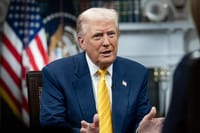
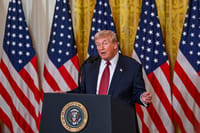
The protests are unfolding under intense international scrutiny, particularly after US President Donald Trump warned that the United States would intervene if Iranian forces “violently kill peaceful protesters.” His remarks carried added weight following the recent US operation that led to the capture of Venezuelan leader Nicolás Maduro, raising concerns in Tehran that external pressure could escalate quickly.

Israeli Prime Minister Benjamin Netanyahu also voiced support for the protesters, saying Israel identified with the Iranian people’s aspirations for freedom and justice and suggesting the country may be approaching a decisive moment.

Analysts say the protests reflect deep-seated frustration that goes beyond economic hardship. Dr. Sanam Vakil of Chatham House noted that many Iranians see no future prospects, with daily life becoming increasingly difficult. Others suggest that the regime’s response has been more cautious than in previous uprisings due to fears of provoking foreign intervention.

The unrest is already being compared to the 2022 protests, which ended in a brutal crackdown that killed hundreds and led to tens of thousands of arrests. While the current demonstrations have not yet reached that scale, their geographic spread and openly political slogans mark a significant escalation.

Whether the government’s mix of limited economic concessions and selective repression will succeed remains unclear. What is increasingly evident is that Iran’s leadership is facing a population that appears less willing than ever to retreat quietly, even as the risks of confrontation continue to rise.

Ready for more?

Join our newsletter to receive updates on new articles and exclusive content.

We respect your privacy and will never share your information.

Enjoyed this article?

Yes (62)
No (6)
Follow Us:

Loading comments...