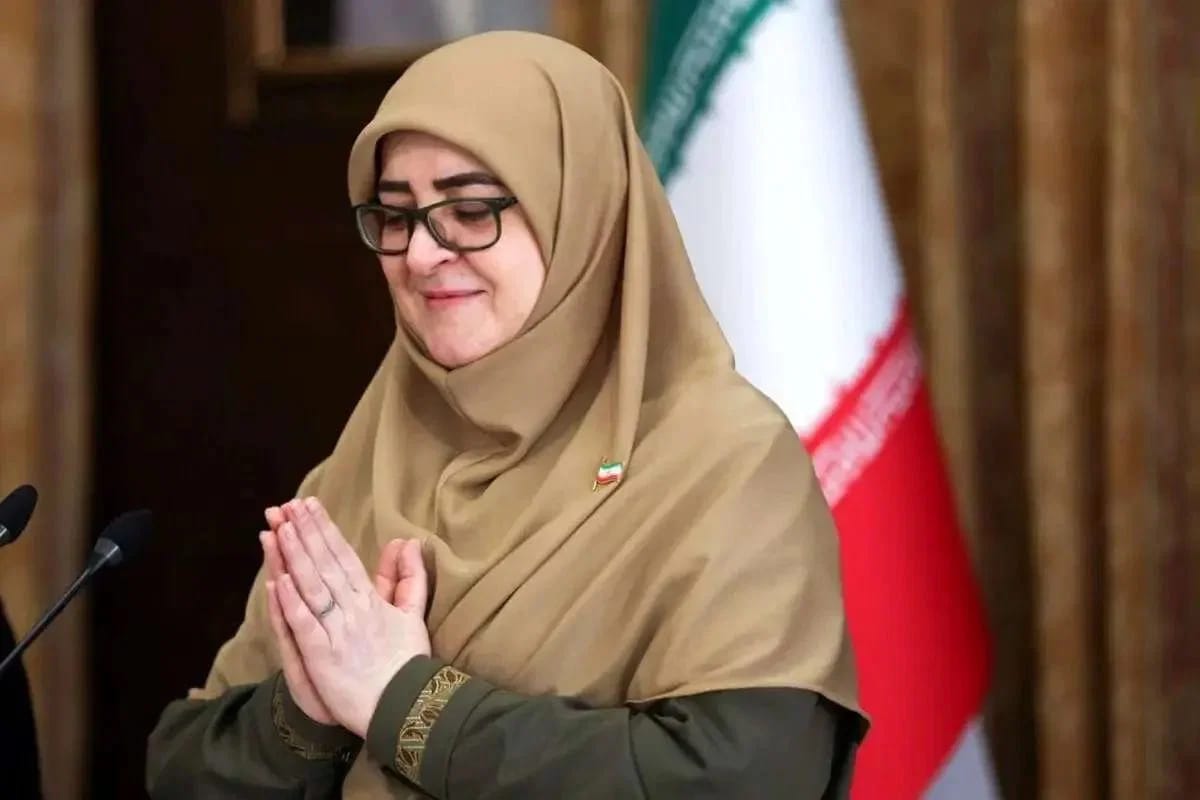
The Iranian government has officially submitted a staggering $270 billion claim for damages following the joint U.S.-Israeli military campaign that began earlier this year. Government spokesperson Fatemeh Mohajerani characterized the figure as a "rough and preliminary" estimate of the destruction caused to the nation’s infrastructure and its people.
The Bill for "Extensive Destruction"
In an interview with Russian media outlets, Mohajerani detailed a multi-stage assessment plan currently underway in Tehran. The initial $270 billion claim covers:
- Direct Physical Damage: Destruction of public buildings, private businesses, and industrial zones.
- Human Toll: Official Iranian sources claim the death toll from the strikes has exceeded 3,000 people, including schoolgirls killed during a strike in Minab.
- Economic Loss: A second phase of the assessment is expected to significantly increase the total as authorities calculate lost national revenue and the long-term impact of industrial shutdowns.
A Non-Negotiable Demand
The issue of reparations has become a central pillar in the fragile diplomatic efforts to secure a permanent ceasefire. Iranian President Masoud Pezeshkian has repeatedly raised the demand in international forums, asserting that full compensation is one of ten key conditions presented to the U.S. administration.
"We will not waive our legitimate rights," Mohajerani stated, clarifying that Tehran views these payments as a prerequisite for any future agreement.
Background of the Escalation
The strikes, which launched on February 28, 2024, targeted key sites including Tabriz and Minab, prompting Iranian retaliatory strikes against bases in the Persian Gulf. While a temporary two-week ceasefire took effect on April 8, follow-up negotiations held on April 11 ended in a stalemate.
With the Iranian rial in freefall and infrastructure in ruins, Tehran’s leadership maintains that while they do not seek a broader war, there will be no diplomatic progress without the United States paying the bill for the loss of life and property.