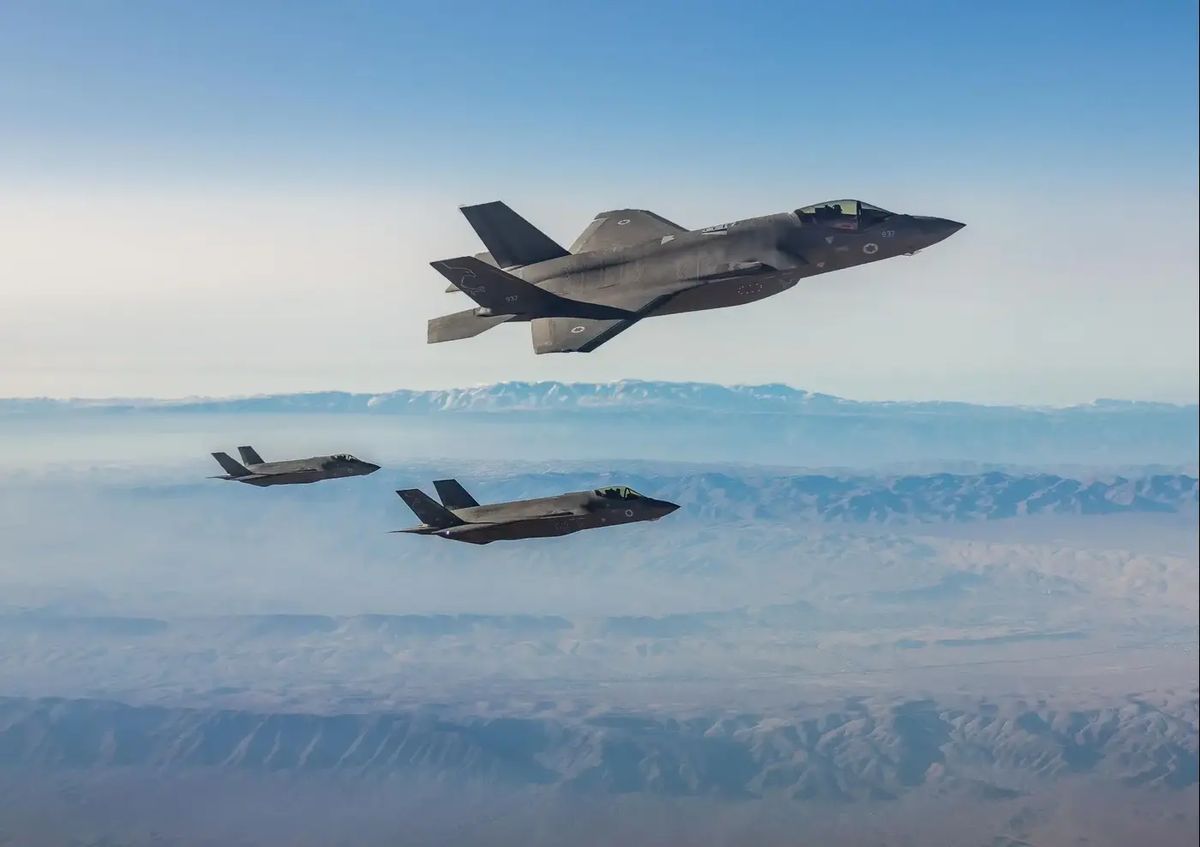
As the clock ticks toward the end of the current truce, the Israeli defense establishment is preparing for a return to high intensity war with the Iranian regime. Military analysts and government officials believe that if diplomacy fails, the next phase of the war will look significantly different from previous rounds of fighting. The Chief of Staff, Eyal Zamir, has instructed the IDF to be fully prepared for an immediate resumption of hostilities, with a specific focus on neutralizing the Iranian missile threat. Israeli intelligence estimates that the regime still possesses approximately 1,000 ballistic missiles and 150 launchers, many of which are being readied for a potential surprise attack against Israeli population centers.
The Energy Infrastructure Strategy
In the event that the ceasefire is violated, the joint Israeli and American strategy will reportedly pivot toward a total decimation of Iran's energy and economic assets. Unlike previous strikes that focused primarily on military bases and air defenses, the next wave of attacks is expected to target oil refineries, power plants, and gas distribution networks. The goal is to strip the regime of its ability to fund its proxy wars and sustain its domestic control. "If the ceasefire collapses, Israel and the United States will attack Iran's energy facilities," a security source noted, explaining that this would deliver a fatal blow to a regime already weakened by years of war and the recent naval blockade.
The IDF is also preparing for a "guerrilla" style defense from the Iranian Revolutionary Guard, who may attempt to launch small scale, decentralized attacks to harass American and Israeli forces. However, the assessment in Jerusalem is that the Iranian regime is currently at its weakest point in decades. Its air defenses have been largely dismantled during Operation Lion's Roar, and its primary proxy, Hezbollah, is currently struggling for its own survival in Lebanon. While the threat of a missile barrage remains a serious concern, the military believes that a coordinated, overwhelming strike on the regime's economic heart will force a total collapse of the Iranian war effort.