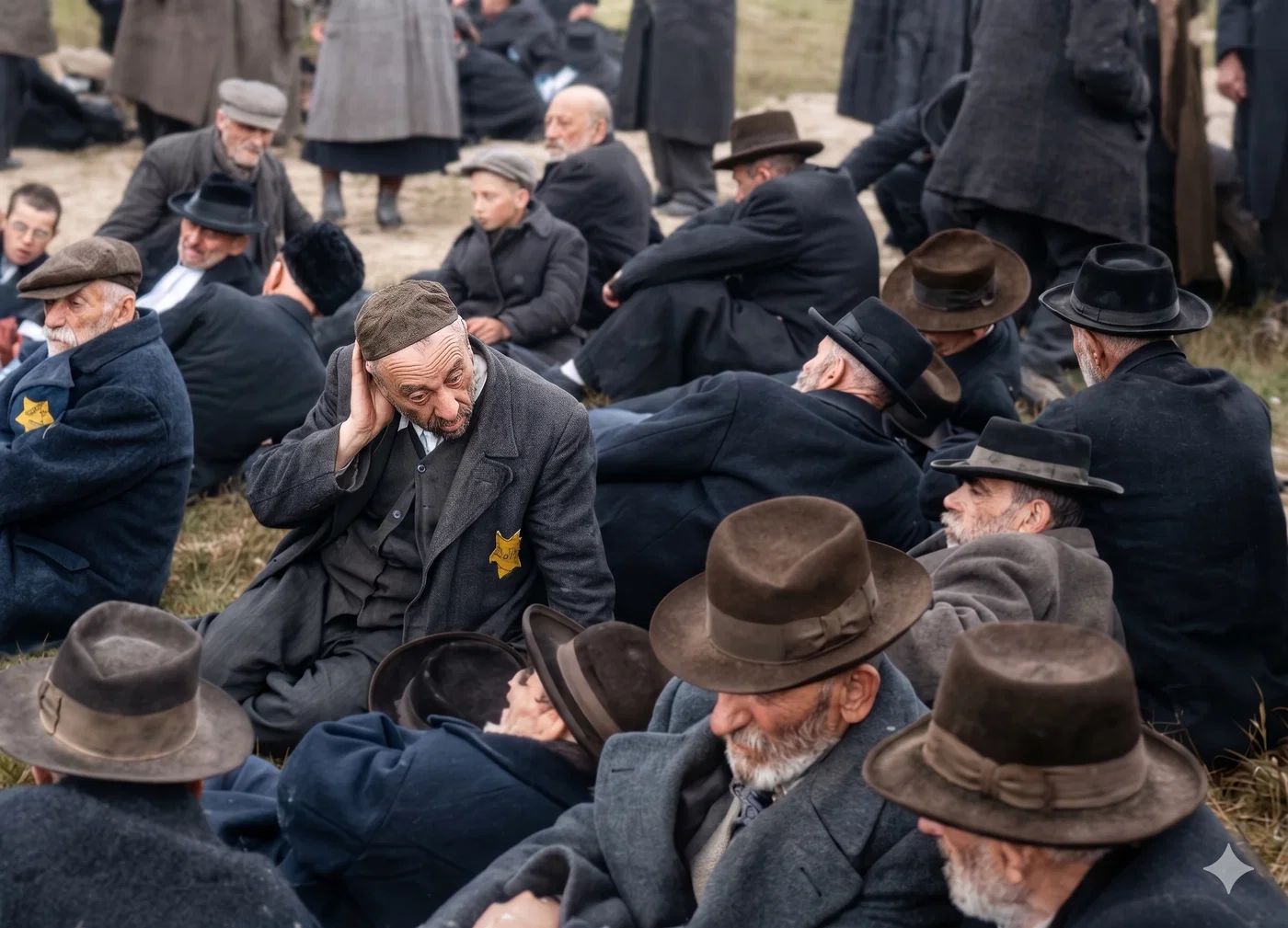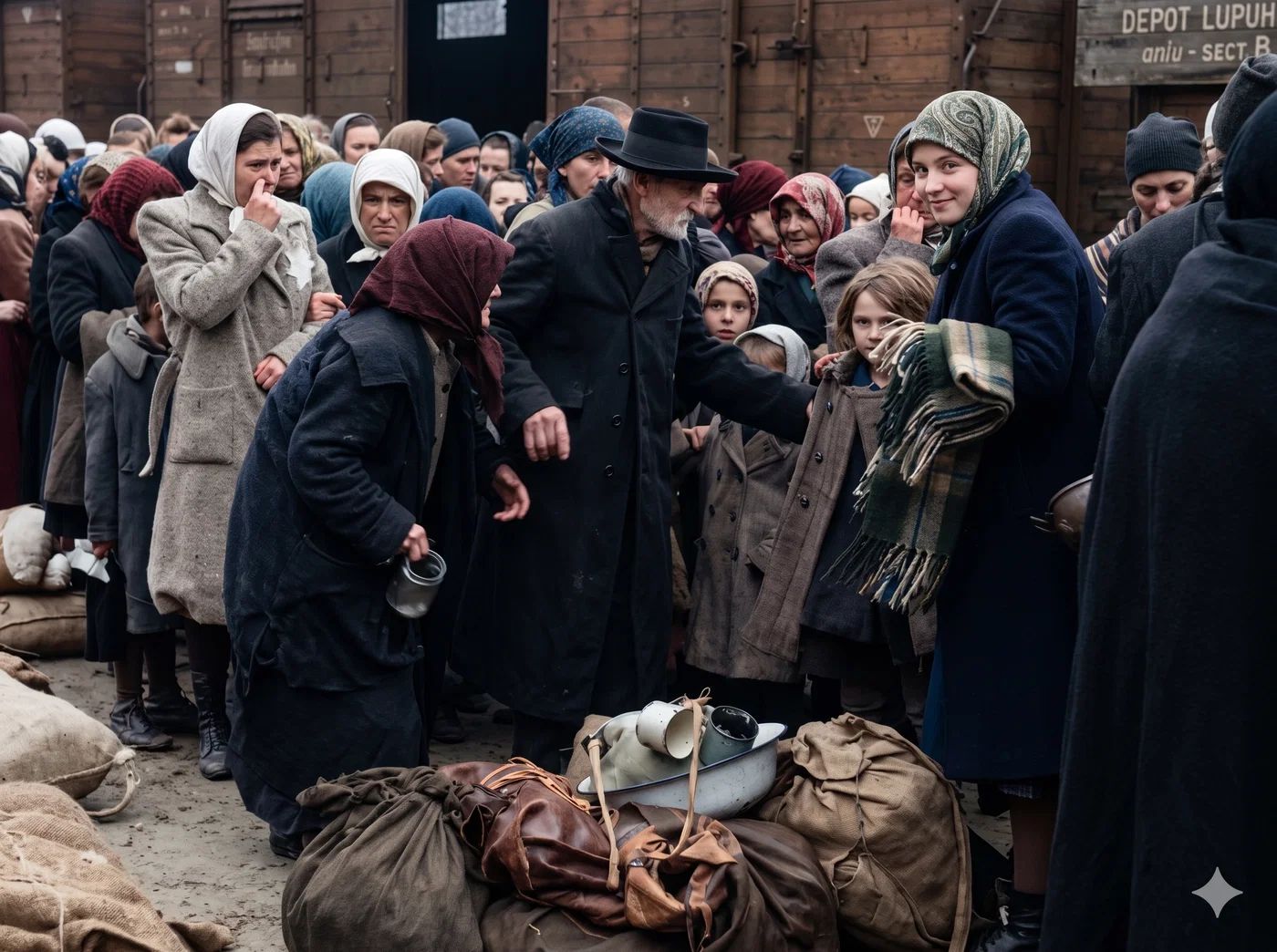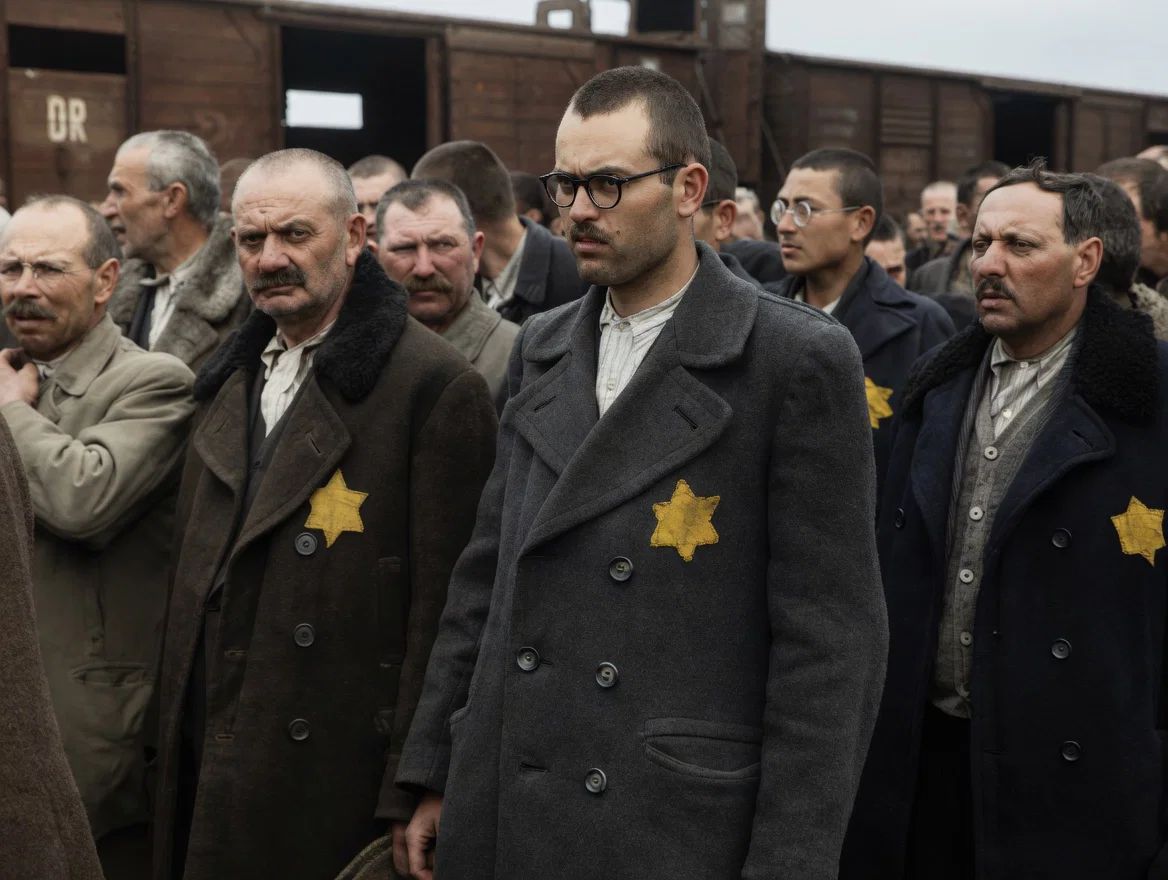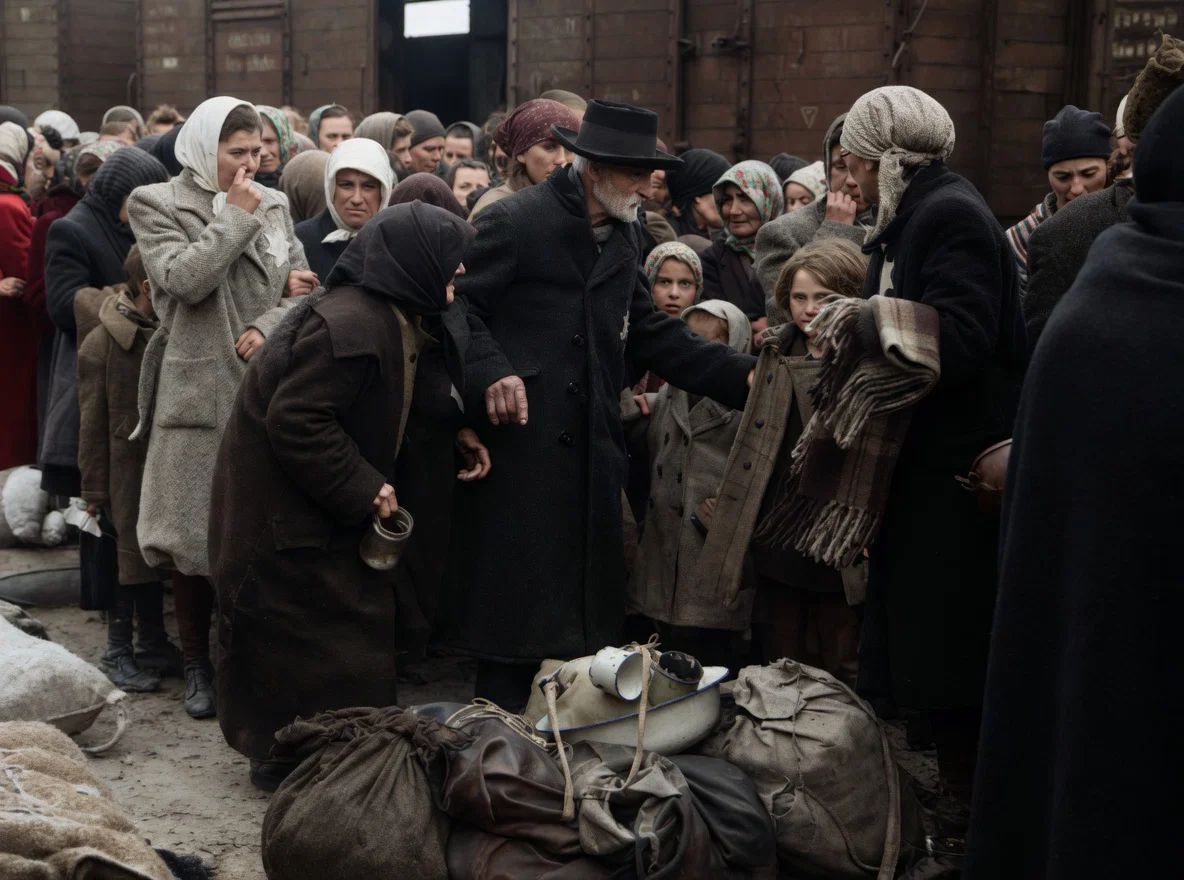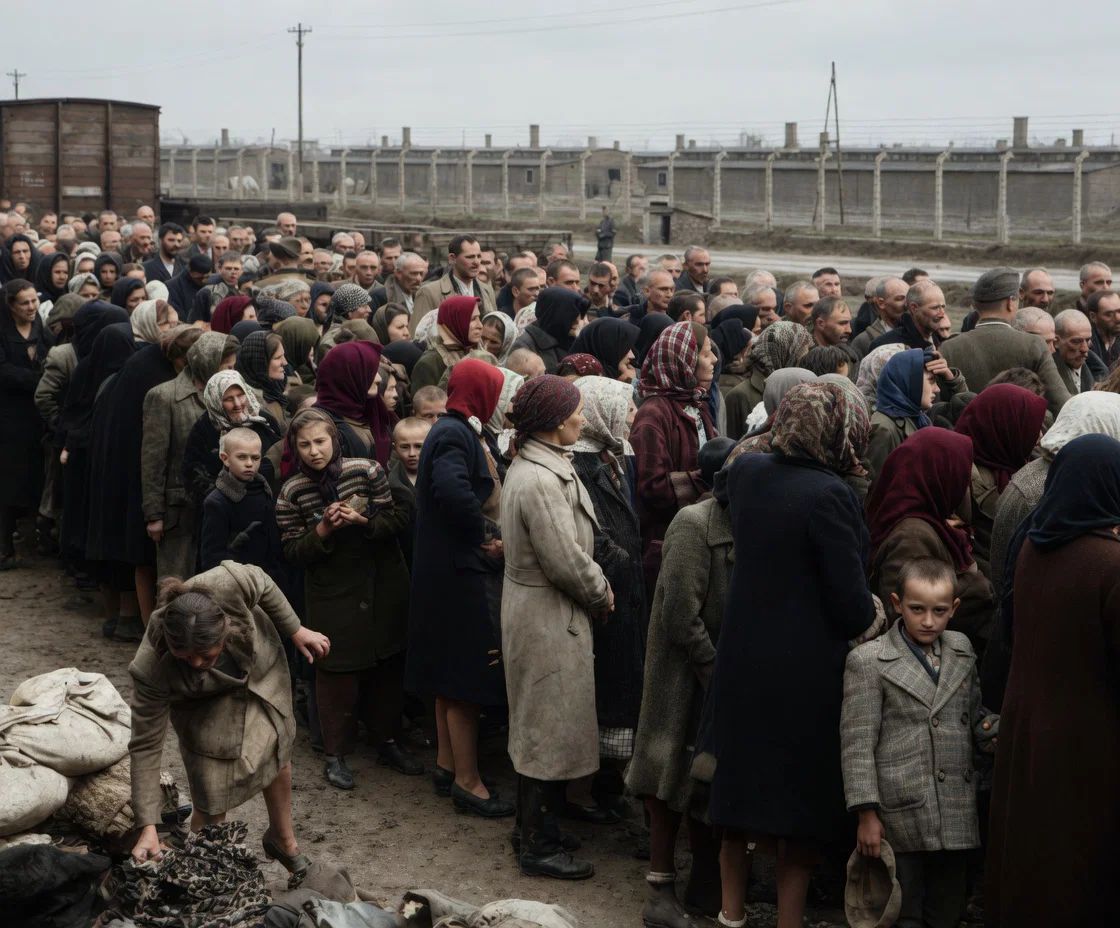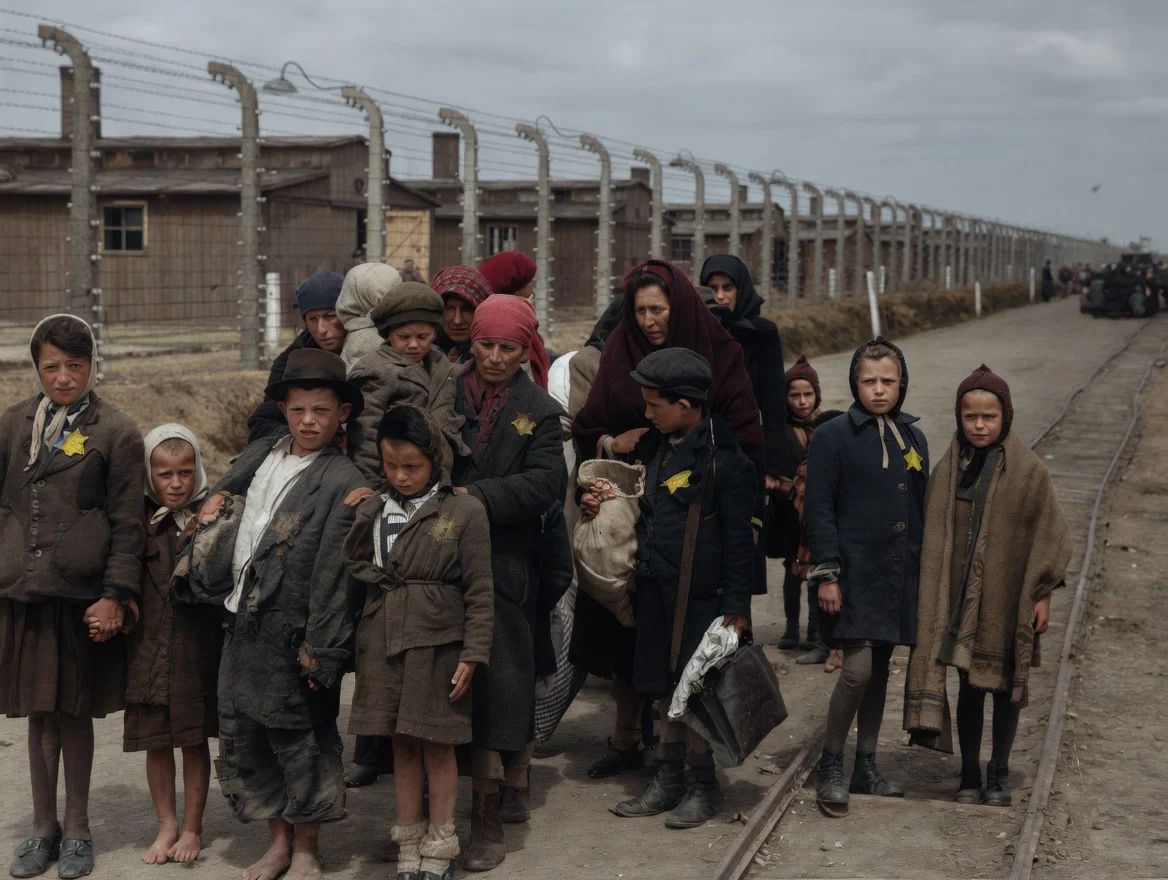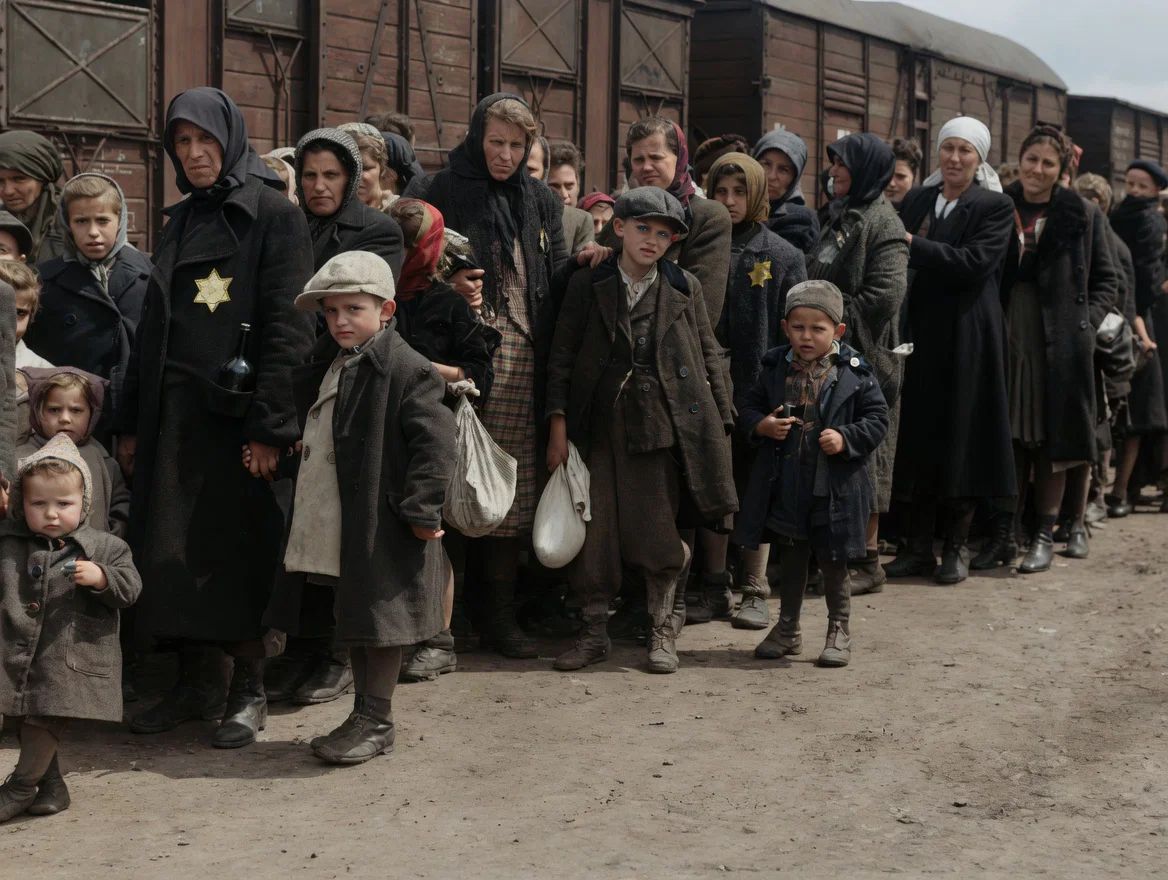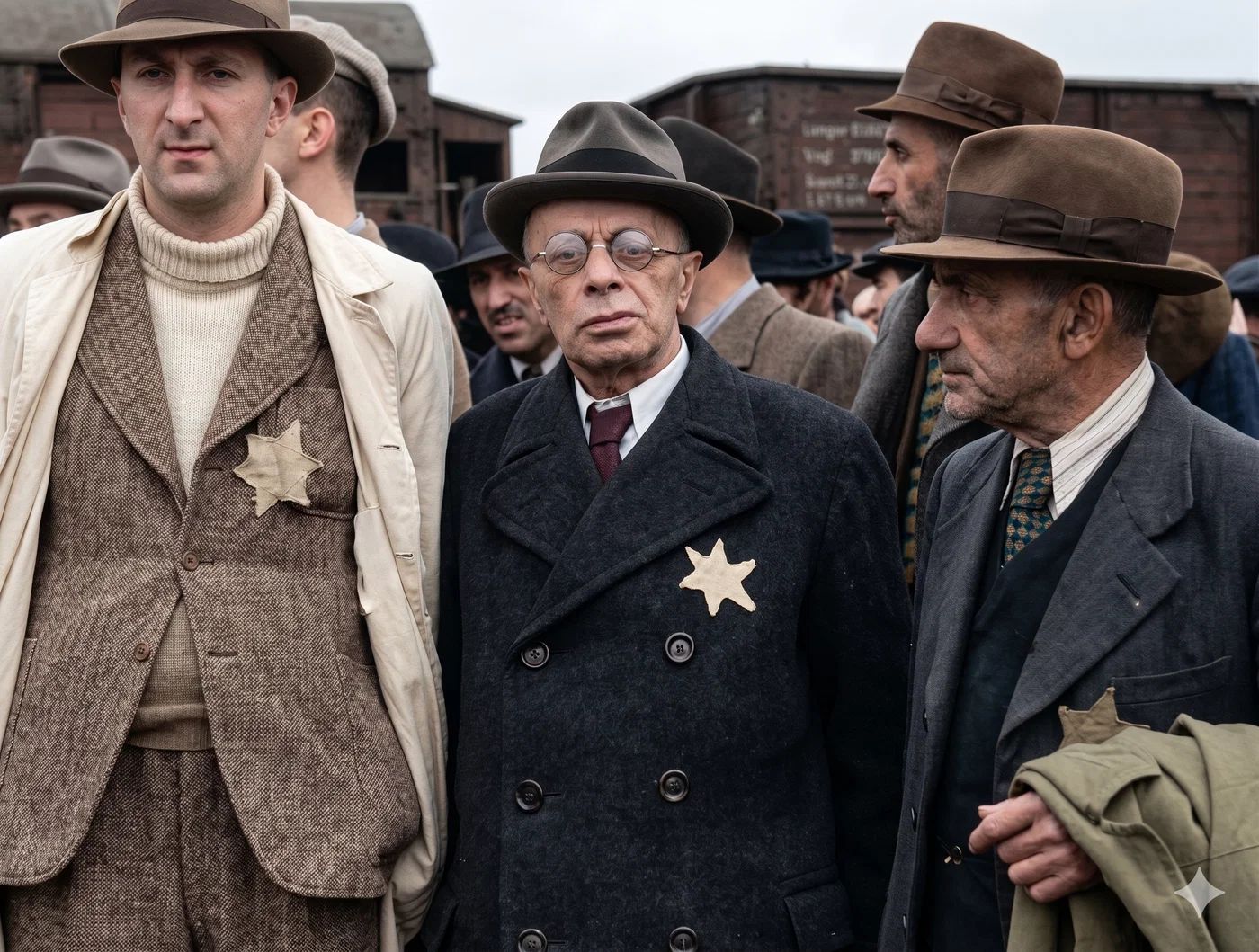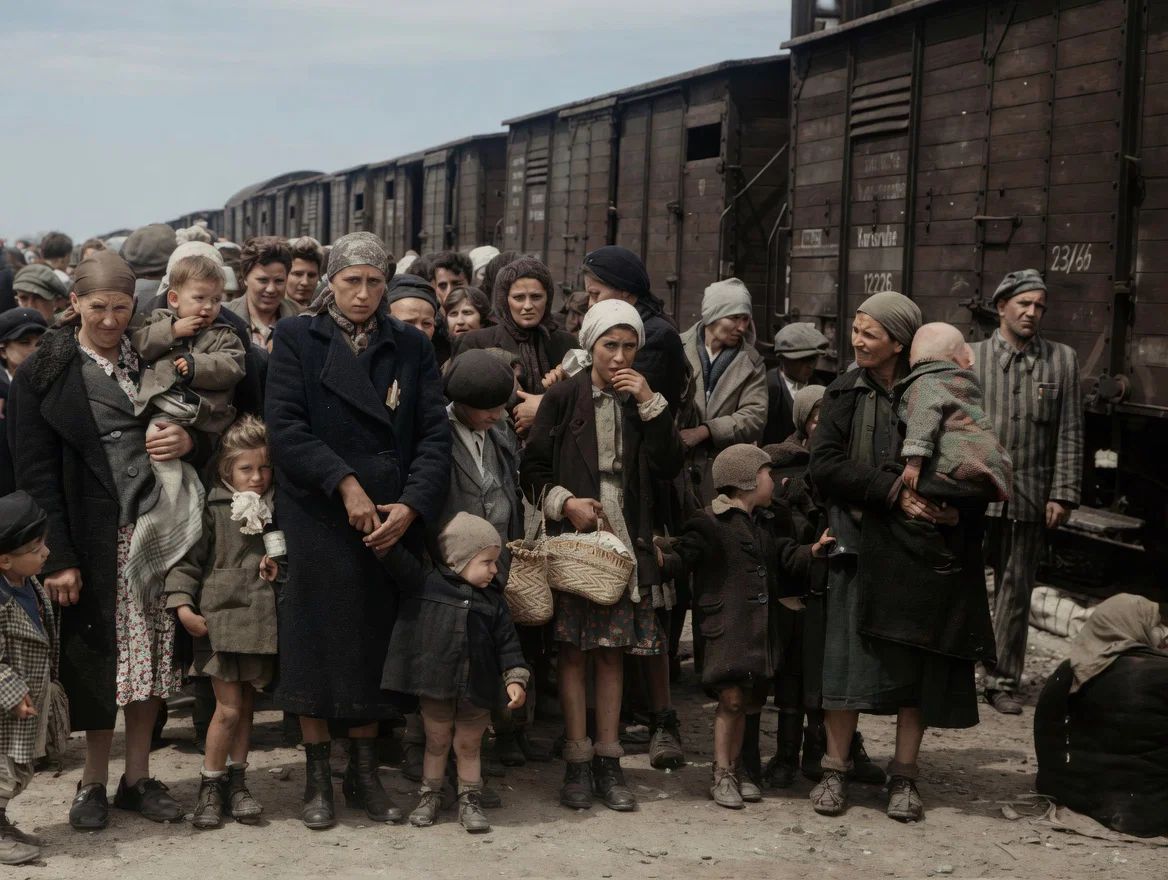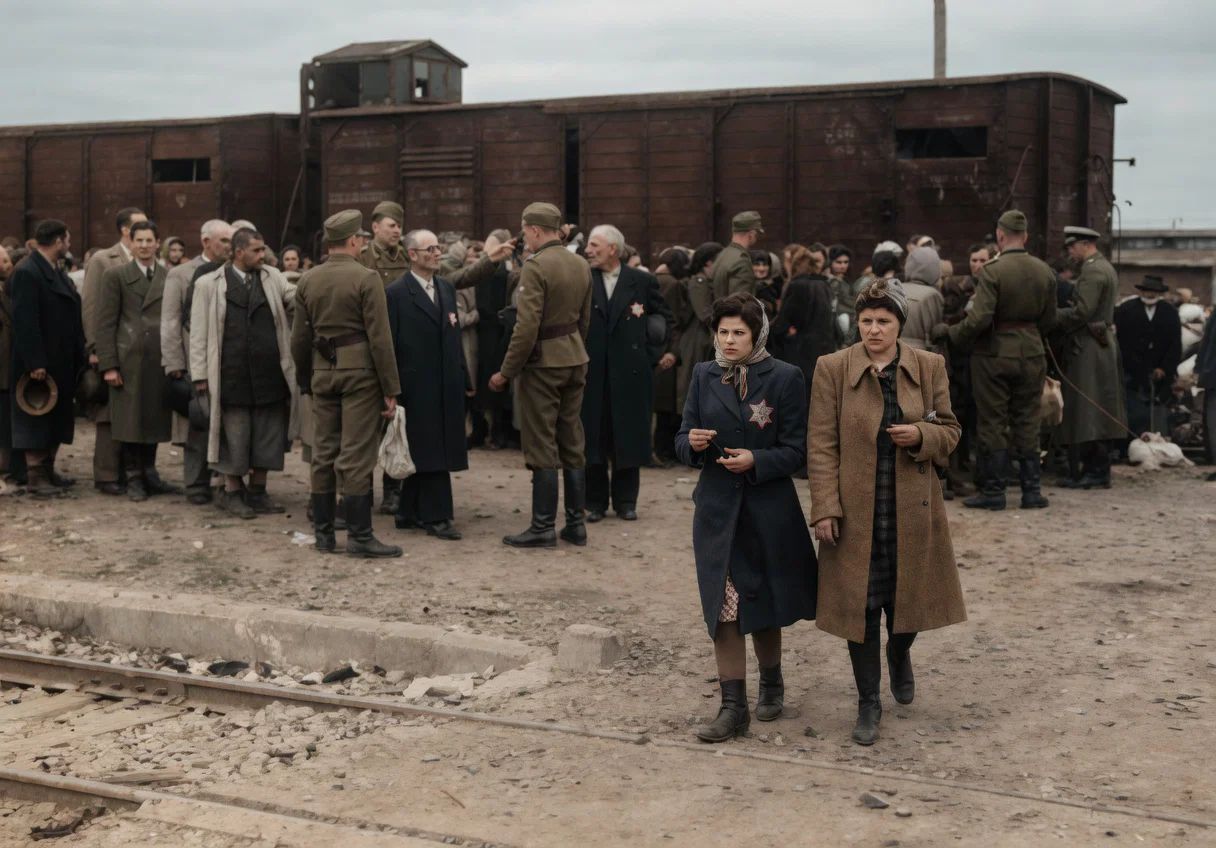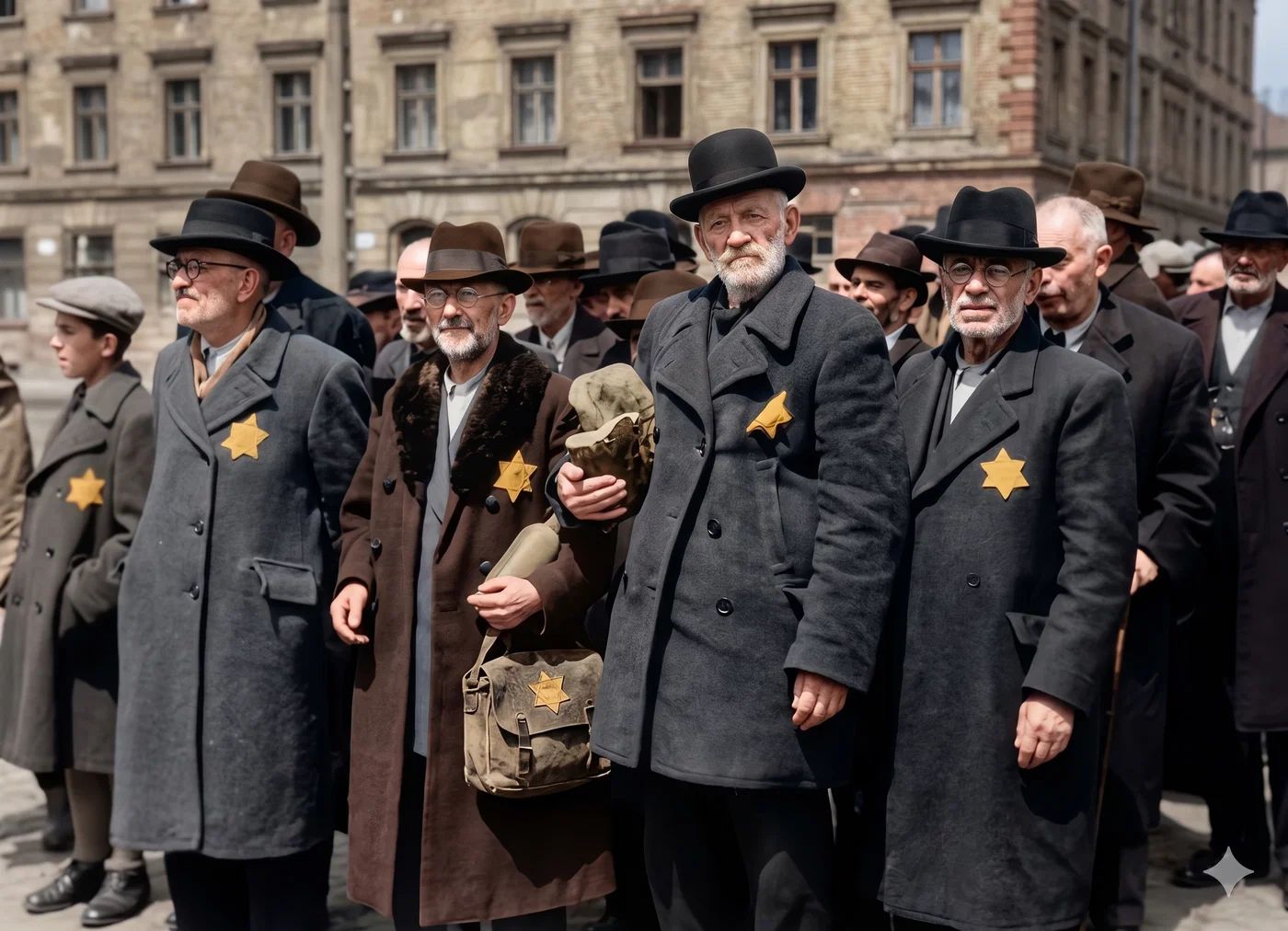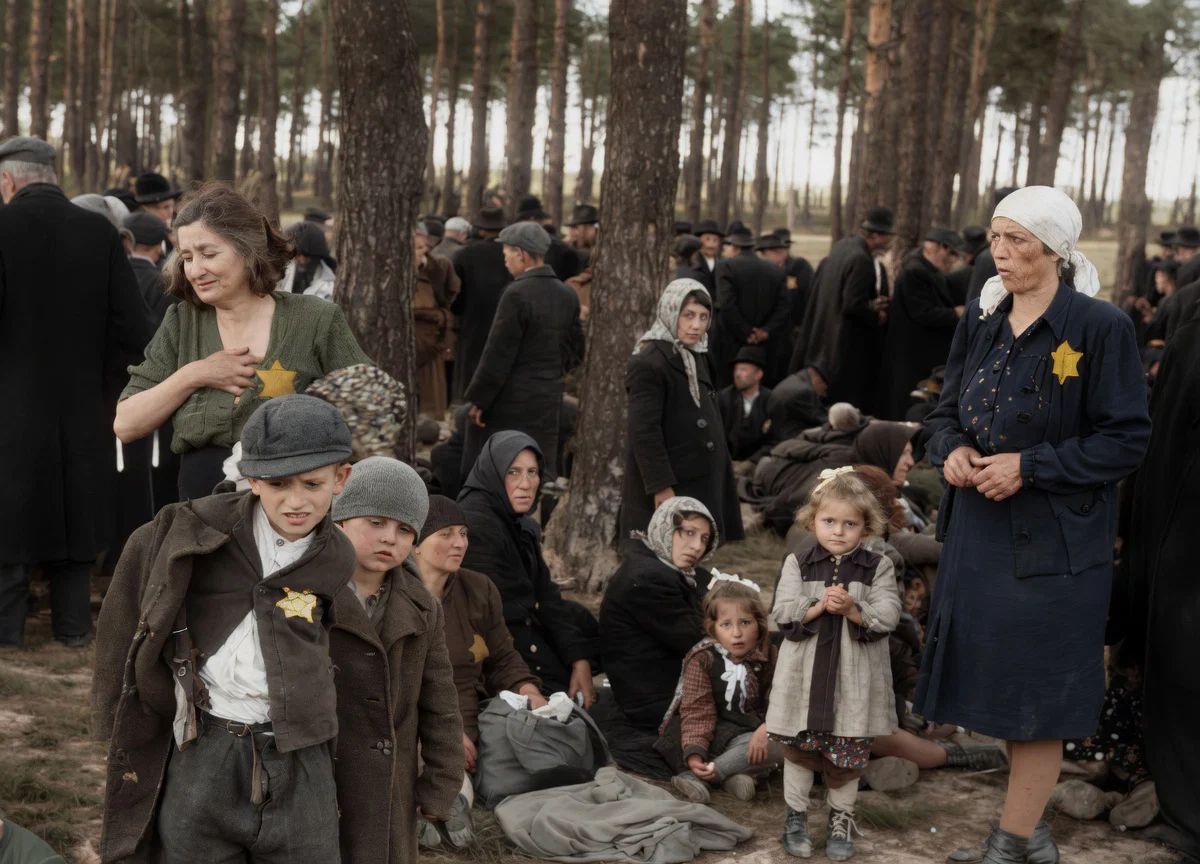
To mark Holocaust Remembrance Day, a groundbreaking technological project is stripping away the "safe distance" of black-and-white photography. Using advanced Artificial Intelligence, the famous "Auschwitz Album" - the most detailed visual record of the Nazi death machine, has been colorized, bringing the final moments of Hungarian Jewry into startling, painful focus.
The Documentation of Destruction
The Auschwitz Album is a unique historical document: a collection of approximately 200 photographs taken by Nazi photographers in the summer of 1944. It captures, frame by frame, the arrival of Jewish transports from Hungary at the Birkenau unloading ramp.
- The Reality of Color: For decades, the Holocaust has been viewed in grainy grays. "The color makes you realize these aren't just figures from a history book," project organizers explain. "These are our brothers and grandfathers, wearing clothes we would recognize, under a blue sky that looks exactly like the sky today."
- The Details of Life: The AI colorization reveals poignant details: the vibrant patterns of women's headscarves, the silver in the beards of community elders, and the rusted iron of the tracks that led to the abyss.
The "Ramp": A Snapshot of Horror
Ready for more?
Ready for more?
The colorized images depict the calculated chaos of the arrival process:
- The Arrival: Trains stopping at the Birkenau platform, where exhausted deportees descend after four days of starvation and thirst, leaving all their worldly possessions behind.
- The "Selection": Nazi doctors and officers standing in cold, wide-legged stances, a mere flick of a finger deciding between immediate death and slave labor.
- The Contrast: Families are seen in high-quality coats and silk dresses, symbols of the robust social structure of Hungarian Jewish life, standing in stark, tragic contrast to the industrial slaughterhouse surrounding them.