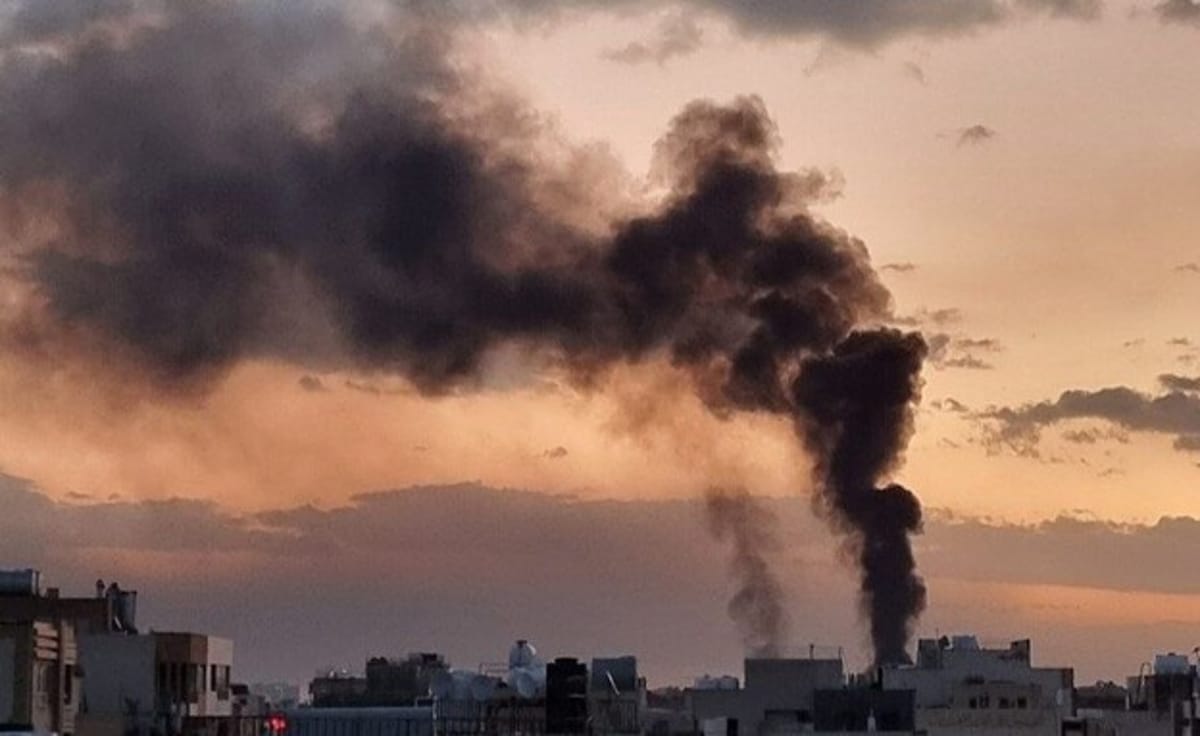
Israel and the United States are preparing for a possible return to military action against Iran after ceasefire negotiations collapsed over the weekend, according to multiple reports and official statements.
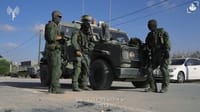
Hebrew-language media outlets reported that the IDF has moved to a heightened state of readiness following the failure of talks in Islamabad between Washington and Tehran. The discussions, which aimed to extend a two-week ceasefire brokered by Pakistan, ended without agreement.
According to the reports, IDF Chief of Staff Lt. Gen. Eyal Zamir instructed the military to prepare for an immediate resumption of fighting and to anticipate the possibility of an Iranian surprise attack. One report, citing a senior defense official, said Israel is interested in renewing the campaign, arguing the previous phase of fighting ended prematurely without sufficient pressure on Iran’s nuclear and missile programs.
The IDF has not formally confirmed the reports. However, Zamir said last week that the military is ready to return to combat “with full force” if required.
In Washington, officials are also weighing next steps. US President Donald Trump has ordered a naval blockade of Iranian ports, set to begin Monday, as part of an effort to increase pressure following the breakdown in negotiations. The US military said the move is intended to counter Iranian control over the Strait of Hormuz, a critical global energy route through which roughly 20 percent of oil and liquefied natural gas shipments pass.
US officials outlined a series of demands presented during the talks, including a complete halt to uranium enrichment, dismantling of nuclear facilities, and an end to Iranian support for terrorist proxies such as Hamas, Hezbollah, and the Houthis. Iran rejected the terms, accusing Washington of imposing maximalist conditions.
Iranian Foreign Minister Abbas Araghchi said Tehran had engaged in negotiations in good faith but blamed the collapse on shifting US demands and the decision to impose a blockade.
Meanwhile, Iran’s Islamic Revolutionary Guard Corps said it maintains full control over traffic in the Strait of Hormuz, warning that any military escalation could trigger severe consequences.
Diplomatic efforts are ongoing, with Pakistan reportedly continuing to mediate between the sides, though no immediate breakthrough appears likely.