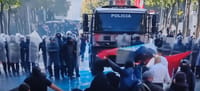
A viral trend has emerged on social media, with Kurdish women braiding their hair as a symbol of protest and solidarity following a horrific incident in Raqqa, Syria. Yesterday, a terrorist affiliated with Damascus-aligned forces killed a fighter from the Women's Protection Units (YPJ). Reports describe the assailant as linked to the Syrian Arab Army or groups like HTS and ISIS remnants under figures such as al-Jolani. After her death, the terrorist severed her braid and displayed it in a video, boasting of it as a "trophy" or "gift" to symbolize dominance over Kurdish women fighters.
Disturbing
Kurdish Women Worldwide Braid Hair in Defiant Response to Syrian Terrorist's Atrocity | WATCH
Kurdish women worldwide braid hair in protest after a militant in Raqqa, Syria, killed and desecrated a YPJ fighter by cutting her braid. Solidarity surges with chants of "Jin, Jiyan, Azadî" amid Rojava clashes.
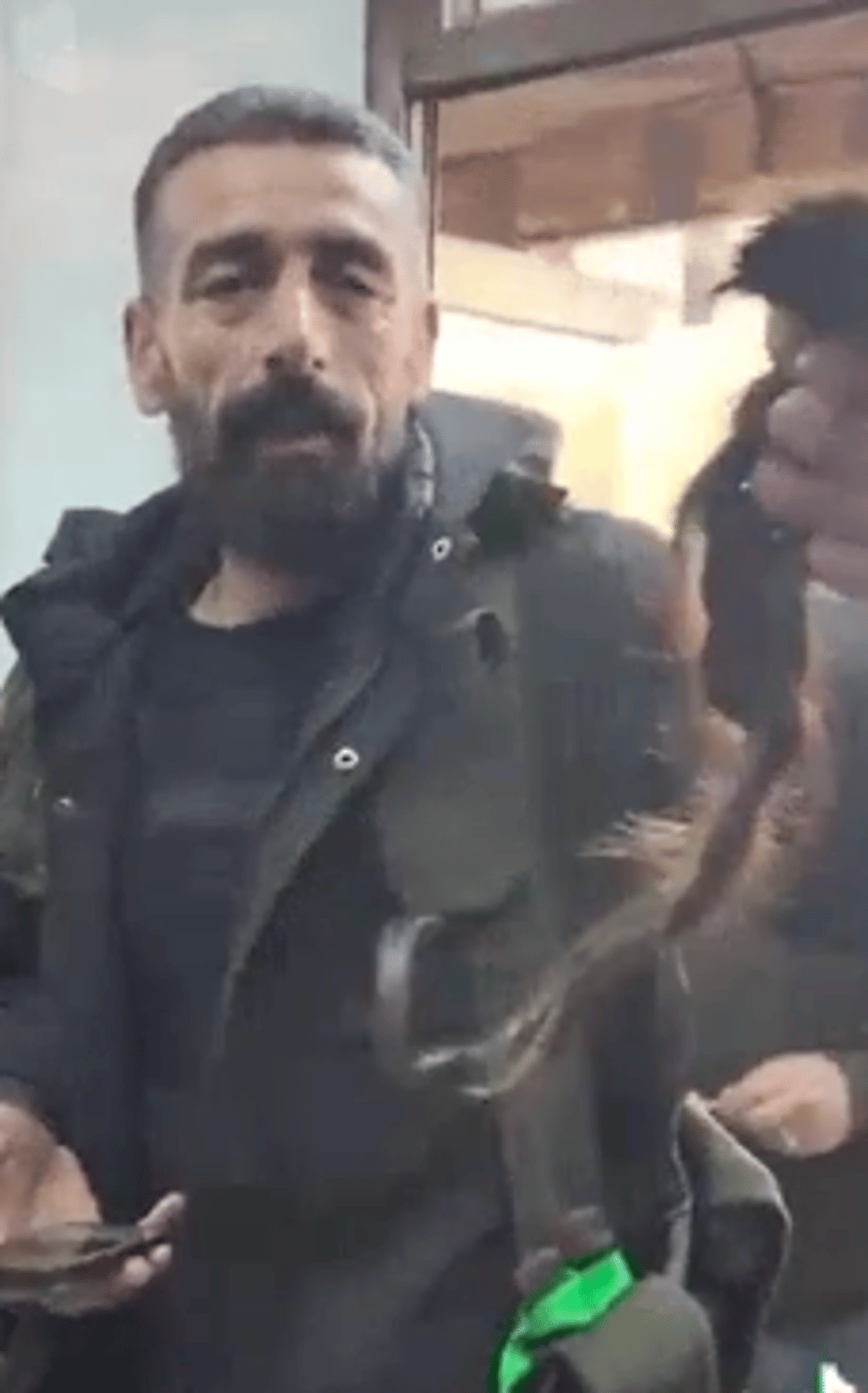
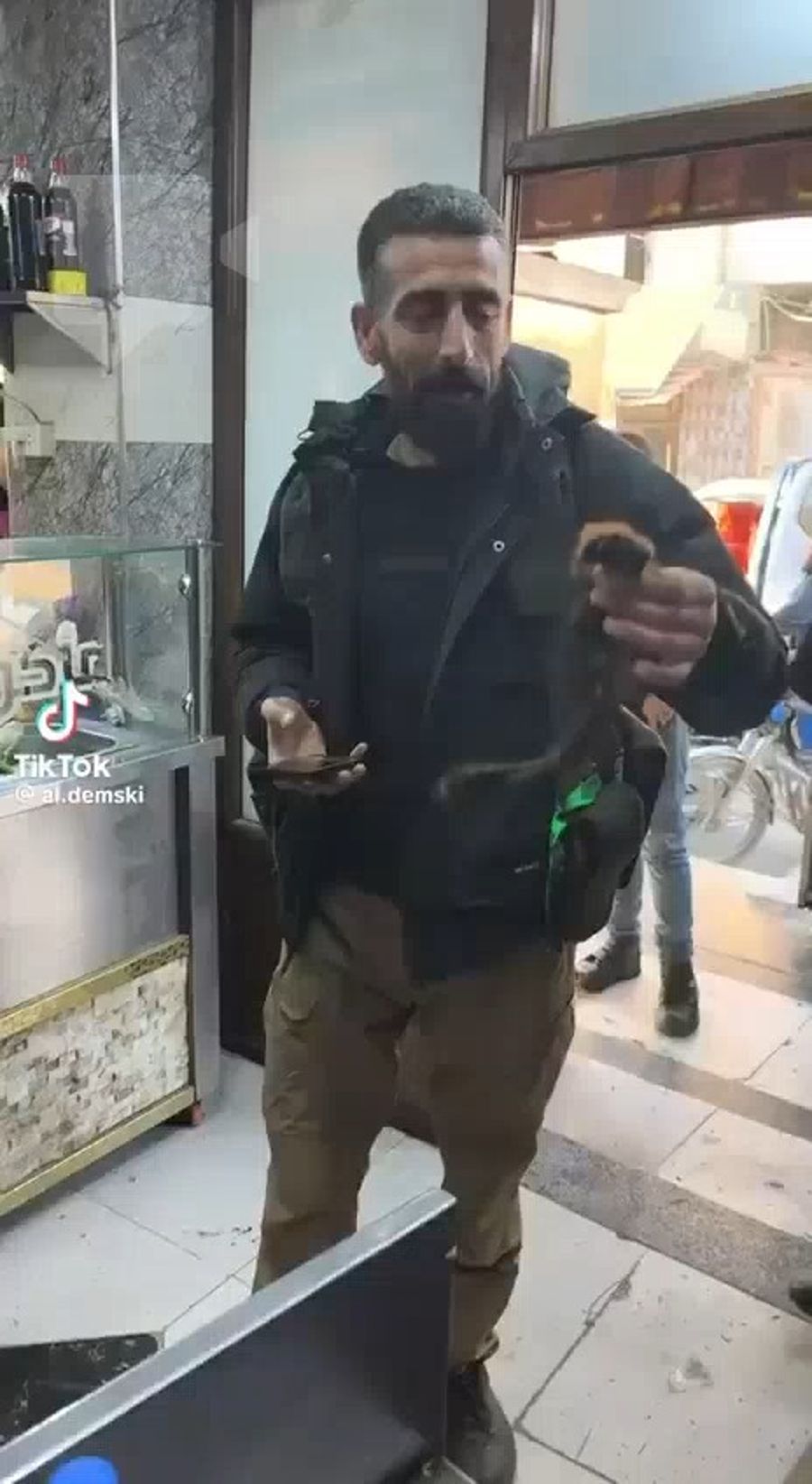
This act was viewed as an effort to shatter the resolve of Kurdish women, who have led the charge against ISIS and other jihadist groups in Syria.The YPJ fighter, identified in some posts as Zilan Cûdî, was killed during combat with these forces. The video of the militant showcasing the braid rapidly circulated online, igniting widespread outrage.
The event unfolded amid escalating clashes and ceasefire breaches in Rojava, where the Kurdish-led Syrian Democratic Forces (SDF) are repelling incursions.Reports indicate the militant may have been killed soon after, though this is unconfirmed. Other concerning reports indicate that he raped the Kurdish fighter before he executed her.
In response, Kurdish women around the world have shared videos of themselves braiding their hair, transforming the desecration into a emblem of resistance. The rallying cry "Cut one braid, we braid a thousand" or variations like "They cut her braids, we braid ours" has spread widely.
Thousands have joined, including YPJ fighters on the front lines braiding each other's hair while chanting "Jin, Jiyan, Azadî" (Woman, Life, Freedom).Media organizations such as Rudaw, Kurdistan24, and Channel8 have initiated campaigns, including hashtags like ##BraidsOfResistance, drawing in young girls and Kurds globally.
Support has extended beyond the Kurdish community, with non-Kurds, such as an Arab woman advocating for the YPJ, participating.
In Kurdish tradition, long hair and braids signify beauty, strength, and identity. While cutting hair often denotes mourning or profound protest, the current braiding movement reappropriates it as empowerment against jihadist ideologies.
Groups like Kongra Star and Tevgera Jinên Azad (TJA) have urged fighters to send braiding videos to broaden the message.The trend has transcended Kurdish circles, fostering calls for international solidarity against "ISIS mentality" and the oppression in Rojava.
Broadly, in Kurdish areas spanning Syria, Iraq, Turkey, and Iran, hair is revered, long braids symbolizing femininity, fertility, and cultural pride. Voluntary cutting is a drastic expression of sacrifice or fury, while forced cutting, as in the recent case, is a profound violation. tiktok.comThis connects to feminist opposition against patriarchal and jihadist dominance.
The 2026 braiding trend revitalizes the "Jin, Jiyan, Azadî" ethos from 2022, connecting it to present dangers in Rojava.
It underscores persistent challenges: Kurdish women have triumphed over ISIS on a global scale but confront betrayals, such as U.S. withdrawals that facilitate Turkish-backed assaults. Advocates stress that global inaction perpetuates such atrocities.