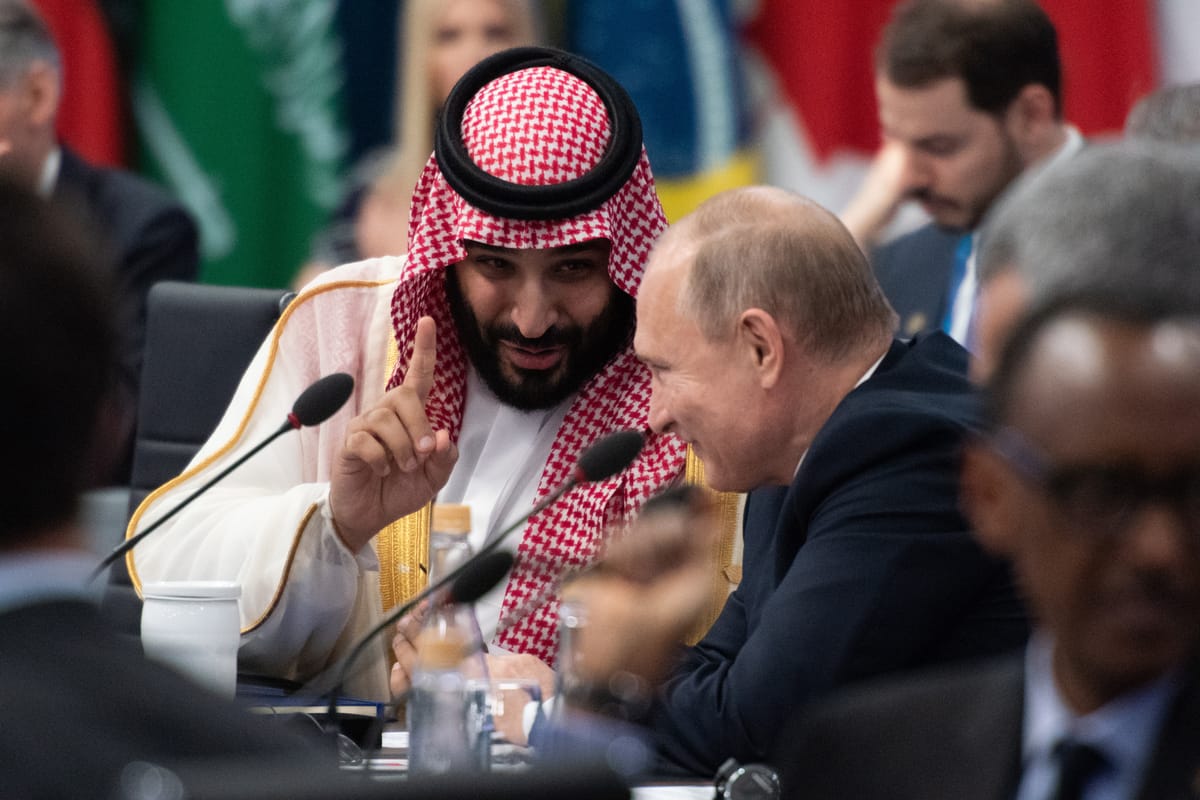
A pivotal meeting is scheduled for Friday in Washington, D.C., where prominent American Jewish organizations will sit down with Saudi Defense Minister Khalid bin Salman, the brother of Crown Prince Mohammed bin Salman. This diplomatic encounter comes at a moment of extreme friction, as Riyadh appears to have pivoted away from the hope of joining the Abraham Accords and toward a new strategic alignment with countries traditionally hostile to Israel, such as Qatar and Turkey. While the Trump administration continues to push for a normalization deal, Jewish leaders are increasingly alarmed by a surge in antisemitic and Islamist rhetoric emerging from the Kingdom in recent months. The meeting serves as a high-stakes arena for these groups to address whether Saudi Arabia remains a moderating force or if the October 7 massacre by Hamas terrorists has permanently pushed the Arab powerhouse into a radical new direction.
The Realignment of Riyadh
The list of invited organizations includes the Foundation for Defense of Democracies, the American Jewish Committee, the Conference of Presidents of Major American Jewish Organizations, the Anti-Defamation League, and the Republican Jewish Coalition. For many of these groups, the invitation presents a difficult choice. On one hand, they wish to maintain the long-standing effort to bring Saudi Arabia into a formal peace treaty with Israel. On the other, they are witnessing a Saudi leadership that is drawing closer to Pakistan and Turkey while demanding the United Arab Emirates withdraw from strategic areas in Yemen. Analysts suggest this meeting may be "complete window dressing" intended to rationalize the Kingdom's new alliances.
The Saudi defense minister's visit coincides with urgent talks involving Secretary of State Marco Rubio and U.S. Special Envoy Steve Witkoff. Experts believe the Saudis want to send an unmistakable message that they will not join the Abraham Accords without the immediate establishment of a Palestinian state, especially with rumors circulating of an upcoming visit by Prime Minister Netanyahu to Washington. There is a growing consensus that if Jewish organizations attend, they must deliver a "stern message" that promoting antisemitism and forming alliances with destructive regional actors is a barrier to any future cooperation.
War Clouds and Diplomatic Desperation
The backdrop of these meetings is the looming threat of an all-out war with Iran. President Trump has ordered a major military buildup in the Gulf to prepare for potential strikes against the Iranian regime's nuclear and missile infrastructure. As part of this preparation, Israeli military intelligence chief Gen. Shlomi Binder has been in Washington sharing intelligence on Iranian targets with the Pentagon and CIA. Saudi Arabia finds itself in a precarious position, highly concerned about the consequences of a regional war while simultaneously distancing itself from its former strategic partners in the UAE.
Before the war in Gaza, the prospect of Saudi-Israeli normalization appeared to be a reality. However, the attack by Hamas terrorists successfully derailed that progress, seemingly achieving one of the group's primary goals. Michael Makovsky, president of the Jewish Institute for National Security of America, noted that the administration needs to "step back and reflect" on the Saudi shift. If a country once considered a moderating influence is now adopting radical rhetoric, it may necessitate a complete rethink of how the U.S. approaches its regional objectives. As the American armada gathers in the Gulf, the meeting on Friday may be the last chance for Jewish leaders to determine if the Saudi door to peace is truly closed or if Riyadh is simply playing a complex double game amidst the chaos of the Middle East.