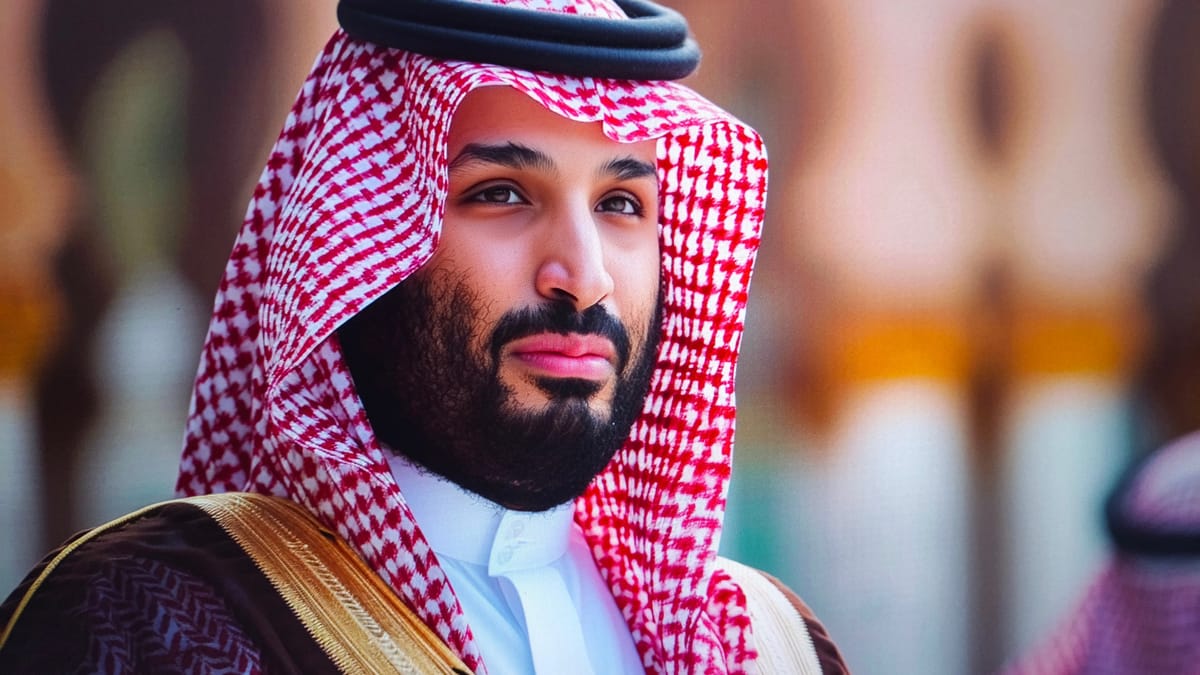
Saudi Crown Prince Mohammed bin Salman has pressed President Donald Trump in recent conversations to continue the U.S.-Israeli military campaign against Iran, arguing that the conflict presents a rare “historic opportunity” to reshape the Middle East by eliminating Tehran’s hard-line regime, according to a New York Times report.
In several calls over the past week, the de facto Saudi ruler told Trump that Iran represents a long-term existential threat to the Gulf and that there is no way to neutralize it short of removing the current government, the newspaper said, citing U.S. officials briefed on the discussions.
The crown prince went further, suggesting the United States should consider deploying forces inside Iran to seize control of its energy infrastructure as a way to force regime change, the report said. When Trump expressed concerns about the potential for higher oil prices and broader economic damage, Prince Mohammed reassured him that any such consequences would be temporary, the Times reported.
The disclosure comes as the U.S. and Israel press a sustained air campaign against Iranian targets while Trump has publicly weighed scaling back operations and pursuing talks aimed at reopening the Strait of Hormuz. Saudi Arabia has so far avoided direct involvement in the fighting but has grown more assertive behind the scenes as Iranian missiles and drones have targeted Gulf infrastructure.
The New York Times report, published Monday, echoes earlier accounts of Saudi pressure on the White House but provides new details on the scope of Prince Mohammed’s recommendations, including explicit discussion of ground operations and energy-site seizures — steps that would mark a significant escalation beyond the current air campaign.
Saudi officials have previously denied similar reports. Last week, a Saudi source told Al Arabiya that claims the kingdom was encouraging a prolonged war were false. Neither the Saudi government nor the White House immediately responded to requests for comment on the latest Times account.
The conversations between Prince Mohammed and Trump reflect Riyadh’s long-standing view of Iran as its primary regional adversary. Saudi Arabia has quietly expanded military cooperation with the U.S. and allowed greater American access to bases in the kingdom as the conflict intensifies.