The US Supreme Court on Tuesday refused to allow President Donald Trump to deploy National Guard troops to the Chicago area, delivering a rare setback to the administration as it seeks to expand the military’s role in domestic operations tied to immigration enforcement.
The justices let stand a lower court order blocking the deployment of several hundred National Guard troops, rejecting the Justice Department’s request to allow the move while legal challenges proceed. In an unsigned order, the court said the administration had failed, at this stage, to show it had legal authority to use the military to execute laws in Illinois.
The court indicated that a president’s power to federalize National Guard forces likely applies only in “exceptional” circumstances. Justices Samuel Alito, Clarence Thomas and Neil Gorsuch dissented.
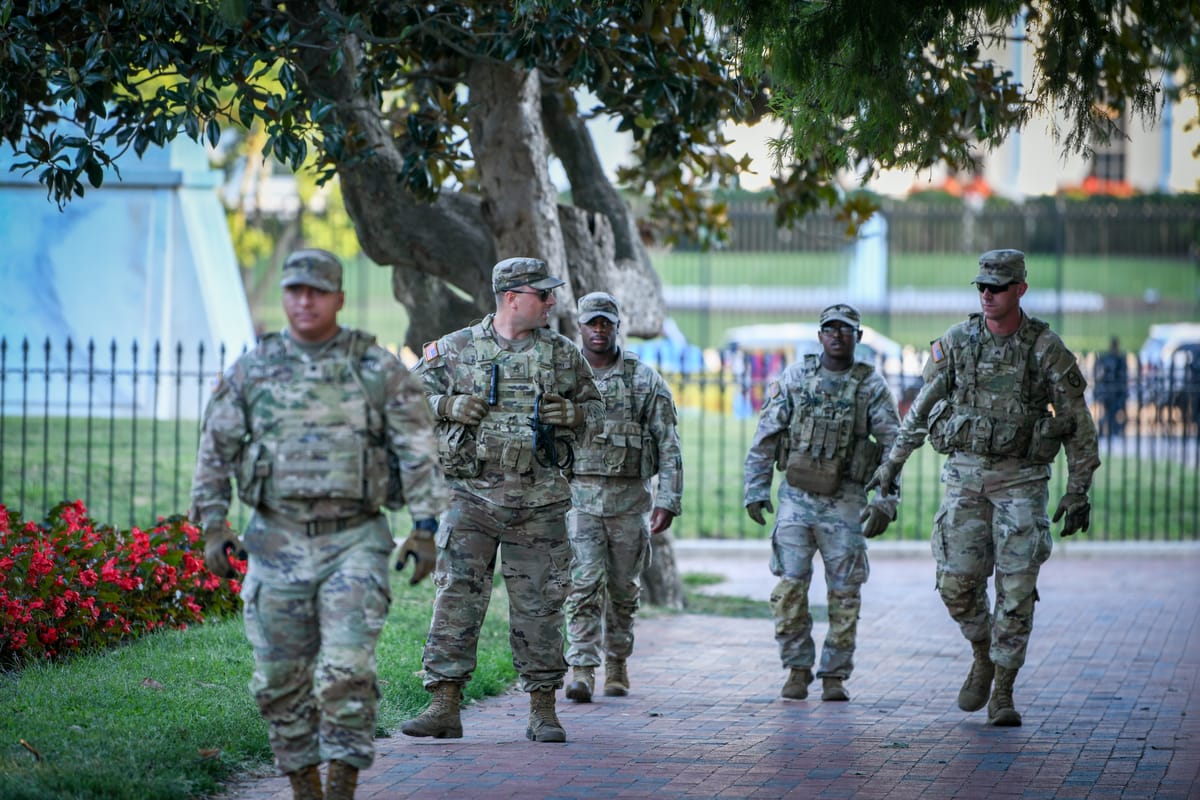
The ruling halts Trump’s plan to deploy Guard units to Chicago following similar efforts in Portland, Los Angeles, Memphis and Washington, DC. The administration has argued that troops are needed to protect federal property and Immigration and Customs Enforcement personnel amid protests against aggressive immigration enforcement.
Illinois officials and Chicago leaders disputed that claim, saying protests near an ICE detention facility in the Chicago suburb of Broadview were limited, largely peaceful and manageable by local law enforcement. They accused Trump of abusing his authority to target Democratic-led jurisdictions.
US District Judge April Perry blocked the deployment in October, finding no evidence of rebellion or breakdown in law enforcement. She warned that sending troops would “only add fuel to the fire” and criticized the administration for equating protests with riots. A federal appeals court later upheld her ruling.
Trump relied on a federal law allowing presidents to deploy National Guard troops if they are unable to enforce the law using “regular forces.” Courts have questioned whether that term refers to the standing military rather than civilian agencies such as ICE, and whether the law permits the Guard to be used for domestic law enforcement at all.
The White House said the ruling would not deter Trump’s immigration agenda. Illinois Governor JB Pritzker welcomed the decision, calling it an important step in curbing what he described as an abuse of presidential power.
The decision could complicate Trump’s efforts to use the National Guard in other cities, though legal experts note he could still invoke the Insurrection Act, a far more controversial step that would allow broader use of military forces inside the United States.
The ruling marks one of the most significant legal defeats Trump has faced since returning to office, particularly notable given the court’s conservative majority, which has often sided with the administration on assertions of executive authority.