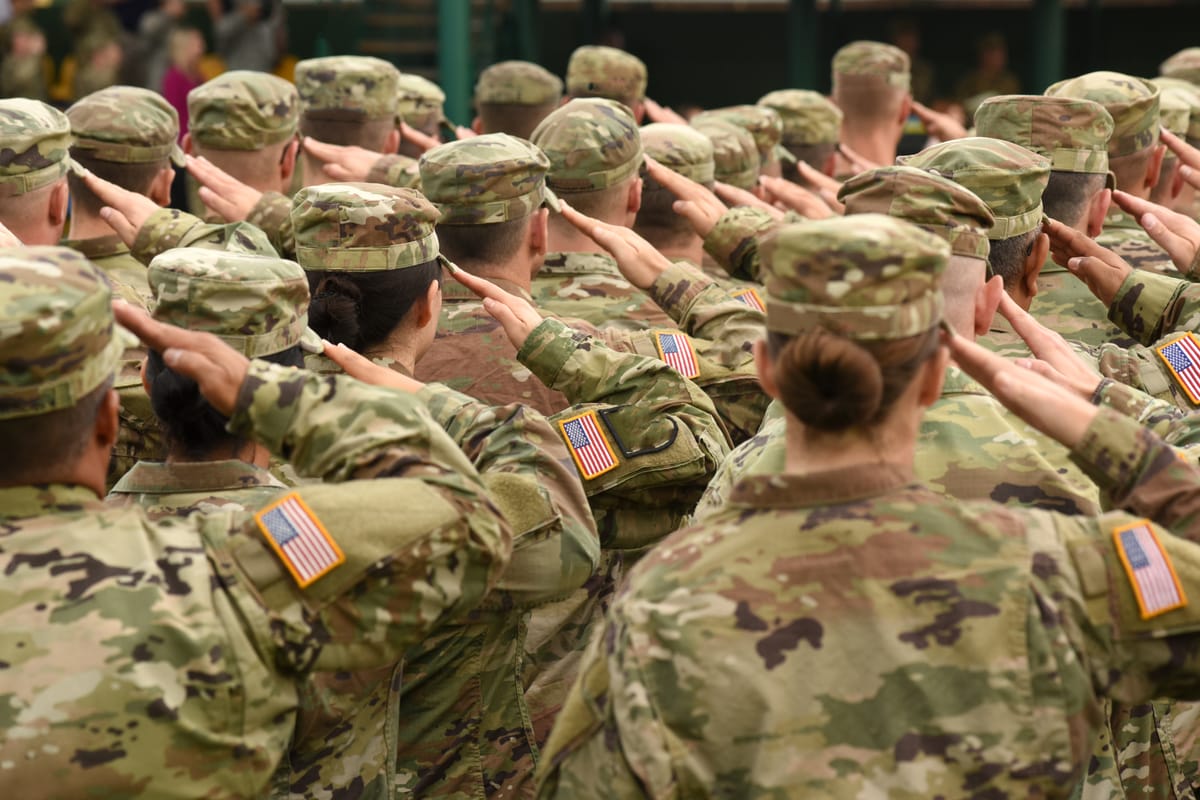
The Trump administration is seriously weighing the deployment of thousands of additional US troops to the Middle East, a dramatic escalation that would extend American military reach into Iran's most strategic territory as the conflict enters its third week, sources tell Reuters.
The options being reviewed across the White House and Pentagon corridors are sweeping in scope and ambition. Among them: securing oil tanker passages through the Strait of Hormuz, deploying ground forces along Iran's coastline, and, in perhaps the most audacious proposal, establishing a military foothold on Kharg Island, the staging ground for approximately 90% of Iran's oil exports. US officials have been blunt about the stakes: such operations carry serious risks, given Iran's demonstrated capacity to strike with missiles and drones.
In separate discussions, the administration is also weighing the seizure or securing of Iran's enriched uranium stockpiles, a mission experts describe as "especially complex and dangerous"—an understatement for what would amount to a boots-on-the-ground raid into one of the world's most heavily defended nuclear programs.
The White House maintains official distance from any final decision. "The president is keeping all options open," officials said, emphasizing that no deployment order has been signed. Yet the very fact that these options are being seriously gamed out at the highest levels reveals a fundamental shift in how Washington is now thinking about this conflict.
Since fighting erupted in late February, American air power has been relentless: more than 7,800 strikes, over 120 Iranian vessels destroyed. But air campaigns have limits. The administration's stated objectives, degrading Iran's missile capabilities, dismantling its navy, and preventing nuclear weapons acquisition, increasingly look like operations that might require boots, not just bombers.
Meanwhile, the administration is simultaneously signaling it may not want to shoulder the burden of securing the Strait of Hormuz alone, a hint that allied involvement, or American air cover for regional proxies, could become part of the equation.
What began as a campaign of air strikes is gradually, almost inevitably, becoming something far larger.