The United Arab Emirates’ ambassador to the United States, Yousef Al Otaiba, called for a decisive end to the war with Iran that would eliminate Tehran’s long-term threat to the region, in an op-ed published Wednesday.
Writing in the Wall Street Journal, Al Otaiba argued that the conflict must conclude in a way that addresses what he described as the full scope of Iran’s military and regional activities, signaling a tougher public stance from Gulf states as the war intensifies.
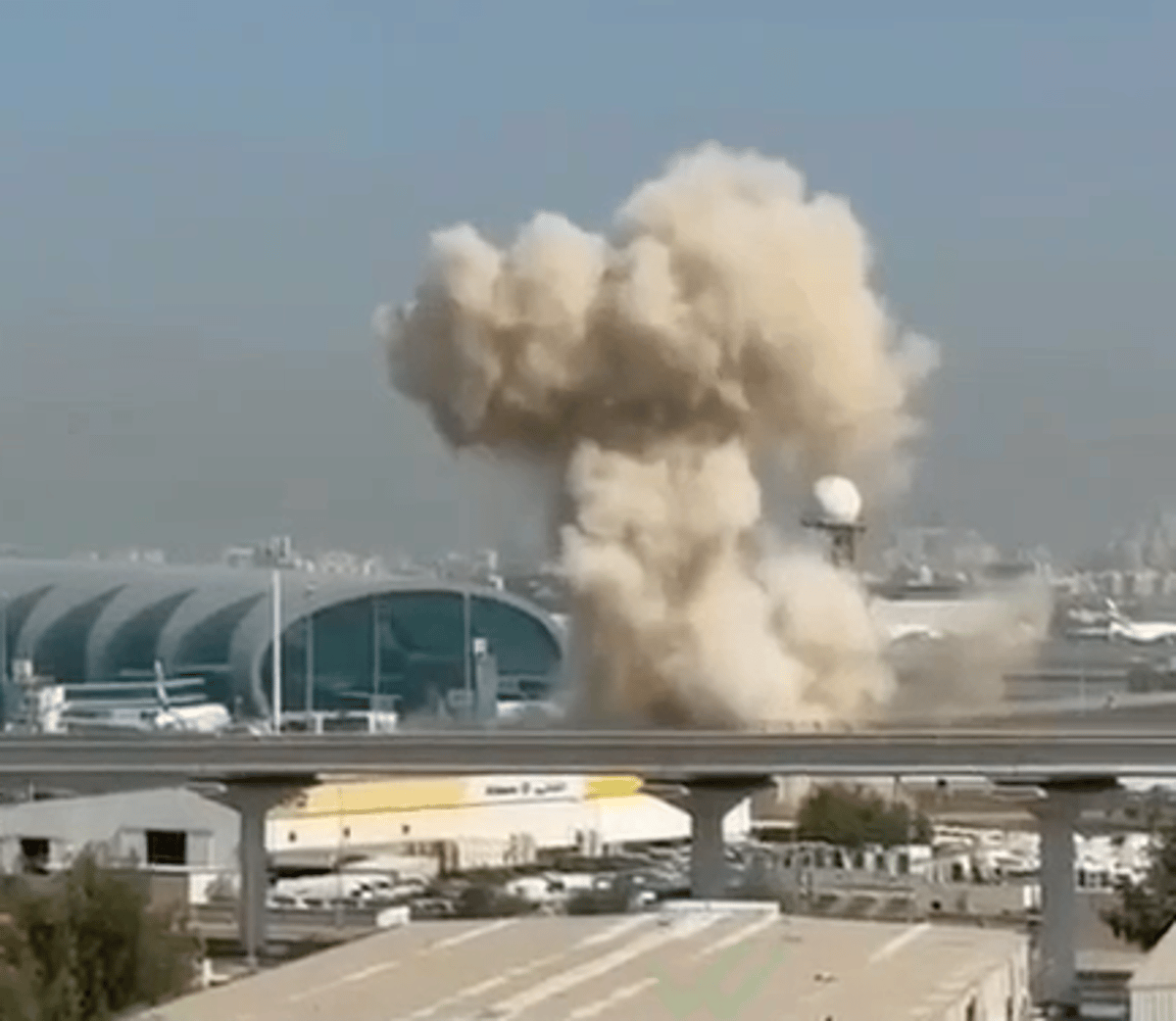
The op-ed, titled “The UAE Stands Up to Iran,” comes as countries across the Gulf have increasingly warned about the impact of Iranian missile and drone attacks on civilian areas and critical energy infrastructure.
That shift has also been reflected in diplomatic forums. Representatives from the UAE and Kuwait told the UN Human Rights Council this week that Iran’s attacks pose an “existential threat” and accused Tehran of seeking to destabilize the international order through continued aggression and regional expansion.
At the same time, reporting indicates that Gulf states are growing concerned about efforts to end the war before Iran’s capabilities are significantly degraded. Officials in Saudi Arabia and the UAE have warned that a premature ceasefire could leave Tehran with substantial leverage, particularly after recent attacks on energy facilities and ongoing threats to shipping routes.
The Strait of Hormuz, a critical artery for global oil supplies, remains a central point of tension. Disruptions in the waterway have contributed to volatility in energy markets and heightened concerns among Gulf economies heavily dependent on oil and gas exports.
The diplomatic messaging comes as the United States has reportedly presented Iran with a framework for ending the conflict, including conditions related to its nuclear program, missile development, regional proxy networks, and freedom of navigation. Iranian officials have rejected those terms and instead advanced their own demands, including financial compensation and recognition of claims tied to the Strait of Hormuz.
Al Otaiba’s decision to lay out the UAE’s position in a prominent US publication is notable given the country’s traditionally cautious public posture. The move suggests a growing willingness among Gulf leaders to more openly shape the debate in Washington over how the war should end.
The broader regional situation remains unstable, with continued military activity, population displacement, and disruptions to humanitarian and economic systems. Gulf states, many of which serve as key logistical and energy hubs, are increasingly exposed to both the direct and indirect consequences of the conflict.