
The United States and Iran could resume negotiations as early as this week, according to multiple sources, after high-level talks in Islamabad ended without a breakthrough over the weekend.
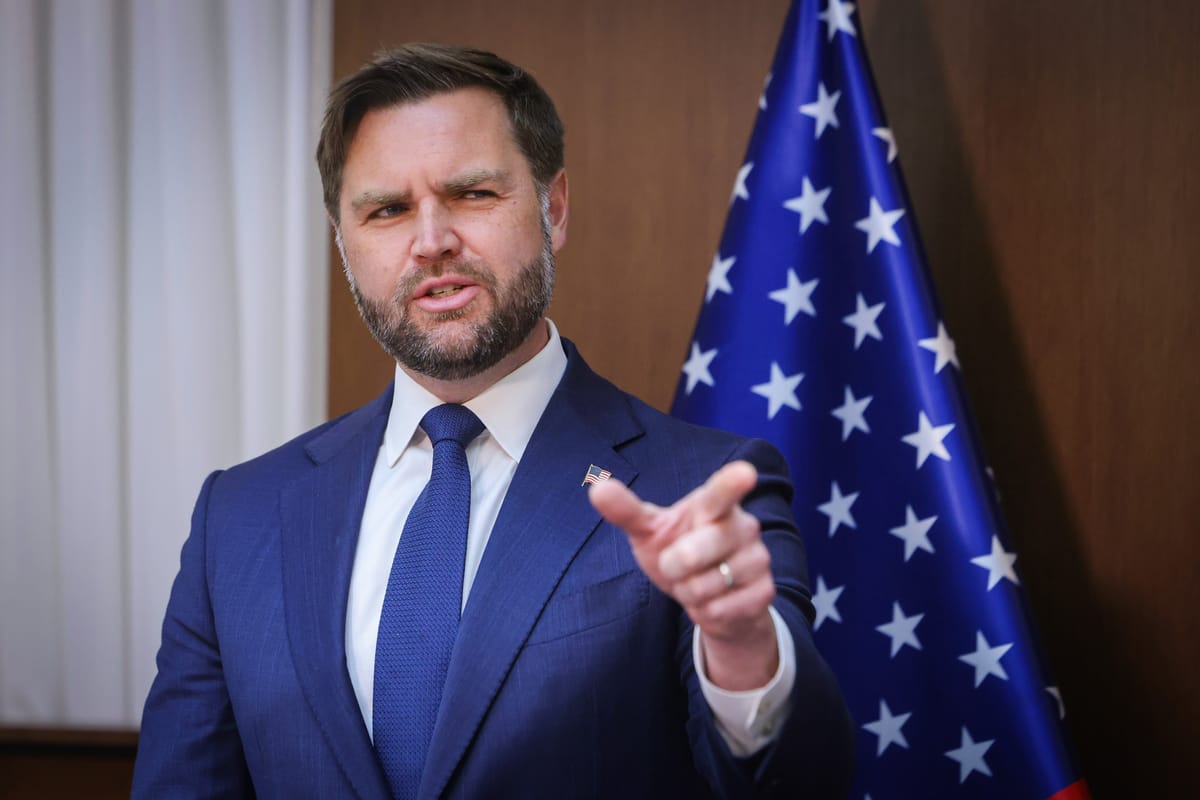
US Vice President JD Vance, who led the American delegation, said Monday that “a lot of progress” had been made during the discussions, but stressed that the next move depends on Tehran.
“The ball is in the Iranian court,” Vance said in an interview, adding that Iran’s negotiating team had been unable to finalize a deal without returning to secure approval from senior leadership.
Vance reiterated Washington’s key demands, including the removal of enriched uranium from Iran and a firm commitment not to develop nuclear weapons. He also linked progress in talks to the reopening of the Strait of Hormuz, warning that the US approach could shift if Iran does not act.
Despite the collapse of the initial round, mediators are working to bring both sides back to the table. Officials in Pakistan, along with counterparts in Egypt and Turkey, are reportedly coordinating efforts to arrange a second round of talks, potentially again in Islamabad or at an alternative venue such as Geneva.
According to officials familiar with the negotiations, some flexibility was shown on both sides. The US is said to have proposed a long-term freeze on uranium enrichment, while Iran indicated willingness to accept a shorter-term pause. Disagreements remain over key issues, including the handling of enriched material and the duration of any limits.
US President Donald Trump said Monday that Iranian officials had signaled interest in continuing negotiations, describing the possibility of a broader agreement as still viable.
The diplomatic push comes alongside escalating economic and military pressure. The US has imposed a naval blockade on Iranian ports, while Iran continues to exert control over access to the Strait of Hormuz, a critical route for global energy shipments.
Despite the tensions, contacts between the sides are ongoing, and officials indicated that the recent talks are part of a continuing process rather than a one-off effort.