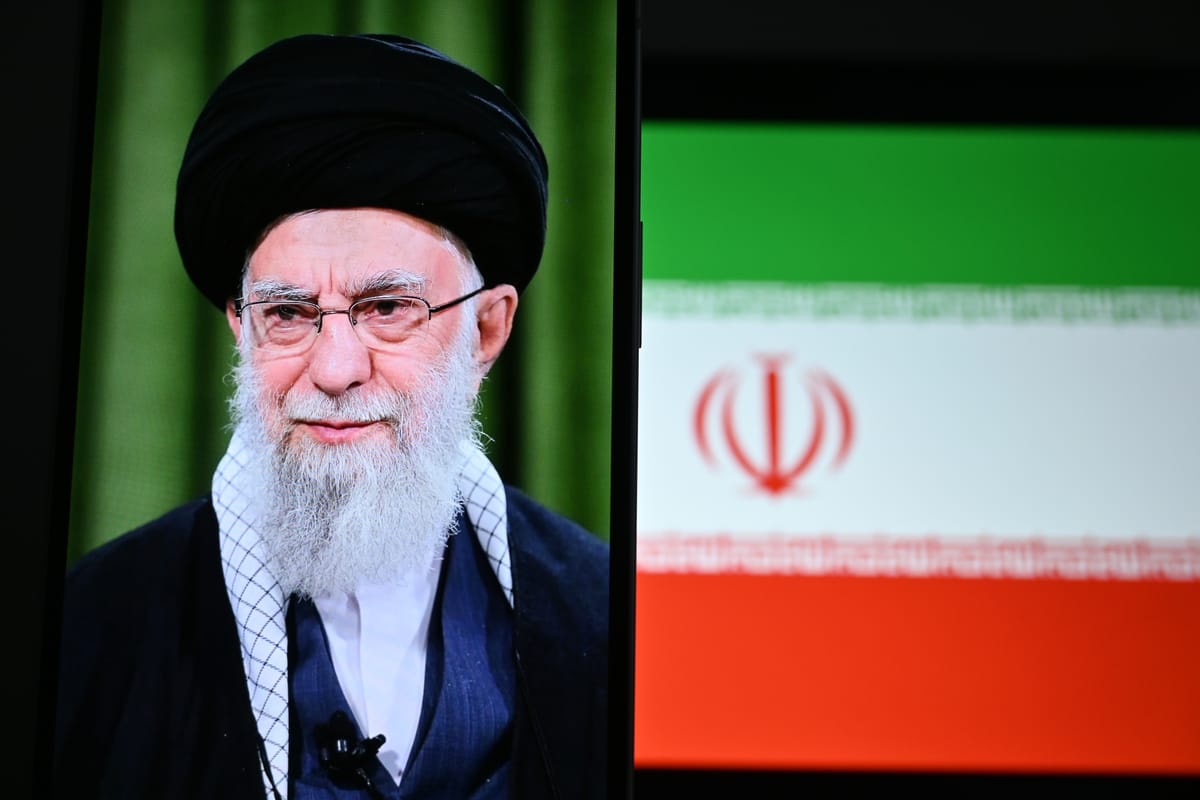
The United States has agreed to Iran's request to move upcoming nuclear negotiations from Turkey to Oman, with talks now expected to take place in the Gulf nation on Friday, February 6, 2026.
The talks were originally planned for Istanbul, Turkey, but Iran requested a shift to Oman, viewing it as a more neutral location often used for back-channel diplomacy between the US and Iran.
President Donald Trump's administration approved this request, marking a minor concession amid ongoing tensions.
Iran has pushed for the discussions to be strictly bilateral, focusing solely on nuclear issues, and excluding regional observers or participants from Arab and Muslim countries such as Saudi Arabia, Qatar, Egypt, Oman, Pakistan, and the UAE, who were initially invited.
Negotiations on this aspect are still ongoing, and direct talks, defined as both sides in the same room, are not currently on the agenda.
The US has indicated readiness to proceed despite these demands.
The talks are expected to involve US Special Envoy for the Middle East Steve Witkoff and Iran's Foreign Minister Abbas Araghchi. There are reports that Jared Kushner, Trump's son-in-law, may also attend if the meeting proceeds.
Iranian President Masoud Pezeshkian has instructed his foreign minister to pursue "fair and equitable negotiations" free from threats.
This would mark the first direct negotiations between the US and Iran since US airstrikes on three Iranian nuclear sites in June 2025, which halted previous talks. The discussions aim to address Iran's nuclear program, with the US demanding concessions on ballistic missiles and support for proxy militias, while Iran seeks relief from sanctions amid economic strain and ongoing domestic protests.
The priority is to prevent further conflict, especially following recent naval incidents, including Iranian gunboats approaching a US-flagged tanker and the US downing an Iranian drone near the USS Abraham Lincoln.
Turkey had been mediating and working to host the talks, with regional powers like Saudi Arabia, Qatar, Egypt, Oman, Pakistan, and the UAE involved in efforts to bridge gaps. However, Iran's demands introduced uncertainty, with alternatives like Doha also considered.
Iran's push for changes risks derailing the process, especially as Trump had considered walking away from talks following yesterday's naval confrontations. Analysts suggest these demands may reflect internal pressures from Iranian hardliners aiming to test US resolve without provoking major strikes.
The agreement comes as the US continues a military buildup in the Middle East, including carrier strike groups and additional assets, to deter Iran amid threats from proxies like the Houthis. Trump has signaled openness to a deal but maintains leverage through past strikes and sanctions.
No official comments from the White House, Iranian government, or Omani authorities have been issued confirming final details.