
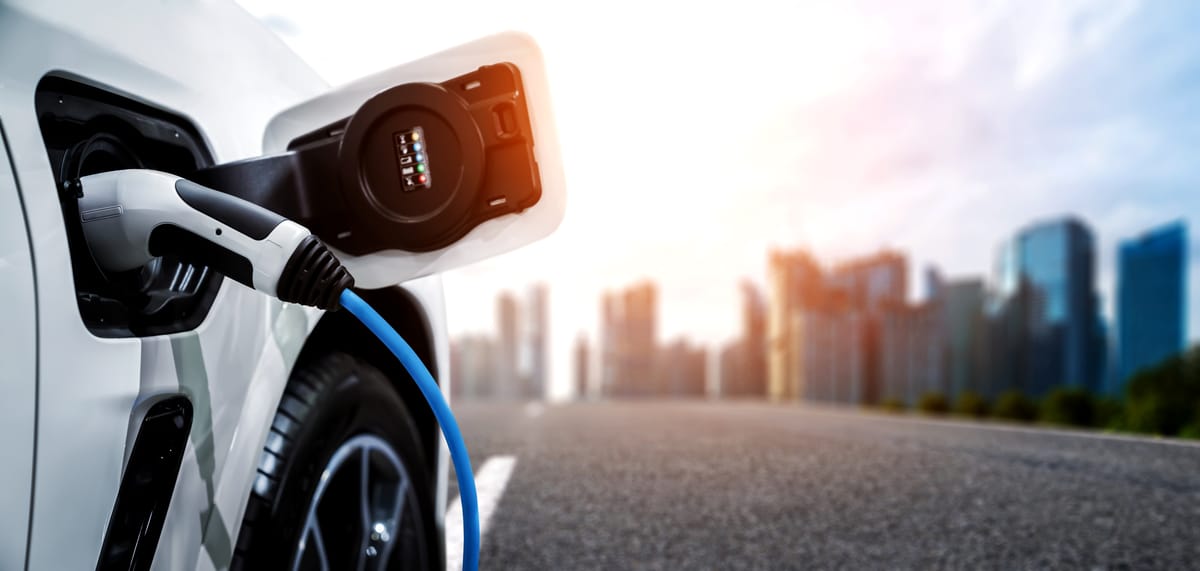
Electrical Vehicles are considered a cleaner alternative to gasoline and diesel vehicles. But new research from UCLA reveals a hidden downside: certain fast-charging stations emit higher-than-expected levels of harmful air particles.
What the Researchers Found
A team from UCLA’s Fielding School of Public Health measured air quality at 50 fast-charging stations, focusing on PM2.5 particles, tiny pollutants that are about 30 times smaller than a human hair and known to cause health risks.
It found these high level across the board:
- Urban background levels: 7–8 micrograms per cubic meter
- Busy highways and intersections: 10–11
- Gas stations: ~12
- Fast-charging hubs: ~15, with peaks reaching an alarming 200
Why Does It Happen?
The researchers traced the problem to the powerful fans inside charging cabinets, which prevent overheating during high-power charging. These fans stir up dust and fine particles, creating localized pollution “hot spots” around the chargers.
Dr. Michael Jerrett, one of the study authors, explained: “These particles are so small they can penetrate deep into the lungs and even enter the bloodstream, potentially causing serious conditions like heart or lung disease. People with pre-existing conditions are especially at risk.”
Recommendations
- While charging, stay inside the vehicle with the climate control running.
- Alternatively, move away from the chargers and wait at a safe distance.
- Importantly: Despite this finding, EVs still pollute far less than vehicles with combustion engines overall.