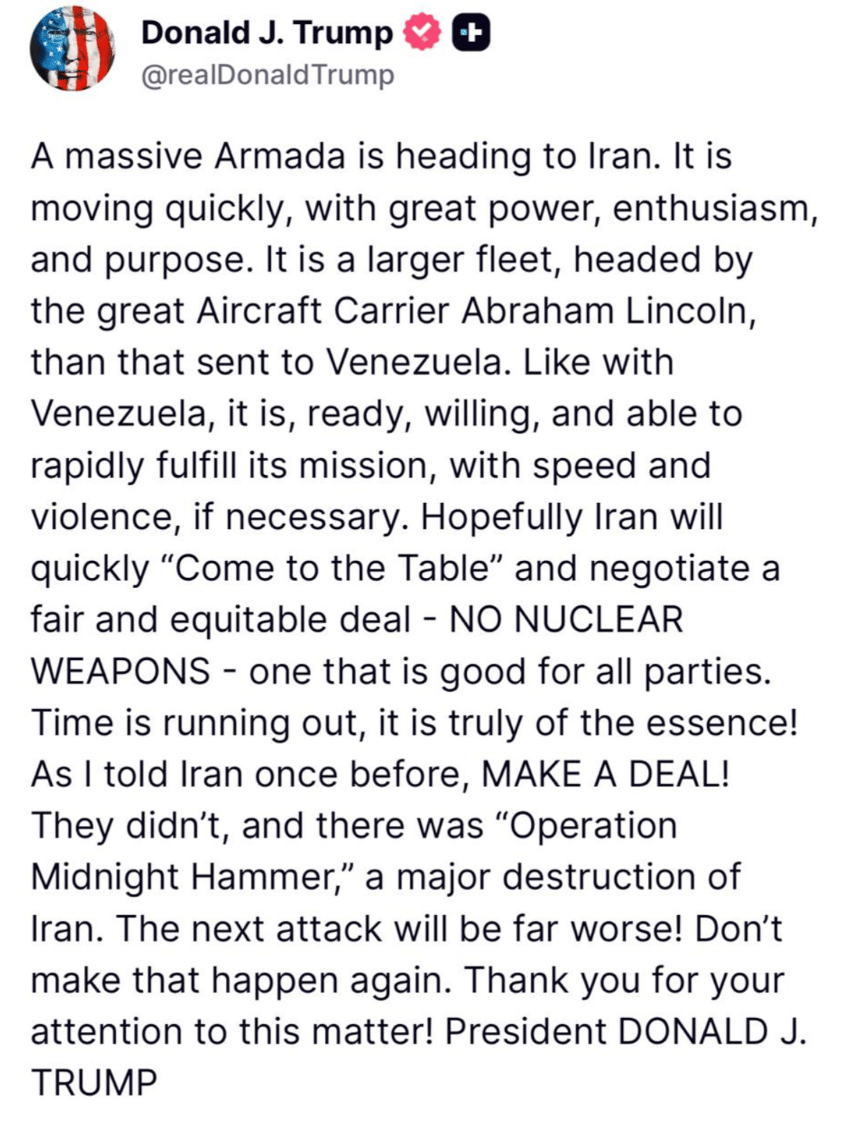
The president's statements come amid reports of backchannel communications between the U.S. and Iran, with Trump claiming that Iranian officials have reached out multiple times proposing talks.
Sources indicate that Steve Witkoff, a close associate of Trump, may be involved in facilitating these contacts to avert a full-scale military confrontation.
Despite the overtures, Trump has maintained a hardline stance, reiterating that the U.S. military is prepared for "very strong options" if Iran crosses certain red lines.
According to reports from Axios and other outlets, the U.S. has presented Iran with a list of stringent demands as preconditions for any negotiations.
These include:
- The removal of all enriched uranium from Iranian territory. Uncertainty surrounds the status of Iran's near-weapons-grade uranium stockpile following recent U.S. strikes, with questions about whether it survived and its current location.
- Limitations on Iran's ballistic missile inventory and capabilities, potentially capping ranges at 300-500 km.
- A complete ban on uranium enrichment activities within Iran, a demand Tehran has historically rejected outright.
- An end to Iran's support for proxy groups across the Middle East, including the Houthis in Yemen, Hezbollah in Lebanon, and Shiite militias in Iraq.
Iranian officials have denied initiating contact for talks, with Foreign Minister Abbas Araghchi stating that Tehran has not sought negotiations with the U.S., contradicting Trump's assertions.
Iranian President Masoud Pezeshkian has warned that U.S. threats are destabilizing the region, urging allies like Saudi Arabia to recognize the risks.
The backdrop to these developments is ongoing unrest in Iran, where protests against the regime have resulted in tens of thousands of deaths amid a government crackdown.
Trump has previously threatened direct U.S. intervention to support protesters, though he has since moderated his language, claiming the killings have subsided.
U.S. officials have briefed Trump on military options, with the Pentagon presenting tailored plans to achieve strategic objectives in Iran.
Analysts suggest Trump's strategy blends maximum pressure through military posturing with diplomatic openings, aiming to force Iran into concessions. However, the likelihood of a breakthrough remains low, given past failed talks and Iran's resistance to the demands.
There are concerns that prolonged negotiations could allow Iran to buy time, potentially undermining the momentum for any U.S. or Israeli action.
Prominent voices, including Senator Lindsey Graham, have urged Trump to proceed with strikes, calling for a "right decision" to address the threat.
As U.S. warships approach and aerial drills intensify in the region, the Middle East braces for possible further escalation.