Riots in Israel: Mob Storms Home of Supreme Court Justice, Shattering Windows and Triggering Political Firestorm
Dozens of ultra-Orthodox protesters gathered outside the home of Israel’s deputy Supreme Court president, causing damage and prompting condemnations from across the political spectrum.
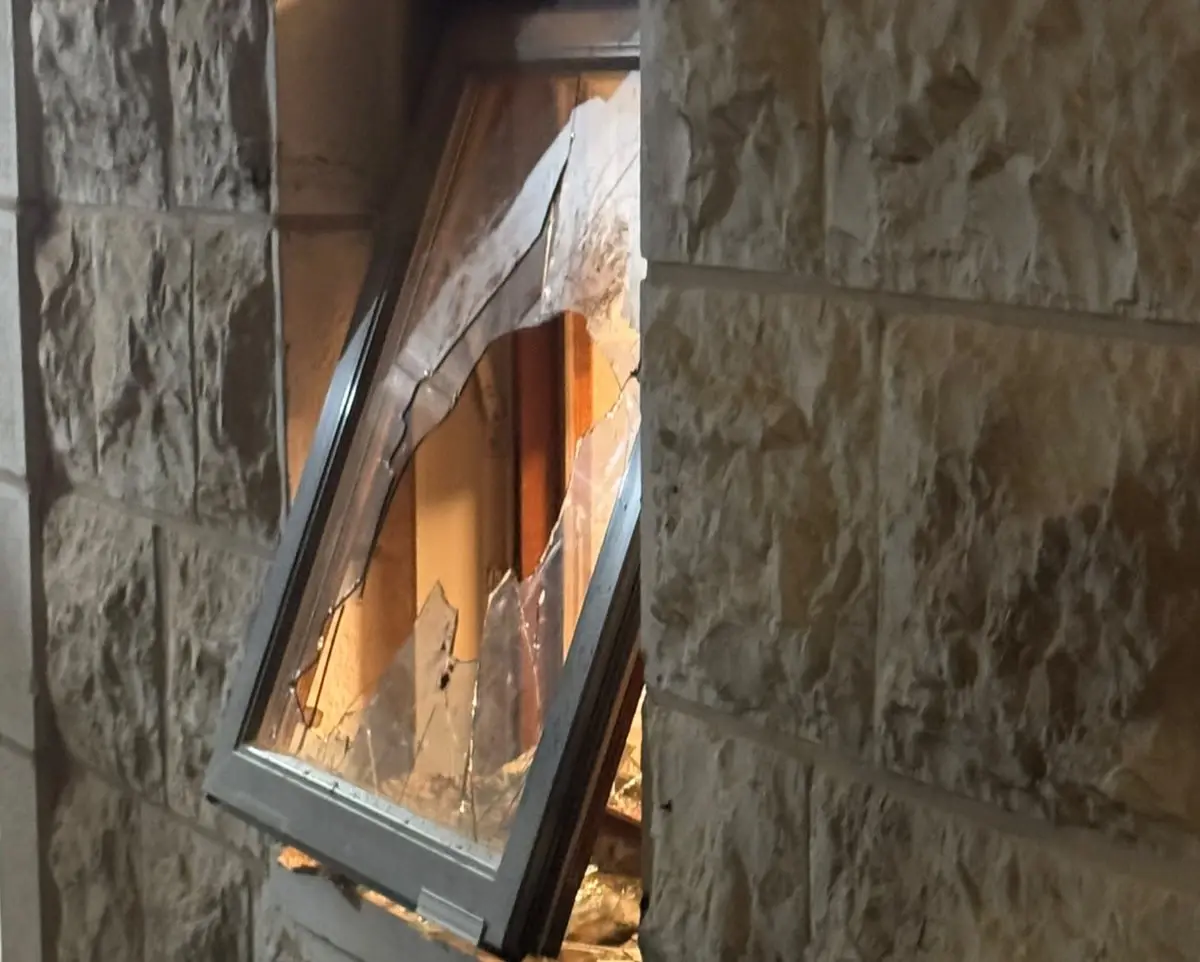
A violent protest outside the home of Supreme Court Justice Noam Sohlberg in Alon Shvut erupted into a national political storm Wednesday evening, after dozens of ultra-Orthodox demonstrators gathered near the justice’s residence, attempted to enter the property, and caused significant damage.
According to reports from the scene, protesters shouted outside Sohlberg’s home and tried to break into the property. Images and videos circulated online appeared to show damage to the home and to the justice’s vehicle, including a shattered car window reportedly caused by a heavy object thrown by rioters.
Police forces arrived at the scene and detained dozens of suspects. Israel Police later said that 65 rioters involved in the violent disturbance were taken for questioning and would be brought before a court for remand proceedings.
The incident drew sharp condemnation from senior officials across the government.
Prime Minister Benjamin Netanyahu denounced the attack, saying he “strongly condemns the violent riot against Justice Noam Sohlberg” and called on law enforcement authorities to pursue the rioters “to the full extent of the law.”
Justice Minister Yariv Levin also condemned the violence, stating that he stood with Sohlberg and his family and calling on the public to avoid any form of violence. Defense Minister Israel Katz said the rioters “have no connection to Torah or the values of the people of Israel,” describing them as a “small group of extremist criminals” acting with violence and bullying.
The Judiciary issued an unusually forceful statement, declaring that attempts to pressure, intimidate, or deter judges would not affect their work. Israel’s judges, the statement said, would continue to act professionally, independently, and without fear.
The violence also placed ultra-Orthodox political parties under pressure. Shas and Degel HaTorah eventually issued a joint condemnation of the attack, but their statement first accused the Supreme Court of an ongoing campaign against Torah students.
The parties said they were “pained and shocked” by what they described as continued persecution of yeshiva students, while also condemning the violence at Sohlberg’s home as contrary to the way of Torah. The Gush Etzion Regional Council strongly condemned the riot, calling an attack on a person’s home a “despicable crime” and urging police to bring the perpetrators to justice.
The Movement for Quality Government, which has led petitions demanding equal military-service obligations, called on the police commissioner to act immediately and arrest the rioters, warning that a state governed by law cannot remain silent in the face of such violence. Police Commissioner Danny Levy also condemned the attack, saying the right to protest must not become violence, destruction of property, or harm against public officials. Opposition figures joined the criticism. Blue and White chairman Benny Gantz called the incident “dangerous” and said it crossed every red line, warning that Israel cannot allow extremists to dictate the national agenda. The National Judges’ Representation described the attack as a direct assault on Israel’s judiciary and the rule of law, stressing that judges would continue to perform their duties without fear.
The attack came amid a broader wave of ultra-Orthodox protests over the arrest of yeshiva students classified as draft dodgers. In recent days, protesters blocked major roads, entered railway tracks near Ganot, disrupted train service, and demonstrated near the home of senior police officials.
Wednesday night’s riot, however, marked a significant escalation: not merely a roadblock or public protest, but a direct attack on the home of a sitting Supreme Court justice.
For Israel’s political system, the message is unmistakable. The battle over the draft, the judiciary, and the authority of the state is no longer confined to Knesset debates or courtroom petitions. It has now reached the private home of one of Israel’s most senior judges.